
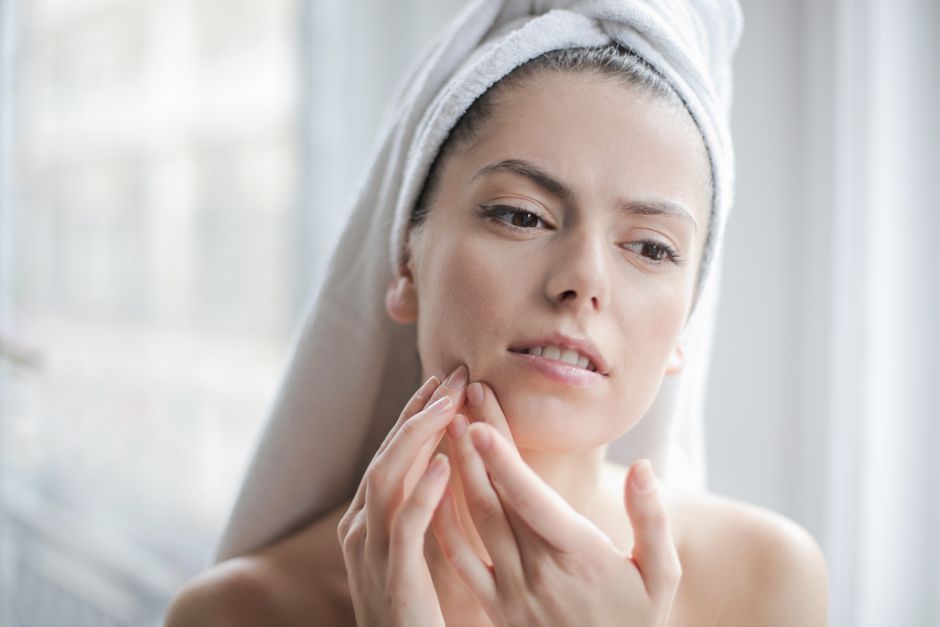
You wake up with a deep, painful bump on your chin. Again. It’s the same spot as last month, and you already know it will take two weeks to fade and leave a dark mark. This is hormonal acne, and it does not respond to the same spot treatments that clear surface breakouts.
This guide gives you a 4-week protocol. Every step names a specific product, the timing, and the mistake that makes things worse. No vague advice. No 10-step routines. Just the essentials that actually move the needle for jawline and chin breakouts.
Week 1: Stop the Cycle Before Adding Actives
Most people attack a hormonal cyst with a harsh cleanser and three new actives on day one. That backfires. The skin barrier breaks, inflammation rises, and the breakout lasts longer. Week one is about resetting the baseline.
What to Do on Day 1
Switch to a fragrance-free cleanser with a low pH. The La Roche-Posay Toleriane Hydrating Gentle Cleanser ($16.99, 13.5 fl oz) works because it removes oil without stripping ceramides. Wash once at night with lukewarm water. In the morning, rinse with water only if your skin feels tight.
Stop using any physical scrub, toner with alcohol, or essential oil product. These trigger more oil production. The skin compensates for stripping by pumping out more sebum. That is the exact opposite of what you want.
The 72-Hour Inflammation Reset
For the first three days, apply a thin layer of La Roche-Posay Cicaplast Baume B5 ($16.99, 1.35 fl oz) on the inflamed areas at night. It contains panthenol and madecassoside. It does not treat the acne directly, but it calms the redness so the active treatments in week two can penetrate better.
Take a photo of your breakout on day 1. Same lighting, same angle. You will need this at the end of week 4 because hormonal acne improvement is slow, and you will forget how bad it was.
What to Skip This Week
No benzoyl peroxide. No salicylic acid. No new vitamin C. Your job right now is to reduce inflammation, not to nuke the pimple. If you have a whitehead that is ready to pop, use a Mighty Patch Original ($12.99 for 36 patches) instead of squeezing. It pulls out fluid overnight without breaking the skin.
Week 2: Introduce the Two Products That Actually Work

Now you add actives. But only two. Hormonal acne responds best to a retinoid and a short-contact benzoyl peroxide treatment. These target the clogged pore and the bacteria that inflame it.
Step 1: Adapalene at Night
Differin Adapalene Gel 0.1% ($15.49, 15g tube) is the single most important product for hormonal acne. It was prescription-only for years and now sits on drugstore shelves. It speeds up cell turnover so dead skin cells cannot clog the pore in the first place. That prevents the deep cyst from forming weeks later.
Start with a pea-sized amount for your entire face, applied every third night. Yes, every third night. Your skin needs to build tolerance. Apply it after moisturizer to buffer the irritation. Expect mild dryness or flaking around day 10. That is normal and temporary.
Step 2: Benzoyl Peroxide as Short Contact
On the mornings when you do not use adapalene, apply Neutrogena Clear Pore Cleanser/Mask with 3.5% Benzoyl Peroxide ($8.99, 5 oz) to the jawline and chin only. Leave it on for 2 minutes, then rinse. This kills C. acnes bacteria without the all-day irritation of a leave-on cream.
Do not use benzoyl peroxide and adapalene at the same time of day. Benzoyl peroxide can deactivate some retinoids. Separating them by 12 hours works fine.
The Moisturizer That Won’t Break You Out
Use Vanicream Daily Facial Moisturizer ($13.97, 3 fl oz) every morning and night. It has hyaluronic acid and ceramides, zero fragrance, zero essential oils. If your skin feels tight after cleansing, you are using too much cleanser or water that is too hot.
Week 3: Fix the Root Causes That Topicals Cannot Reach
Topicals do about 70% of the work. The rest comes from what you eat, how you sleep, and how often you touch your face. This week is about locking in those habits.
Blood Sugar and Sebum Production
High-glycemic foods spike insulin, which increases androgen activity, which increases oil production. You do not need to go keto. You need to swap the worst offenders. Replace white rice with quinoa. Replace the afternoon sugary latte with black coffee or unsweetened matcha. Replace the nightly bowl of cereal with Greek yogurt and a handful of walnuts.
One specific change: eat protein before carbs at every meal. Chicken before rice. Eggs before toast. This slows the glucose spike without cutting out entire food groups.
Sleep and Cortisol
Cortisol rises when you sleep fewer than 7 hours. Cortisol tells your skin to produce more oil. It also slows wound healing, so existing breakouts take longer to fade. Set a consistent bedtime. If you cannot get 7 hours, a 20-minute nap before 3 PM helps lower cortisol without wrecking your night sleep.
Hands Off Protocol
Every time you rest your chin on your hand, you transfer bacteria and pressure. Pressure alone can trigger a breakout called acne mechanica. Put a reminder on your phone lock screen that says “hands off.” It sounds silly. It works.
Week 4: The Daily Schedule and What to Expect
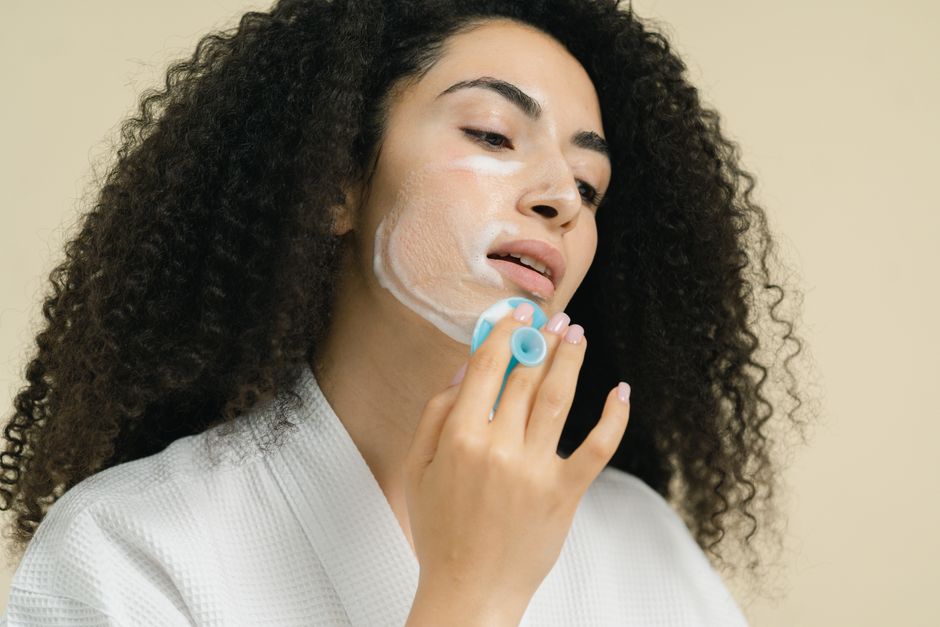
By now the routine should be automatic. Here is the exact daily breakdown.
| Time of Day | Product | Amount | Notes |
|---|---|---|---|
| Morning | Water rinse or Vanicream cleanser | Nickel-sized if cleansing | Lukewarm water only |
| Morning | Vanicream Daily Facial Moisturizer | Dime-sized | Apply to damp skin |
| Morning | SPF 30+ if going outside | Two finger lengths | Adapalene makes skin sun-sensitive |
| Night | La Roche-Posay Toleriane Cleanser | Nickel-sized | Massage 60 seconds |
| Night | Vanicream Moisturizer | Dime-sized | On damp skin |
| Night (Mon/Wed/Fri) | Differin Adapalene | Pea-sized for whole face | After moisturizer dries |
| Night (Tue/Thu/Sat) | Neutrogena BP Mask | Thin layer on jawline | Leave 2 min, rinse |
| Night (Sun) | No actives | Recovery night | Moisturizer only |
What Improvement Looks Like at Day 28
Existing cysts should be flat or fading. New breakouts should be smaller and heal faster. The deep, blind pimples that used to last two weeks should now surface and clear in 4-5 days. You may still get one or two small bumps around your period. That is normal. The goal is reduction, not perfection.
When to Escalate
If you see zero improvement after 4 weeks, or if your acne is leaving scars, see a dermatologist. Prescription options like spironolactone (oral, blocks androgen receptors) or Winlevi (topical, FDA-approved for hormonal acne) work when topicals fail. Do not waste six months on over-the-counter products if the 4-week protocol does nothing.
Mistakes That Keep Hormonal Acne Coming Back
These are the failure modes I see most often.
- Using adapalene every night in week one. This burns the skin barrier and forces you to stop treatment for two weeks to recover. Slow is faster.
- Spot treating only the visible pimple. Hormonal acne forms under the skin for weeks before you see it. You must treat the entire jawline and chin area, not just the current bump.
- Skipping moisturizer because skin is oily. Dehydrated skin produces more oil. Always moisturize after cleansing.
- Picking at the cyst. This turns a 5-day breakout into a 3-week scar. Use a hydrocolloid patch instead.
- Changing products every week. Adapalene takes 8-12 weeks for full results. If you switch to a new retinoid at week 3 because you are not glowing yet, you reset the clock.
You started this guide with a painful bump on your chin and no clear plan. Now you have a 4-week schedule with named products, exact timing, and a clear escalation path if it does not work. Start tonight with the gentle cleanser and the photo. In 28 days, that same spot on your chin will either be flat, fading, or you will have the data to take to a dermatologist and get the prescription that actually fixes it.