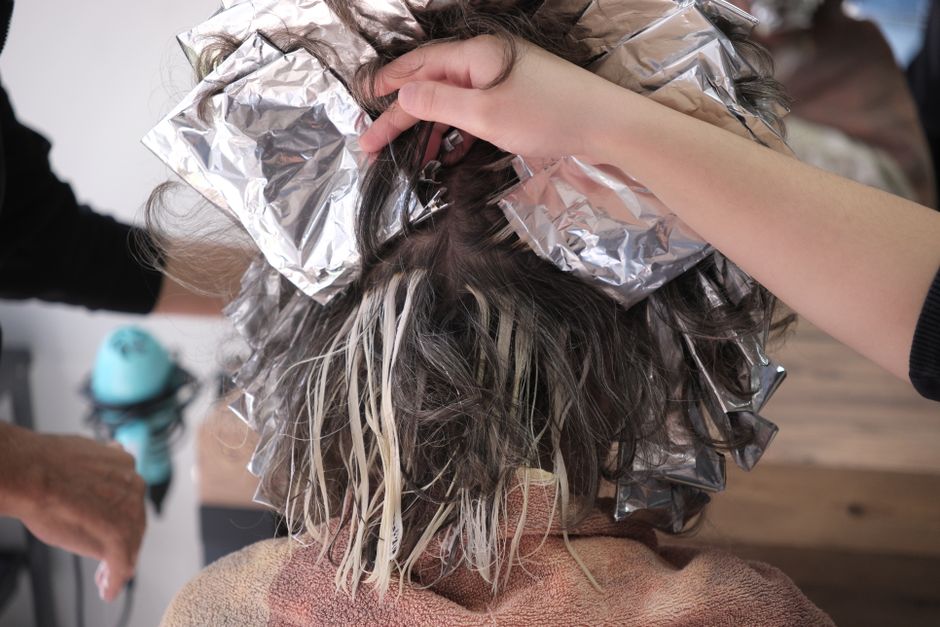
You fried your hair with bleach. Or heat. Or both. Now you’re staring at two bottles that both promise to fix it. Olaplex No. 3 and K18 Leave-In Molecular Repair Hair Mask. Which one actually works?
The answer isn’t “both are great.” They do completely different things. One rebuilds broken disulfide bonds inside the hair shaft. The other reconnects broken polypeptide chains on the surface and cortex. If you pick the wrong one for your damage type, you waste $30-$75 and wonder why your hair still snaps.
Here’s the breakdown without the marketing fluff.
The Actual Chemistry: Why These Aren’t the Same Product
Olaplex No. 3 uses Bis-Aminopropyl Diglycol Dimaleate. That’s the patented molecule. It finds broken disulfide bonds—the sulfur-to-sulfur links that give hair its strength and shape—and reconnects them. Bleach and permanent dye destroy these bonds. Olaplex repairs them from the inside out.
K18 uses a completely different mechanism. The active ingredient is a peptide sequence that mimics the keratin chain in human hair. When you apply it, the peptides travel into the cortex and link broken polypeptide chains. It’s not rebuilding sulfur bonds. It’s patching the protein backbone itself.
Think of it this way: Olaplex is the electrician rewiring the house. K18 is the contractor replacing the drywall. Both matter. But if your wiring is fried, drywall won’t fix the lights.
The key difference in application: Olaplex No. 3 requires water to activate. You apply it to damp hair, let it sit 10-45 minutes, then shampoo and condition. K18 goes on towel-dried hair after shampooing. No conditioner after. Just leave it in for 4 minutes and go.
Why the 4-minute rule for K18? The peptide needs time to enter the hair shaft before you add water or product. If you rinse too early or apply conditioner on top, you dilute the peptide concentration and block absorption. That’s a failure mode most people hit.
Which Damage Type Are You Actually Dealing With?
This is where most reviews get lazy. They say “damaged hair” like it’s one thing. It’s not.
Bleach damage = disulfide bonds destroyed. Hair feels gummy when wet, stretches before snapping, loses curl pattern. This is Olaplex territory. No. 3 specifically targets this.
Heat damage = protein denaturation. The keratin structure unravels. Hair feels rough, won’t hold style, looks dull even when clean. K18 handles this better because it’s replacing the protein structure, not just the bonds.
Mechanical damage = brushing, tight elastics, rough towel drying. Cuticle lifting, split ends, breakage at the crown. Both help, but K18’s leave-in format gives more surface-level protection while Olaplex strengthens from within.
Chemical damage from relaxers or perms = both disulfide and protein damage. You need both products, alternated.
Here’s the real talk: if you’ve bleached your hair more than twice in the last year, Olaplex No. 3 is the safer first purchase. The disulfide bond breakdown is your primary problem. K18 won’t fully address it because it’s not designed to.
How to Actually Use Both Without Wasting Product
Most people use these wrong. Not because they’re dumb. Because the instructions are buried in fine print and influencers give bad advice.
Olaplex No. 3 Correct Usage
Apply to damp, towel-dried hair. Not soaking wet—the water dilutes the active ingredient. Not dry—the product can’t penetrate without moisture. Work it through from mid-lengths to ends, then clip hair up. Wait minimum 10 minutes. For severely damaged hair, leave it 45 minutes under a shower cap. Then shampoo and condition as normal.
Frequency: once a week for maintenance. Twice a week for active bleach damage. Using it daily does nothing extra—the bond repair capacity maxes out.
K18 Correct Usage
Shampoo first. Skip conditioner entirely. Towel dry until hair is damp but not dripping. Apply 1-3 pumps depending on length (1 pump for short hair, 2 for shoulder length, 3 for long thick hair). Work through from ends up. Wait exactly 4 minutes. Do not rinse. Style as usual.
The biggest mistake: applying K18 to wet hair. Water blocks the peptide from entering the shaft. Another mistake: using conditioner after. It coats the hair and prevents the K18 from binding.
Frequency: 4-6 washes in a row initially, then every 3-4 washes for maintenance. K18 has a cumulative effect—the peptides build up in the hair over consecutive uses.
Direct Comparison: What $30 vs $75 Actually Gets You

| Factor | Olaplex No. 3 | K18 Leave-In Mask |
|---|---|---|
| Price (full size) | $30 for 3.3 oz | $75 for 1.7 oz |
| Active mechanism | Disulfide bond repair | Polypeptide chain reconnection |
| Application time | 10-45 minutes, then rinse | 4 minutes, leave in |
| Best for | Bleach damage, color-treated hair, gummy wet hair | Heat damage, protein loss, rough texture |
| Washes per bottle | 8-10 uses | 15-20 uses |
| Need conditioner after? | Yes | No |
K18 costs more per ounce but you use less per application. The cost per use evens out to roughly $3-$4 for both products. The real difference is time: K18 is faster if you’re in a rush. Olaplex requires a longer wait but costs less upfront.
When to Skip Both and What to Use Instead
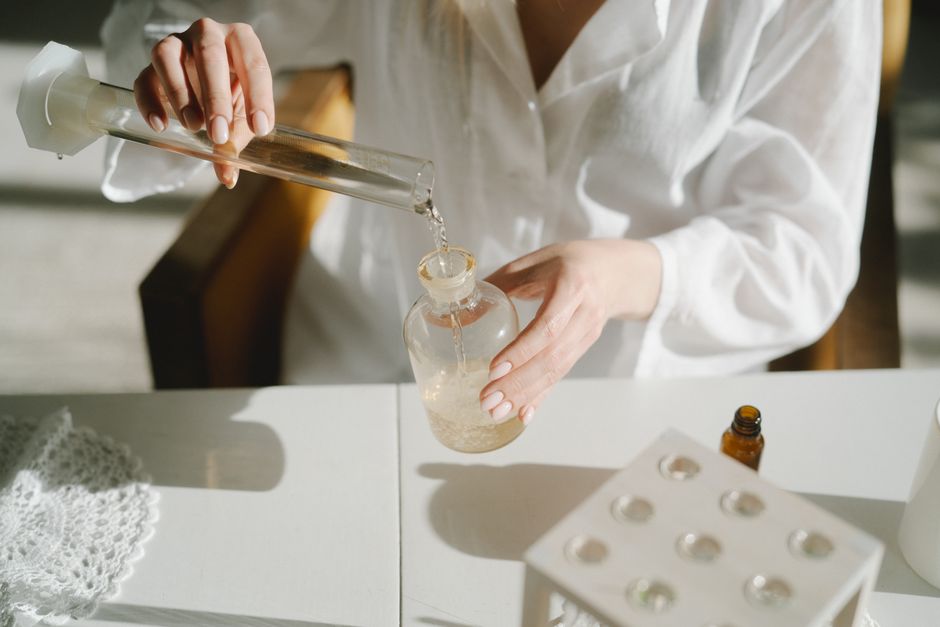
If your hair is not chemically processed and you’re just dealing with dryness or frizz, neither product is your answer. Bond repair treatments address structural damage. Dryness is a moisture problem. Frizz is a cuticle problem. You need a hydrating mask or a smoothing treatment, not bond repair.
Try the Amika Soulfood Nourishing Mask ($28) for moisture or the Briogeo Don’t Despair, Repair Deep Conditioning Mask ($39) for a blend of protein and moisture. These address surface-level issues without the $75 price tag.
If you have fine, low-porosity hair that gets weighed down easily, K18’s leave-in format might make your hair limp. Olaplex No. 3 rinses out, so it’s safer for fine hair.
If you’re allergic to fragrance or have a sensitive scalp, both products contain fragrance. K18’s formula is lighter on scent but still present. A fragrance-free alternative is the Curlsmith Bond Curl Rehab Salve ($29), which uses a similar bond-building technology without added fragrance.
The bottom line: Olaplex No. 3 is the pick for bleach and color damage. K18 is the pick for heat and protein damage. If you have both—and most people who bleach their hair also heat style—use Olaplex weekly and K18 every 4-6 washes.