
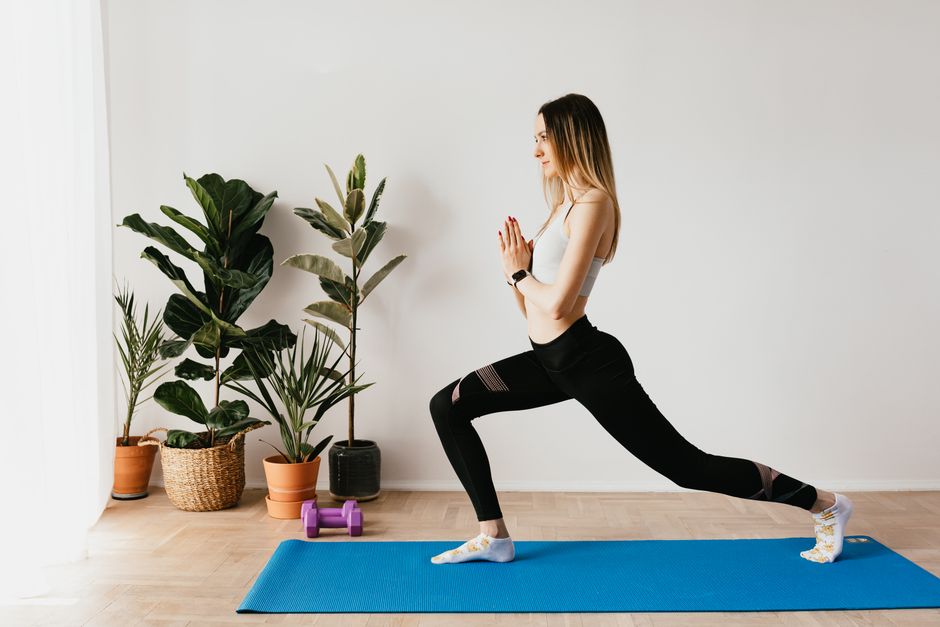
The best gym skincare routine is short: start with clean, light layers, keep sweat from sitting on your skin, and wash gently after training. Heavy creams, harsh scrubs, and repeated cleansing usually create more redness and breakouts than the workout itself.
Why indoor workouts change your skin
Indoor exercise creates a small, warm environment around your face. Heat widens blood vessels, sweat adds water and salt to the surface, and gym equipment creates friction. Air conditioning then dries the skin as soon as you leave the workout area. That repeated swing between heat and dryness can leave skin shiny, tight, red, or rough.
Sweat is not the same as dirt
Fresh sweat is mostly water, salt, and small amounts of other compounds. It does not automatically cause acne. Problems start when sweat mixes with sunscreen, makeup, hair products, oil, and bacteria on a towel or machine handle. Rubbing that mixture into the skin pushes it into pores and can irritate the barrier.
Why the post-workout glow can turn into irritation
A temporary flush comes from increased blood flow. That is a healthy exercise response. Burning, persistent redness, itching, or clusters of small bumps signal a different problem. The skin may be reacting to friction, fragrance, over-cleansing, or a product that does not handle heat well. The useful goal is calm radiance, not a permanently glossy face.
My verdict is simple: treat indoor training as a heat-and-friction problem first. Once those two triggers are controlled, most people need fewer products, not more.
What to do before the gym

Before exercise, the winning routine is thin, fast-absorbing, and easy to remove. A ten-step routine gives sweat more ingredients to mix with and makes it harder to identify the cause of a reaction.
Use this three-step pre-workout routine
- Clean the surface. If your face feels clean, rinse with lukewarm water. If you wore makeup, a water-resistant sunscreen, or a rich cream, use a gentle cleanser and remove every visible layer.
- Add one light hydration layer. Choose a simple, fragrance-free moisturizer if your skin feels tight. Apply a thin amount to the cheeks and around the mouth, not a thick coat over the entire face.
- Protect exposed skin. Use broad-spectrum SPF 30 or higher if you will walk, cycle, drive, or sit near strong windows. Indoor training does not erase ultraviolet exposure during the journey to and from the gym.
Leave these products at home
Skip facial oils, thick sleeping masks, heavy foundation, and strong exfoliating acids before training. Heat can make stinging more likely, while friction can move makeup and oil into pores. If you need coverage, use the smallest amount possible and remove it soon after exercise.
The clear recommendation: go into a workout with clean skin, one light moisturizer if needed, and sunscreen when daylight exposure is part of the trip. That combination stays comfortable and gives you a clean starting point after training.
Which sunscreen survives an indoor workout?
Sunscreen choice matters most when the gym visit includes a commute, outdoor warm-up, rooftop exercise, or a seat beside large windows. No sunscreen makes a sweaty workout completely maintenance-free. The best option is the one that matches your sweat level and finish preference without encouraging you to rub your face.
Four formulas with different strengths
| Product | Key rating or feature | Best use | Main tradeoff |
|---|---|---|---|
| La Roche-Posay Anthelios UVMune 400 Invisible Fluid SPF50+ | SPF50+ with a very fluid texture | Commute, outdoor exposure, and high UVA concern | Can feel fluid or shiny on oily skin |
| EltaMD UV Clear Broad-Spectrum SPF46 | SPF46, lightweight face formula | Acne-prone or combination skin | May not feel rich enough for dry skin |
| Beauty of Joseon Relief Sun SPF50+ PA++++ | SPF50+ PA++++, moisturizing finish | Dry skin and low-sweat indoor sessions | Not the strongest choice for heavy sweating |
| Neutrogena Ultra Sheer Dry-Touch SPF50 | SPF50 with an 80-minute water-resistant claim on listed versions | Longer, sweat-heavy training | Can sting sensitive eyes or dry cheeks |
My clear sunscreen pick
For a workout that includes outdoor travel, La Roche-Posay Anthelios UVMune 400 Invisible Fluid SPF50+ is the strongest all-around choice because it combines very high protection with a thin layer. For acne-prone skin, EltaMD UV Clear SPF46 is the better face-first pick. For a dry-skinned person doing a short indoor session with little sweat, Beauty of Joseon Relief Sun SPF50+ PA++++ feels more comfortable. The choice is not about finding one perfect formula. It is about using enough protection without creating a layer you will immediately wipe away.
How to wash off sweat without wrecking the barrier
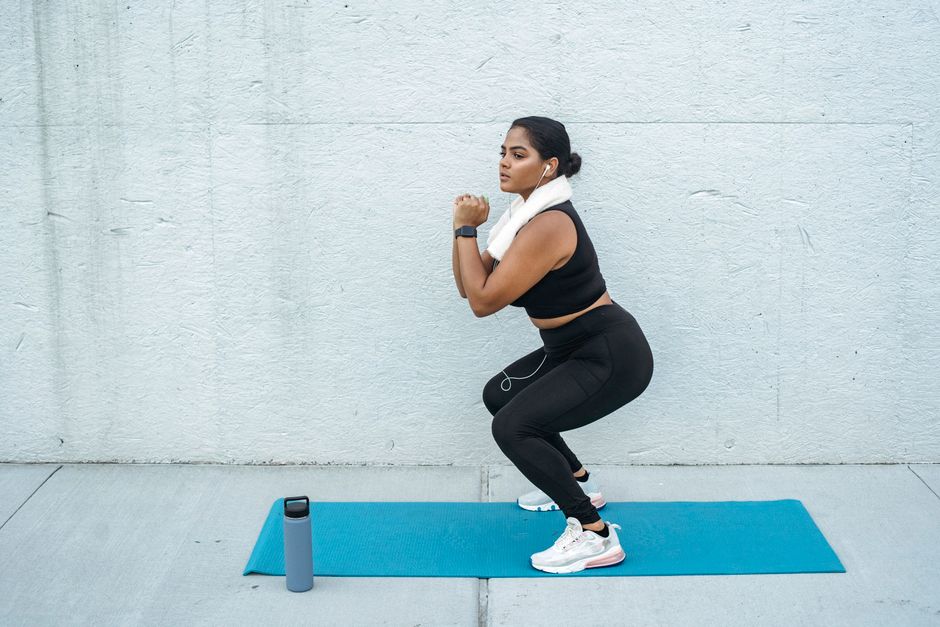
Post-workout cleansing should remove sweat, sunscreen, and grime without leaving your face squeaky. That tight feeling is not proof that a cleanser worked well. It often means the surface lost too much oil and water.
Cleanse once, then stop
- Wash with lukewarm water, not hot water.
- Massage cleanser over the face for about 30 seconds.
- Use a clean towel and pat instead of scrubbing.
- Apply moisturizer while the skin is still slightly damp.
CeraVe Foaming Facial Cleanser is the better choice for oily or combination skin that tolerates foaming formulas. Vanicream Gentle Facial Cleanser is the safer pick for easily irritated or dry skin. Both are more useful after exercise than a rough scrub or strong soap.
Use acne treatments on a schedule
Do not apply Paula’s Choice 2% BHA Liquid Exfoliant immediately after every sweaty session. Start two nights per week and increase only if the skin stays calm. The Ordinary Niacinamide 10% + Zinc 1% can suit oily skin, but the high niacinamide level may irritate some faces. For active breakouts, consistency beats stacking several acids, retinoids, and spot treatments on the same night.
My verdict: Vanicream is the safer default for a reactive barrier, while CeraVe Foaming wins for oilier skin. Choose one cleanser and give it two weeks before changing the whole routine.
The mistakes that cause post-gym breakouts
My strongest opinion: dirty gym accessories cause more avoidable trouble than sweat itself. A simple cleanup habit is more valuable than adding another active ingredient.
Five habits to change this week
- Using the same towel for face and body. Body oils, detergent residue, and bacteria move straight to the cheeks and forehead. Bring a small, clean face towel.
- Touching the face between sets. Handles, mats, phones, and locker doors collect residue. Keep hands away from the face unless you have washed them.
- Leaving a tight headband on too long. Sweat and pressure around the hairline can cause small bumps. Wash the band after every hard session.
- Scrubbing harder because the face feels dirty. Friction can worsen redness and spread irritation. Use a gentle cleanser and your fingertips.
- Applying several new products after one breakout. That makes the cause impossible to identify. Keep the routine stable for at least two weeks.
When not to buy another skincare product
Skip the shopping trip if the real problem is an unwashed helmet liner, a fragranced laundry product, or a towel used for several days. Replace the source first. If painful acne, swelling, or a rash keeps returning despite clean equipment and gentle care, a dermatologist is a better next step than another exfoliant.
The simplest routine that keeps the glow
The best routine for indoor training has three moments: before the workout, immediately after it, and at night. Each moment has a different job. Before exercise, reduce the amount of residue on the skin. After exercise, remove sweat and replace water. At night, use targeted treatments only when the barrier feels calm.
Before training: start light
Rinse or cleanse based on what is already on your face. Apply a thin moisturizer only where you feel dry. Add broad-spectrum sunscreen to exposed skin when your commute or workout area brings daylight exposure. Give the sunscreen time to settle before putting on a helmet, mask, or tight headband. The goal is a stable film, not a thick coating.
After training: reset the surface
Wash as soon as you can with lukewarm water. Clean the hairline, jaw, and sides of the nose because sweat and hair products often collect there. Pat dry with a fresh towel. Use moisturizer on damp skin. If your face feels hot, avoid acids, retinoids, and fragranced products that evening. A calm routine protects the barrier better than a dramatic rescue routine.
On rest days: treat the cause, not the shine
Use acne treatments only on a planned schedule. Do not exfoliate simply because you had a sweaty workout. If the skin is flaky, tight, or burning, pause active ingredients until it feels normal. If the skin is oily but comfortable, keep the cleanser mild and focus on clean pillowcases, washed accessories, and hands-off habits.
For most people, this three-part routine is the clear winner: light protection before exercise, gentle cleansing after it, and measured treatment at night. Indoor fitness will keep growing, and skincare will keep adapting toward formulas that handle heat, friction, and frequent washing without turning every workout into a skin problem.