

You leave for work on a warm, bright morning with comfortable skin. By mid-afternoon, the office AC has turned your cheeks tight, your forehead rough, and the skin around your nose flaky. A richer cream helps for an hour, then the dryness returns.
Verdict: longer days do not guarantee hydrated skin. More sun, indoor cooling, sweat, cleansing, and low room humidity can all increase water loss. The winning routine adds water, protects the barrier, and avoids products that strip the surface. Think like a consumer advocate: separate a useful claim from packaging language, compare the actual ingredients, and do not pay more for a promise the formula cannot support.
How should you build a routine for dry AC days?
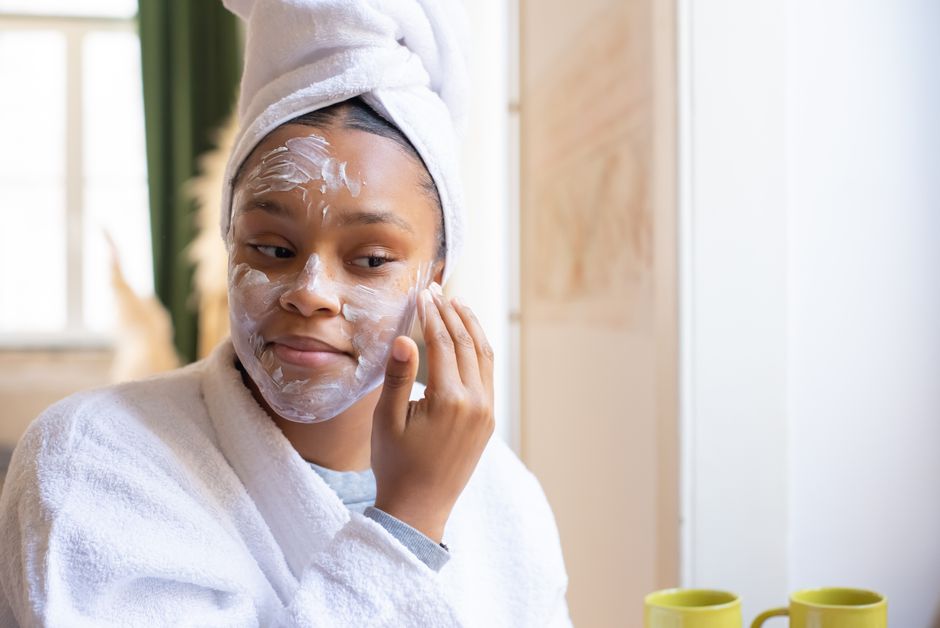
Best routine: use less friction, apply hydration to slightly damp skin, and seal it before the room dries you out. The order below is the most reliable starting point for normal, dry, and mildly sensitive skin.
Morning sequence
- Rinse with lukewarm water or use a gentle cleanser if you used a heavy nighttime product.
- Apply a humectant layer, such as glycerin, panthenol, or hyaluronic acid, while the skin is still slightly damp.
- Follow with a moisturizer containing ceramides, squalane, dimethicone, or fatty alcohols.
- Finish with broad-spectrum SPF 30 or higher. Add more sunscreen when outdoor exposure, sweat, or rubbing removes the film.
Midday adjustment
Do not scrub off every sign of shine. If the face feels tight, press a small amount of moisturizer onto dry areas instead of washing again. Blot sweat first, then apply a thin layer. A desk humidifier can help when the room is exceptionally dry, but keep it clean and do not treat it as a substitute for topical care.
Night sequence
Cleanse once, use a comfortable moisturizer, and add a thin occlusive layer only to the areas that still feel tight. The goal is a stable routine for two weeks. Changing three products every few days makes it hard to identify irritation or improvement.
Which hydrating products have the clearest value?
My pick for most shoppers is a plain barrier cream, not a complicated serum stack. The products below are recognizable options with useful formats and sizes. They are not affiliate recommendations, and prices vary by state, retailer, package size, and individual availability. Check the current label before buying.
| Product | Format and size | Best use | Tradeoff |
|---|---|---|---|
| Vanicream Daily Facial Moisturizer | Facial lotion, 89 ml | Sensitive or easily irritated skin | Less rich than a heavy cream |
| La Roche-Posay Toleriane Double Repair Face Moisturizer | Face moisturizer, 75 ml | Normal to dry skin needing barrier support | May feel too light for severe flaking |
| CeraVe Moisturizing Cream | Cream, 454 g tub | Face, neck, and dry body areas | Large tub is less portable |
| Hada Labo Gokujyun Premium Lotion | Hydrating lotion, 170 ml | Adding water-binding layers | Needs a cream over it in dry rooms |
| The Ordinary Hyaluronic Acid 2% + B5 | Serum, 30 ml | A simple humectant step | Can feel sticky or tight without a moisturizer |
For dry, sensitive skin, Vanicream Daily Facial Moisturizer is the safest first trial because the format is simple and the 89 ml size is easy to use consistently. For face and body, CeraVe Moisturizing Cream offers the strongest value per gram. Hada Labo and The Ordinary make more sense as water-binding layers, not as complete solutions for air-conditioned rooms.
Which mistakes keep dry skin from improving?
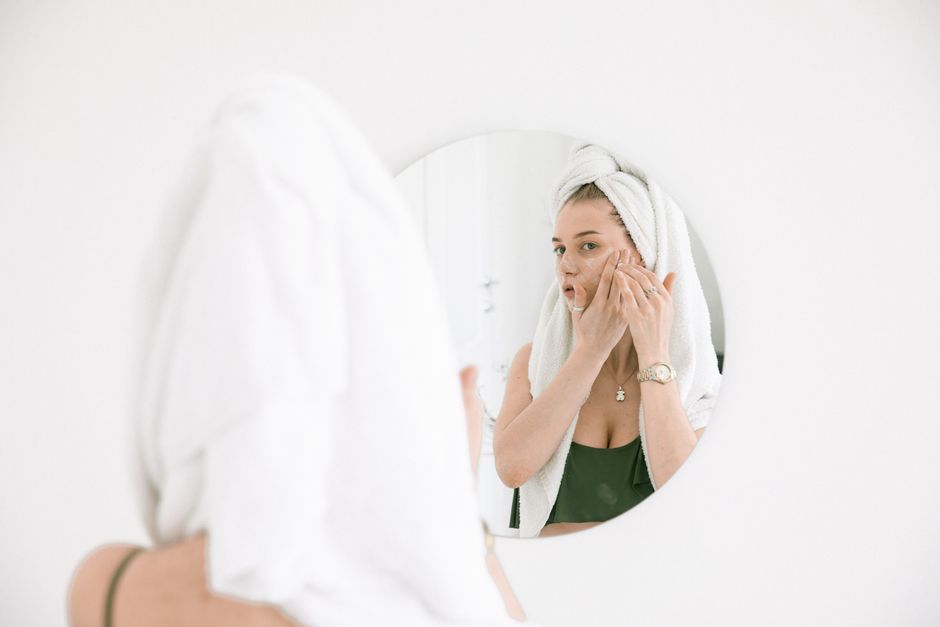
Mistake 1: applying a humectant to completely dry skin
A humectant attracts and holds water, but a thin serum cannot always prevent that water from leaving the surface. Apply it to slightly damp skin and cover it with a moisturizer. If a serum repeatedly leaves your face tight, stop using it alone. The problem may be the missing sealing layer, not the ingredient itself.
Mistake 2: using stronger cleansing to remove summer sweat
Oil control often becomes an overcorrection. A foaming cleanser used morning and night, followed by scrubs or acid pads, can remove too much surface lipid. Cleanse after heavy sunscreen or sweat, but use lukewarm water and keep the contact time short.
Mistake 3: treating flakes as dirt
- Do not pick peeling skin.
- Do not use a rough towel to polish the face.
- Do not add retinol, exfoliating acids, and a new vitamin C product during the same week.
- Do not apply fragrance-heavy products to cracked skin simply because the label says soothing.
The verdict is simple: if moisturizer stings, redness lasts, or cracking spreads, pause exfoliation and seek professional advice. More product is not always more coverage.
Which ingredients help, and which tradeoffs matter?
Humectants add water but need support
Glycerin, panthenol, beta-glucan, urea, and hyaluronic acid help attract water near the skin surface. They are useful after cleansing, especially when the face feels tight but not inflamed. Urea can be excellent for rough body skin, while a lower-strength formula is usually more comfortable on the face. Hyaluronic acid is not automatically superior; its performance depends on the full formula and what goes over it.
Barrier lipids reduce repeat water loss
Ceramides, cholesterol, and fatty acids support the lipid structure of the outer barrier. Squalane and dimethicone reduce water loss by leaving a protective film. Petrolatum is even more effective as a seal, but many people dislike its feel during the day. That is a comfort tradeoff, not proof that the ingredient is bad.
Match texture to the failure you are seeing
Choose a light lotion when sunscreen and makeup already feel heavy. Choose a cream when cheeks crack or sting after cleansing. Use an ointment only on small, very dry areas at night. Avoid assuming that a gel is better for acne-prone skin: a gel can still contain irritating fragrance or alcohol, while a cream can be non-comedogenic and comfortable.
For a dry-air routine, the strongest ingredient combination is a humectant plus a barrier-supporting moisturizer. That pairing addresses both sides of the problem instead of adding five separate serums.
When should you skip a new hydration product?
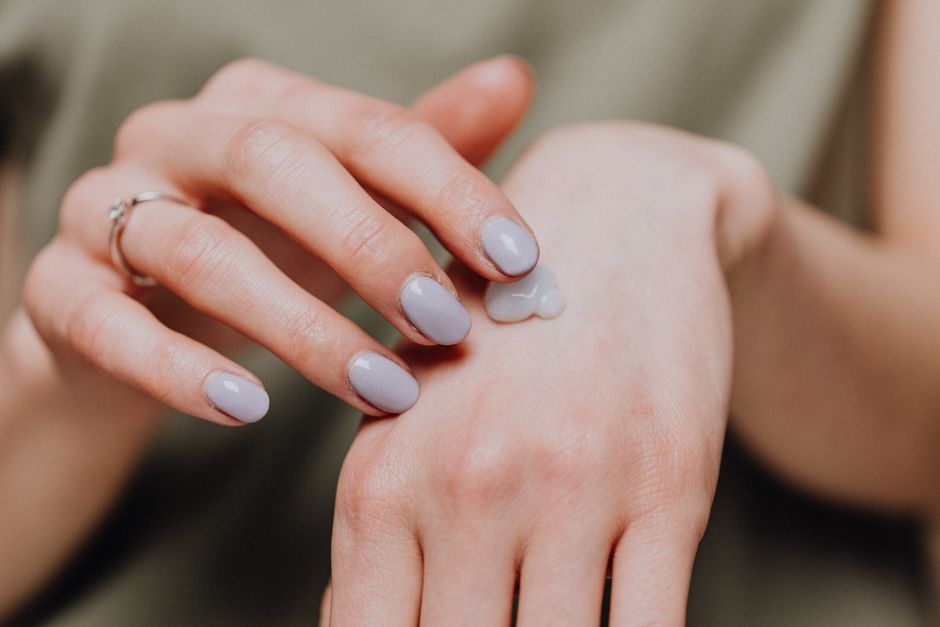
Should you buy another serum?
No, if your current moisturizer already contains glycerin, panthenol, or hyaluronic acid and your skin is still dry because you apply too little or cleanse too often. Add a better sealing layer first. A new serum is the wrong purchase when the actual problem is a damaged barrier.
Should you choose a rich cream?
Choose one for persistent tightness, flaking, or rough patches. Skip it for a face that feels congested, shiny, and comfortable after cleansing. In that case, a lighter lotion may improve consistency and reduce the urge to wash repeatedly. For combination skin, apply the richer texture only to the cheeks and around the mouth.
How should you judge claims?
Skincare products do not have AM Best ratings or J.D. Power satisfaction scores. Label claims are not independent guarantees. Read the ingredient list, check the size, patch test when irritation is likely, and compare several retailers. Prices vary by state and retailer; skin response varies by individual factors such as eczema, acne treatment, climate, and sensitivity. The consumer-safe verdict is to buy the smallest sensible size first when a formula is unfamiliar.
What is the clearest buying verdict for dry AC air?
Buy the simplest product that fixes the specific failure. Most people do not need a ten-step hydration system for longer days and indoor AC. They need a gentle cleanse, a damp-skin application, a moisturizer that supports the barrier, and sunscreen in the morning.
For sensitive skin
Vanicream Daily Facial Moisturizer is the clearest first pick because its 89 ml facial format is practical and its purpose is easy to understand. Use it after cleansing and before sunscreen. If flaking continues, move to a richer cream at night rather than adding several serums.
For face and body dryness
CeraVe Moisturizing Cream is the strongest value choice because the 454 g tub can cover multiple dry areas. La Roche-Posay Toleriane Double Repair Face Moisturizer is a better fit for someone who wants a smaller face-only format. Hada Labo Gokujyun Premium Lotion or The Ordinary Hyaluronic Acid 2% + B5 can add a water-binding step, but neither should replace a moisturizer in dry AC air.
The comparison below gives the compressed decision. Pick one lane, use it consistently for two weeks, and judge comfort, flaking, and stinging rather than packaging claims.
| Situation | Best starting choice | Why |
|---|---|---|
| Sensitive facial skin | Vanicream Daily Facial Moisturizer | Simple 89 ml lotion format |
| Face and body dryness | CeraVe Moisturizing Cream | 454 g size and richer cream texture |
| Light face-only routine | La Roche-Posay Toleriane Double Repair | 75 ml format with a lighter daily feel |
| Extra water-binding layer | Hada Labo Gokujyun Premium Lotion | 170 ml hydrating lotion used under cream |