
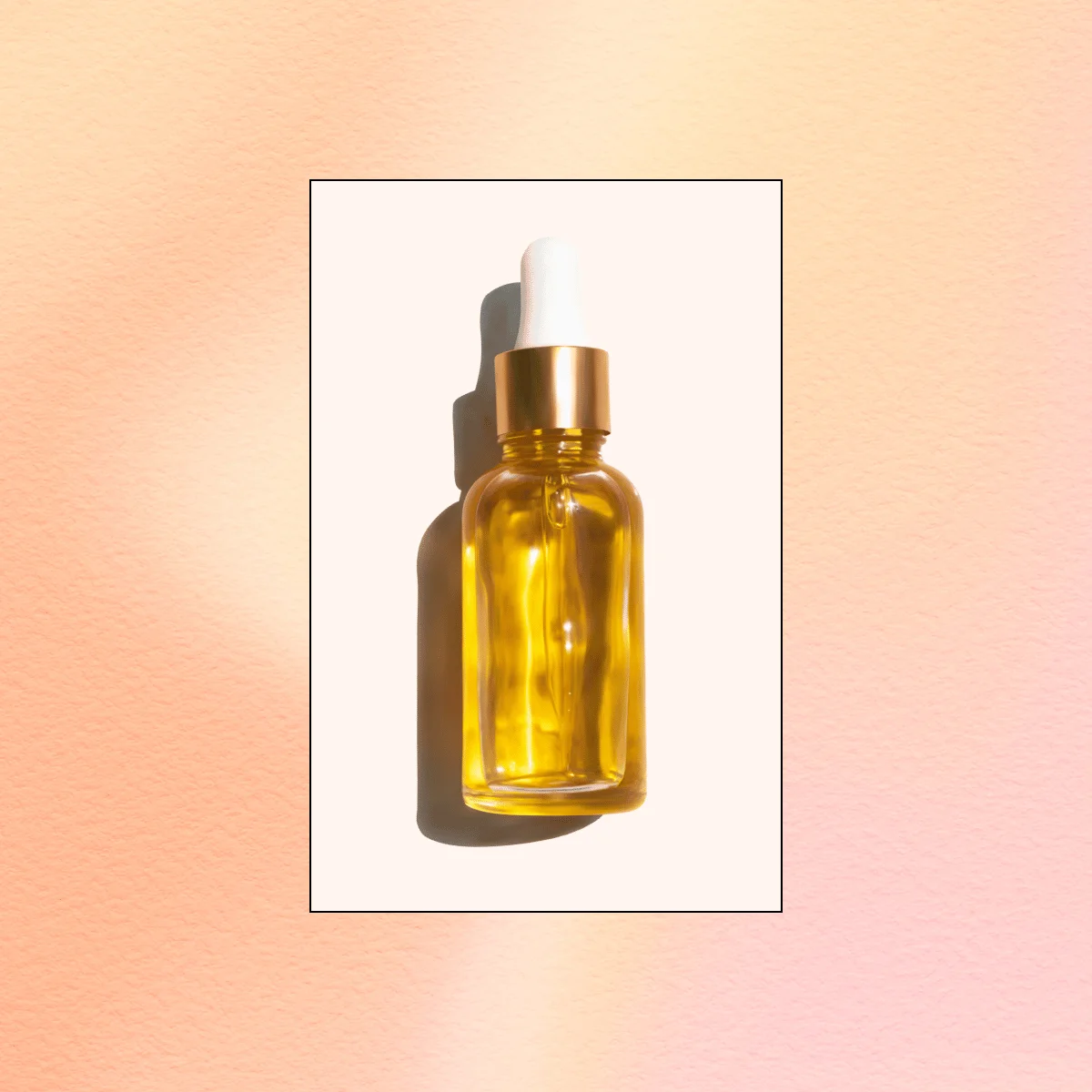
I remember the day I got my first tan and thought it was a good thing. Spoiler: it wasn’t. By 25, I had sunspots on my cheekbones that no amount of concealer could hide. A derm looked at me and said, “You need vitamin C. Not the kind you eat. The kind you put on your face.”
That was eight years ago. Since then, I’ve gone through maybe 40 bottles of vitamin C serum. I’ve bought the $166 SkinCeuticals C E Ferulic. I’ve bought the $12 The Ordinary. I’ve burned my face with a 20% L-ascorbic acid that was too strong. I’ve learned what works, what’s marketing fluff, and which of the seven benefits actually show up in the mirror.
Here’s what the science says, what I’ve seen with my own skin, and what you should actually spend money on.
1. Vitamin C Stops UV Damage Before It Starts
This is the big one. The one benefit every derm leads with. Vitamin C is an antioxidant — it neutralizes free radicals generated by UV exposure, pollution, and blue light from your phone screen.
Here’s the thing most articles don’t tell you: vitamin C does NOT replace sunscreen. It works underneath it. Think of sunscreen as a shield and vitamin C as a cleanup crew. The shield blocks some UV, but some always gets through. Vitamin C catches those stragglers before they trigger collagen breakdown and pigmentation.
A 2017 study in the Journal of the American Academy of Dermatology showed that combining 15% L-ascorbic acid with a broad-spectrum sunscreen increased photoprotection by a factor of 4 compared to sunscreen alone. That’s not subtle.
What I use for this
The gold standard is SkinCeuticals C E Ferulic ($166 for 30ml). It’s 15% L-ascorbic acid, stabilized with vitamin E and ferulic acid. The combination is patented and it works. But $166 is a lot. If you want something that performs 90% as well for $27, get Timeless 20% Vitamin C + E Ferulic Acid Serum. Same formulation concept, slightly higher concentration. I’ve used both. The Timeless stings a tiny bit more on application, but the results are nearly identical after 8 weeks.
2. It Fades Hyperpigmentation — But Only If You’re Consistent
This is the benefit most people want. Dark spots, sun damage, post-acne marks. Vitamin C inhibits the enzyme tyrosinase, which is what your skin uses to produce melanin. Less tyrosinase activity = less pigment deposited in the skin.
But here’s the reality check: vitamin C is not hydroquinone. It’s gentler and safer for long-term use, but it works slower. You’re looking at 8-12 weeks of daily use before you see meaningful fading of dark spots. If you want results in 4 weeks, you need a prescription retinoid or a chemical peel.
I learned this the hard way. I used a vitamin C serum for two weeks, saw no change, and gave up. Six months later, I tried again — this time for 12 straight weeks. The spot on my left cheekbone went from dark brown to barely visible. Consistency is the entire game.
The mistake most people make
They buy a vitamin C serum that’s already oxidized. L-ascorbic acid is unstable. It turns yellow, then brown, then useless. If your serum is dark yellow or orange when you open it, send it back. It’s dead on arrival.
I’ve had this happen with Maelove Glow Maker ($28). Great formula, but the bottle design lets air in. Halfway through, the serum turns. Now I keep it in the fridge. Melano CC (about $14 on YesStyle) uses a sealed dropper that prevents oxidation entirely. It’s my pick for travel.
| Serum | Price | Concentration | Stability | Best For |
|---|---|---|---|---|
| SkinCeuticals C E Ferulic | $166 / 30ml | 15% L-AA | Excellent (patented delivery) | Best overall, if budget allows |
| Timeless 20% Vitamin C + E Ferulic | $27 / 30ml | 20% L-AA | Good (airless pump) | Best budget dupe |
| Melano CC | $14 / 20ml | ~10% L-AA (proprietary) | Excellent (sealed tube) | Travel, sensitive skin |
| Maelove Glow Maker | $28 / 30ml | 15% L-AA | Moderate (oxidizes mid-bottle) | If you use it fast |
3. Collagen Production — The Benefit You Can’t See For 6 Months
Vitamin C is a cofactor for collagen synthesis. Without it, your skin can’t produce new collagen fibers. This is basic biochemistry. The enzyme that cross-links collagen strands (prolyl hydroxylase) needs vitamin C to function.
But here’s where I’ll be honest: you won’t see this benefit in a mirror. Not in a month, not in three. Collagen loss is slow — about 1% per year after age 25. Vitamin C slows that rate, but it doesn’t reverse it. Anyone who tells you a serum erases wrinkles is selling you a dream, not a molecule.
What you might notice after 6-8 months of daily use: your skin feels thicker. It bounces back faster when you pinch it. Fine lines around the eyes look less etched. That’s collagen preservation in action.
When NOT to buy vitamin C for collagen
If you’re over 50 and expecting vitamin C alone to rebuild lost facial volume, save your money. You need a retinoid (tretinoin or retinaldehyde) for that. Vitamin C is a maintenance tool, not a reconstruction tool. For younger skin (20s to early 40s), it’s excellent prevention. For older skin, it’s a supporting player, not the star.
4. It Brightens Without Bleaching
This is the benefit that gets called “glow” in marketing. Vitamin C exfoliates mildly — it’s a weak acid after all — and it speeds up cell turnover. The result isn’t whitening (vitamin C doesn’t bleach melanin). It’s a more even distribution of pigment across your face.
Think of it this way: your skin has melanin in clusters. Vitamin C spreads those clusters out so they’re less visible. The overall tone looks more uniform. That’s the glow people talk about.
I see this most clearly on my nose and chin, where I used to have redness and uneven tone. After 3 months of Timeless 20%, those areas match the rest of my face. No foundation needed.
One warning: If you have very dark skin (Fitzpatrick V-VI), high-concentration L-ascorbic acid (15%+) can cause a temporary darkening of the skin called “staining.” This is rare but real. Start with 10% or use a derivative like ascorbyl glucoside. Melano CC at ~10% is safer for darker skin tones.
5. It Reduces Puffiness And Under-Eye Circles
This one surprised me. I started applying a tiny amount of vitamin C serum under my eyes (carefully, not too close to the lash line) and noticed my morning puffiness was gone within 15 minutes.
The mechanism is twofold. Vitamin C strengthens capillary walls, which reduces fluid leakage into surrounding tissue. It also has mild anti-inflammatory effects. The result: less fluid pooling under your eyes when you wake up.
Does it fix dark circles? Only the ones caused by thin skin showing blood vessels underneath. If your dark circles are pigmented (brownish), vitamin C helps by fading pigment. If they’re blue/purple from visible veins, vitamin C thickens the skin slightly over time, making veins less visible. If they’re structural (deep tear troughs), no topical will fix that. Save for filler.
I use one drop of SkinCeuticals C E Ferulic patted gently under each eye, avoiding the waterline. It stings for 5 seconds, then stops. If it keeps stinging, your skin barrier is compromised. Back off to every other day.
6. It Speeds Wound Healing
This is a lesser-known benefit but well-documented. Vitamin C accelerates wound healing by promoting collagen deposition at injury sites. For skin, this means pimples heal faster, minor cuts close quicker, and post-inflammatory hyperpigmentation (the red mark after a pimple) fades faster.
I started applying vitamin C directly to fresh pimple marks. Not the active pimple — that would burn like hell. But the day after it popped, when the skin was still raw. It healed in 3 days instead of 7. The red mark was gone in a week instead of three.
This works because vitamin C reduces inflammation at the wound site and provides the raw material for new skin. It’s not a miracle — you still need time — but it cuts recovery noticeably.
How I use it for healing
I keep a small bottle of The Ordinary 100% L-Ascorbic Acid Powder ($6) for this. I mix a tiny pinch into my moisturizer and dab it on the spot. It’s cheaper than wasting my good serum on a single pimple. The powder is unstable once mixed with water, so I mix fresh each time. Takes 10 seconds.
7. It Protects Against Pollution Damage
This is the benefit you can’t see but your skin feels. City pollution generates free radicals that degrade collagen, trigger inflammation, and cause uneven pigmentation. Vitamin C neutralizes those radicals before they penetrate.
A 2019 study from the Journal of Investigative Dermatology found that participants in urban areas who used 15% L-ascorbic acid daily had 40% less sebum oxidation (the process that clogs pores and causes blackheads) compared to a placebo group. The effect was measurable within 2 weeks.
I live in a city with air quality that’s mediocre at best. My skin used to look dull by noon. Now, with vitamin C under sunscreen, it stays clear until I wash it off at night. The difference is subtle but real — like the difference between a clean window and a smudged one.
For this benefit specifically, any stabilized vitamin C serum works. The 15% concentration is the sweet spot. Higher isn’t better — 20% stings more and oxidizes faster with minimal extra benefit. Lower (<10%) still works but takes longer. Stick with 15%.