By 10 a.m., the base around your nose has separated, your blush has faded, and your forehead looks shinier than it did before you left home. August heat exposes every weak point in a makeup routine. The fix is not piling on more powder. It is choosing flexible textures, using less skincare underneath, and setting only the areas that need help.
Why heat breaks makeup before setting spray can help
Verdict: skin preparation and thin layers matter more than the final spray. Heat changes how makeup sits on the face. Sweat adds water and salt. Sebum adds oil. Frequent touching moves both through the makeup film. A thick base cannot absorb that stress gracefully, so it breaks apart around the nose, mouth, and hairline.
Sweat and oil damage makeup in different ways
Sweat usually creates sliding and patchiness. It can make foundation look diluted, especially when the formula contains a high water content and you apply too much. Oil creates separation. It pushes pigment away from the skin and leaves small gaps that show as pores or uneven color. The center of the forehead, sides of the nose, and chin usually need more control than the cheeks.
Flexible cream layers move with the skin
Cream blush, bronzer, and tint can work well in heat because they form a thin, flexible film instead of a dry layer sitting on top of the face. That does not make every cream formula heat resistant. A thick balm can still melt. The useful feature is spreadability: a pea-sized amount can cover the needed area without creating a heavy surface. Apply skincare, wait five minutes, blot excess moisture, then build makeup in thin layers. The first layer should even out color. The second should add coverage only where redness remains.
Cream makeup or powder makeup: which survives August best?
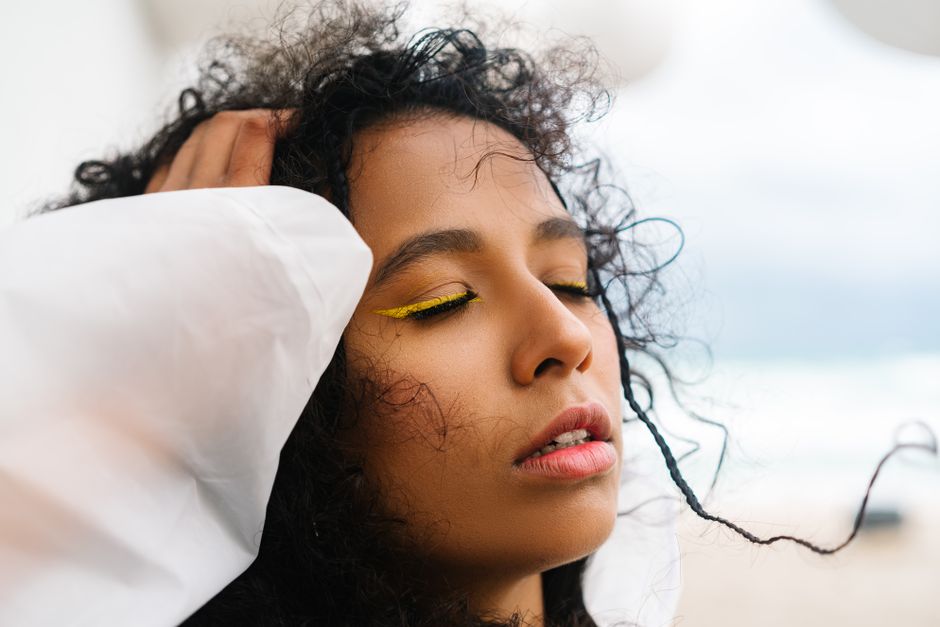
There is no single winner across the whole face. Creams usually look better on dry cheeks and mature skin. Powders usually control shine more effectively on the nose and forehead. The strongest August routine uses both textures in different zones.
Use this comparison to choose the right finish
| Formula | Typical example and price | Best area | Heat verdict |
|---|---|---|---|
| Serum skin tint | Danessa Myricks Yummy Skin Serum Skin Tint, about $36 | Dry cheeks and light base coverage | Best for a thin, flexible base |
| Cream blush | Tower 28 BeachPlease Lip + Cheek Cream Blush, about $20 | Cheeks and lips | Best for natural color, but set the center of the face |
| Liquid blush | Rare Beauty Soft Pinch Liquid Blush, about $25 | Long-wear cheek color | Strong pigment; use one small dot |
| Matte concealer | NARS Soft Matte Complete Concealer, about $32 | Redness and blemishes | Best for targeted coverage |
Pick creams for movement, not maximum coverage
The Tower 28 cream blush is the better choice for dry skin because it leaves the cheeks with a soft, fresh finish. The Rare Beauty liquid blush lasts longer when applied sparingly, but its pigment can overwhelm a dewy base. For a balanced face, use the cream on the outer cheek and a light veil of translucent powder beside the nose.
Use powder where sweat starts first
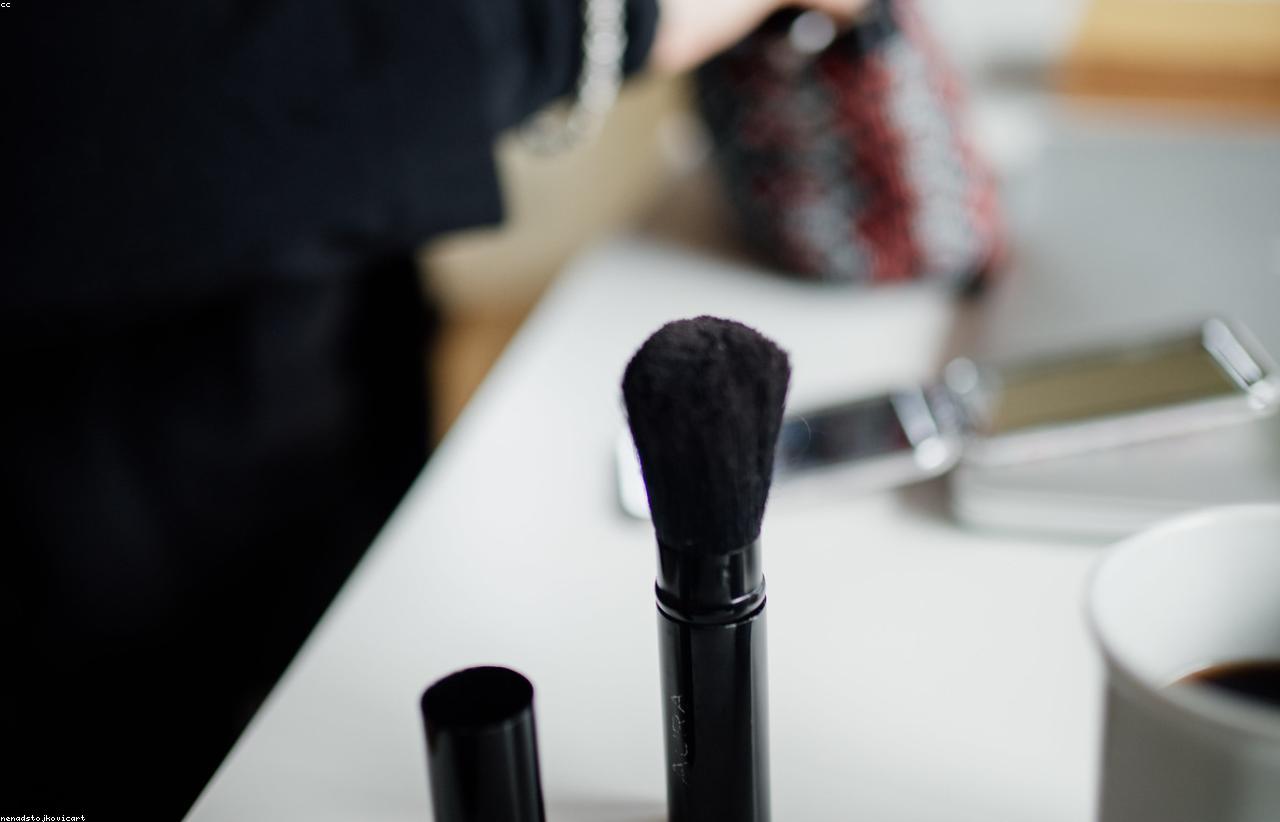
Powder is not the enemy. A small amount under the eyes, around the nostrils, and across the center of the forehead can keep cream layers from shifting. Press it in with a small puff instead of sweeping a large brush across the face. This controls movement without turning the whole complexion flat.
Do you need setting spray, powder, or both?

For August heat, use powder for oil control and setting spray for film flexibility. They solve different problems, so one cannot fully replace the other. Powder reduces surface slip. Spray helps the layers look less dusty and can make pigment adhere more evenly.
When setting spray is the better choice
Use spray when the makeup looks dry, powdery, or disconnected from the skin. Charlotte Tilbury Airbrush Flawless Setting Spray, about $38 for 3.3 ounces, gives a more polished finish than repeated powdering. One light coat after complexion makeup is enough for normal days. On a very hot day, a second light mist can go on after blush and bronzer, but flooding the face often makes the base feel wet and mobile.
When powder is the better choice
Use powder when your makeup slides from oil rather than sweat. Laura Mercier Translucent Loose Setting Powder, about $47 for 1 ounce, works best when pressed into the T-zone with a small puff. The goal is not a fully matte face. Leave the high points of the cheeks unpowdered so cream color keeps its natural finish. For strong cheek pigment, place powder first, apply blush, then press a nearly clean puff around the edges.
The clear winner for combination skin is a zone-based routine: powder in the center, spray over the full face, and no heavy layer on the cheeks.
Setting tips that stop August makeup from transferring
Thin layers set better than thick layers. Transfer happens when the surface stays soft, tacky, or oily. More setting powder can hide the problem for an hour, but it cannot repair a base that never dried properly. The practical answer is to control contact, pressure, and moisture at each stage.
Give every wet layer time to settle
Wait five minutes after sunscreen, two minutes after skin tint, and at least one minute after cream blush before adding powder. These pauses let water and volatile ingredients evaporate. If you press powder into makeup while the layer underneath is still wet, the powder can form small clumps and pull pigment away from the skin. Use a tissue to blot, not rub.
Protect the areas that touch other surfaces
Sunglasses, phone screens, mask edges, collars, and hair all create pressure. Keep the bridge of the nose and upper cheekbone thinner than the rest of the face. Press a tiny amount of powder onto the points that touch frames. Avoid dragging sunglasses down the nose because that motion removes several layers at once. For hairline transfer, keep blush and bronzer at least one finger-width away from the roots.
Blotting paper should lift oil without removing pigment. Press it onto the forehead and nose for three seconds, then release. Repeated rubbing is the fastest way to create bare patches.
Common cream-makeup mistakes and when not to buy it

Do not buy cream makeup simply because it is labeled dewy. Dewy formulas suit dry skin, but they can feel greasy on an oily forehead and may need more maintenance than a soft-matte formula.
Avoid these failure modes
- Applying cream blush over a wet sunscreen layer. The blush will move the sunscreen and create uneven color.
- Using a large amount of highly pigmented blush. Rare Beauty Soft Pinch Liquid Blush is a good example of a product that needs one tiny dot, not a full pump.
- Layering cream bronzer over heavy foundation. The brush or sponge can lift the base beneath it.
- Powdering the entire face after every cream step. This can create a dry shell that cracks around the mouth.
- Choosing a glossy balm for a long outdoor event. Merit Bronze Balm, about $32, gives a relaxed finish, but a very humid day may demand a more set cream or powder bronzer.
Choose a different texture when the situation demands it
Skip a rich cream blush if you will spend hours outdoors with oily skin and no chance to blot. A powder blush is the better tool for maximum oil control. Skip a full-coverage cream base if the main goal is to cover one blemish; use a sheer tint and targeted concealer instead. The best August routine is not the one with the most flexible formulas. It is the one that matches the amount of heat, sweat, rubbing, and coverage your day will create.
The best August makeup routine for a 90-degree day
For a long hot day, keep the base light and make the high-friction zones precise. Start with sunscreen, wait five minutes, then apply a thin skin tint only across the cheeks and outer forehead. Add matte concealer around the nose and on blemishes. Use cream blush on the outer cheeks, powder the T-zone, and finish with one controlled setting mist.
The strongest product combination
For dry or normal skin, Danessa Myricks Yummy Skin Serum Skin Tint with Tower 28 BeachPlease gives the best balance of flexible coverage and natural color. For combination skin, pair the tint with NARS Soft Matte Complete Concealer and press powder around the nose. For high-sweat days, Rare Beauty Soft Pinch Liquid Blush lasts longer than a soft balm when you use one small dot and set the edges lightly.
The final verdict
For August makeup that survives heat, cream products are the best starting point on the cheeks, but they should not cover every part of the face. Keep cream layers thin, use powder only where oil and friction begin, and use setting spray to join the layers rather than soak them. That combination looks fresher, wears more evenly, and gives you a clear fix when the temperature rises.