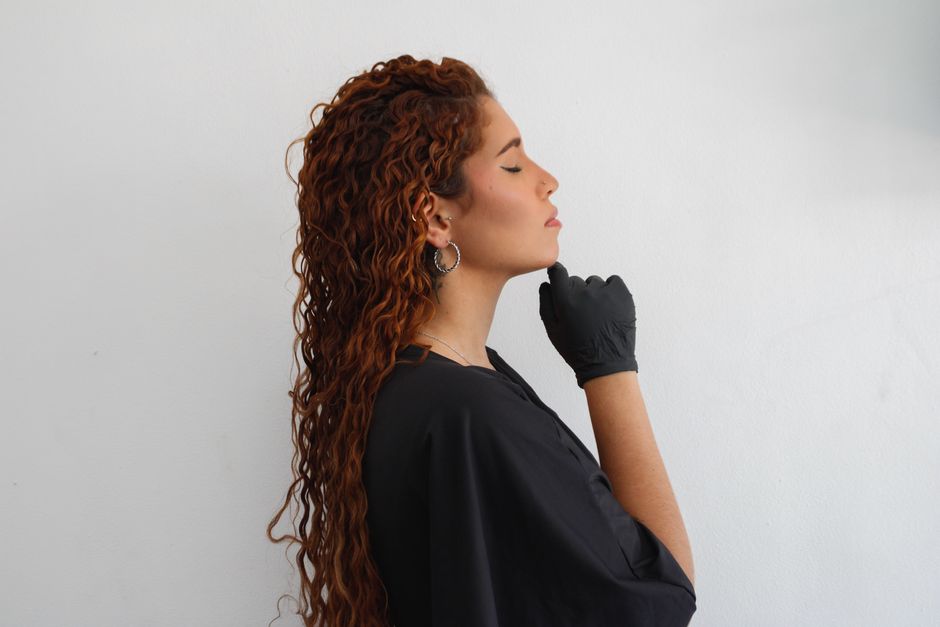
June brings humid mornings, faster frizz, and more pressure to use a blow dryer, curling iron, or flat iron before leaving the house. The right lightweight heat protectant should reduce friction and heat stress while leaving hair touchable instead of coated in oil.
June heat needs a film, not an oil bath
Verdict: For warm-weather styling, choose a thin spray or mist that forms a flexible film on the hair shaft. Heavy oils can add shine, but they do not solve every heat-styling problem, especially when fine hair already looks flat by lunchtime.
What heat protection actually does
Hair is made from keratin fibers with an outer cuticle that overlaps like small roof tiles. A hot tool can pull moisture from the fiber, roughen the cuticle, and increase friction as the tool passes over the strand. A heat protectant adds a light coating that helps spread heat more evenly and gives the brush or iron more slip. It does not make hair heat-proof. A label that says 450°F means the product was designed for a stated heat range; it does not cancel out repeated passes or damaged ends.
Sprays often feel lighter because they distribute a smaller amount of conditioning material across more hair. That matters in June, when humidity already makes roots feel oily and lengths feel swollen.
Why heavy oils can backfire in summer
Oil is not automatically bad. Dry, coarse hair may need a small amount on the ends. The mistake is using an oil as the only heat shield or applying it from the roots to the tips before a hot iron. Too much oil can make hair feel sticky, attract dust, and encourage repeated passes because the tool drags through the strand. For fine or low-density hair, a water-based mist is the safer starting point. Keep richer oils for the final two inches of the hair after styling, and use no more than one or two drops.
Choose a non-greasy heat protectant by label and use case
Verdict: The most reliable lightweight formula is one that states its heat limit, names the hair type it suits, and tells you whether to apply it to damp hair, dry hair, or both. A pretty bottle is not enough.
Four label checks that matter
- Look for a stated heat limit, such as 450°F or 230°C. If the label gives no temperature guidance, treat it as a general styling spray rather than a full heat-protection product.
- Match the application surface to your tool. Damp-hair sprays work well before blow-drying. Dry-hair mists work better before a curling iron or flat iron. Some products do both, but read the directions.
- Check the finish. Words such as ultra-fine mist, invisible, weightless, or lightweight are useful clues for fine hair, though they are not proof. A formula with several oils, waxes, or rich butters is more likely to feel heavy.
- Buy for your routine, not the highest temperature printed on the bottle. If your blow dryer runs at medium heat, a light spray with good slip can be more useful than a thick cream rated for extreme heat.
Apply enough to cover, not enough to wet
Start with clean, towel-dried hair. Divide thick hair into four sections and fine hair into two. Hold the bottle 6 to 10 inches away, mist from the mid-lengths to the ends, then comb through. The hair should feel lightly conditioned, not soaked. Give the spray a few seconds to settle before using a brush.
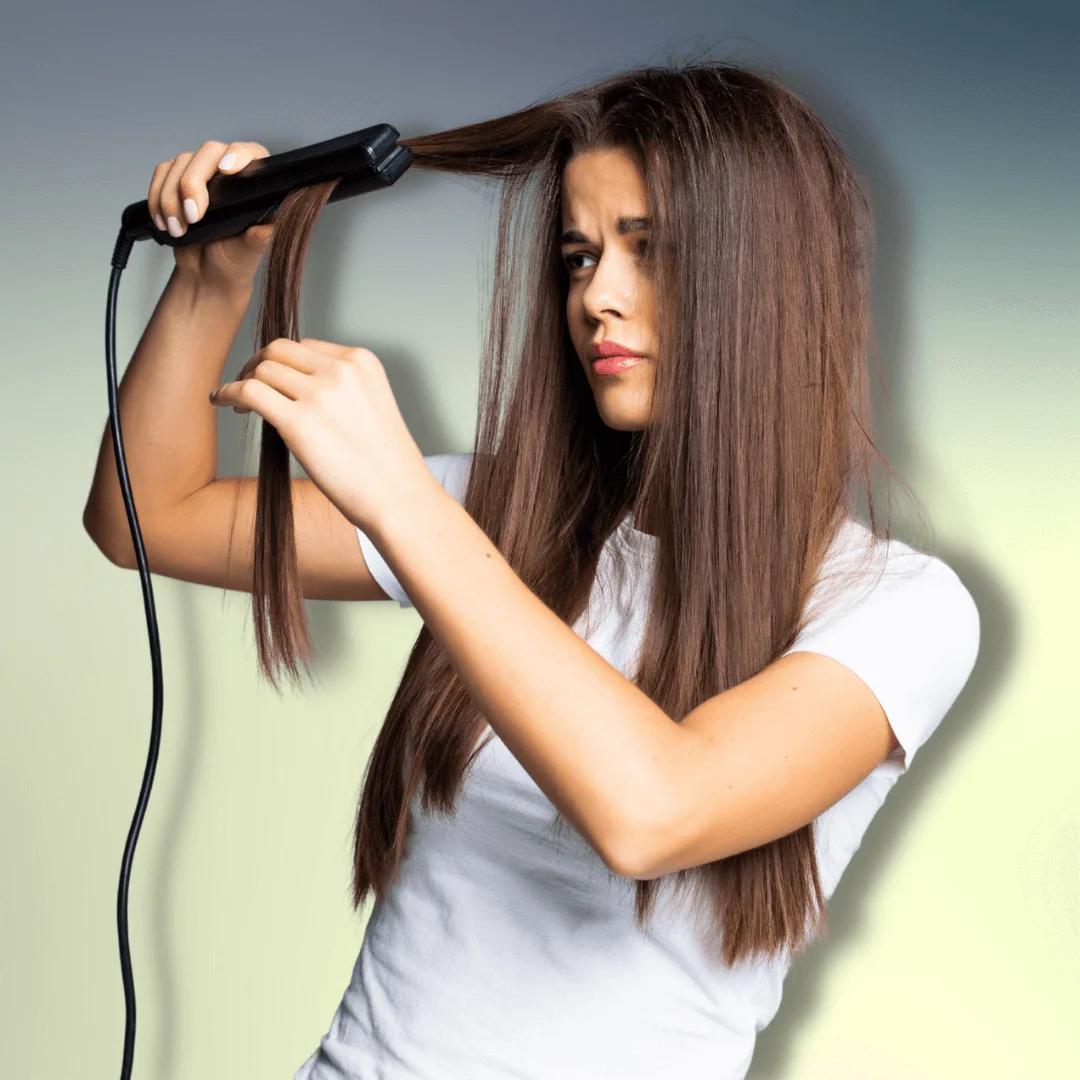
For dry-hair styling, mist one section at a time and wait until the surface feels dry. Never clamp a flat iron over visibly wet hair. That creates a steam burst inside the fiber and can cause more damage than the product is meant to prevent. Lower the tool to the lowest temperature that creates the style, usually around 300°F to 350°F for fine or fragile hair and 350°F to 390°F for thicker, resistant hair.
Four lightweight heat protectants compared for June
Verdict: Kristin Ess Style Assist Blow Dry Mist is the strongest budget pick for light coverage, while Living Proof Perfect hair Day Heat Styling Spray is the most polished choice for fine-to-medium hair that needs smoothness without an oily finish.
Coverage comparison
| Product | Size and listed price | Heat and use details | Best fit |
|---|---|---|---|
| Kristin Ess Style Assist Blow Dry Mist | 5 oz; $15 | Light mist; up to 450°F; damp or dry styling | Fine, straight, or wavy hair on a budget |
| Living Proof Perfect hair Day Heat Styling Spray | 5.5 oz; $34 | Up to 450°F/230°C; damp or dry hair; smoothness for up to 48 hours | Fine-to-medium hair needing a smooth finish |
| ghd Bodyguard Heat Protect Spray | 4 fl oz; $28 | Lightweight, invisible spray for damp or dry hair | Frequent hot-tool users who dislike residue |
| Bumble and bumble Hairdresser’s Invisible Oil Heat/UV Protective Primer | 8.5 fl oz; $34 | Up to 450°F/232°C; UV filters; six-oil blend | Dry, frizzy, coarse, or color-treated hair |
The exclusion warnings
Do not treat any of these products as permission to use a flat iron on wet hair, hold a tool on one section for 20 seconds, or style already brittle ends every day. Bumble and bumble is the least suitable choice for hair that turns greasy quickly because its six-oil blend is designed to condition and soften. The lighter sprays can still build up if you layer them with leave-in conditioner, mousse, serum, and hairspray.
A note on ratings and price claims
Hair products do not have AM Best ratings or J.D. Power scores, and there are no state-specific coverage requirements for heat protectants. The phrase “premiums vary by state and individual factors” applies to insurance, not a bottle of styling spray. Instead of getting multiple quotes, compare the ingredient list, size, heat limit, and return policy across several retailers. Prices can change during 2026, so use the listed amounts as a shopping benchmark rather than a promise.
Most heat-protection mistakes happen before the tool turns on
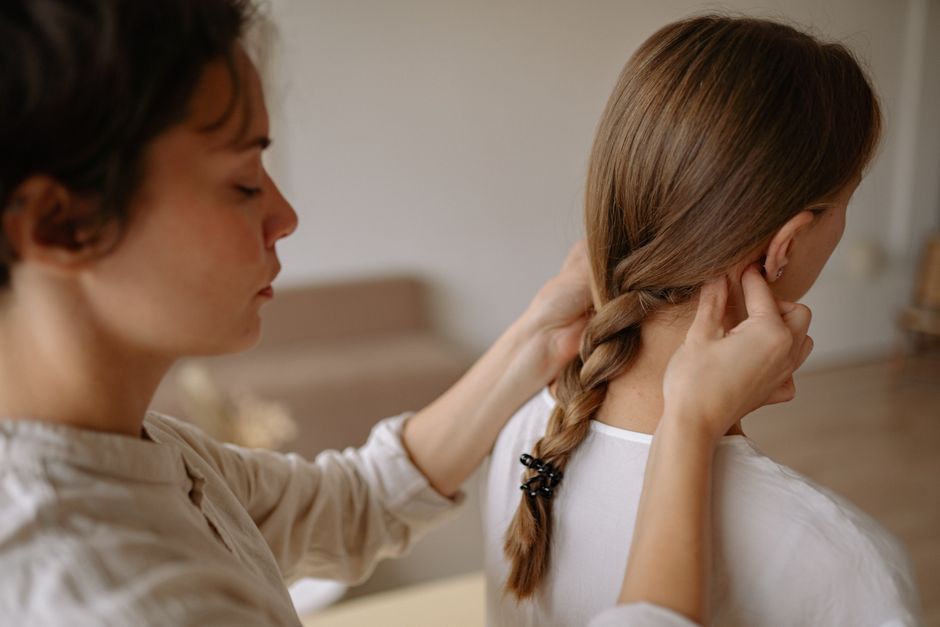
Verdict: Correct technique matters more than buying the most expensive spray. If hair still feels dry or greasy after protection, fix the dose, temperature, or layering order before replacing the product.
Q: Why does my hair feel oily after heat protectant?
The usual cause is too much product or an overly rich formula. Spraying close to the scalp also concentrates conditioner where the hair already has natural sebum. Use the product from ear level down, keep the nozzle moving, and comb through once. If the hair still collapses, switch from a primer or oil blend to a dry mist.
Q: Can I use heat protectant every day?
You can use a light mist before regular heat styling, but daily protection does not remove the cost of daily heat. A better routine alternates blowouts with air-dried styles, braids, or rollers. Give the hair at least one low-heat day after repeated iron use. Split ends, snapping around the temples, and a rough texture mean the routine needs less heat and a trim, not a thicker coating.
Q: Why does my spray make curls fall out?
Some conditioning formulas add too much slip for fine hair, while applying a damp product immediately before a curling iron can leave the strand too soft. Use a small amount, allow it to dry fully, and curl smaller sections. If the style still drops, choose a lightweight dry mist and add hold after the curl cools.
Pick the formula that matches your hair, not the season alone
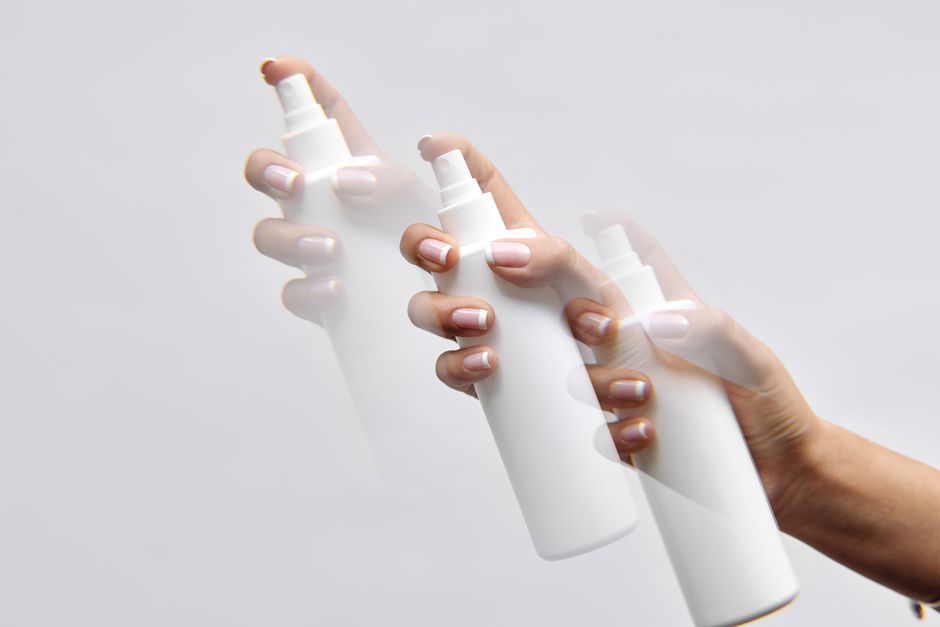
Verdict: For fine hair, choose Kristin Ess Style Assist Blow Dry Mist. For fine-to-medium hair that needs a smoother finish, choose Living Proof Perfect hair Day Heat Styling Spray. For dry, thick, or color-treated hair, choose Bumble and bumble Hairdresser’s Invisible Oil Primer only if your hair benefits from oils.
Three clear buying decisions
- Fine or easily weighed-down hair: Start with Kristin Ess at $15 for its 5-ounce ultra-fine mist and 450°F claim. Apply lightly from the mid-lengths down. It gives the most protection per dollar without forcing an oil-based finish.
- Fine-to-medium hair with humidity frizz: Living Proof costs more at $34 for 5.5 ounces, but its 450°F/230°C rating and damp-or-dry directions make it the most versatile pick. Choose it when smoothness matters as much as protection.
- Dry, coarse, or heavily processed hair: Bumble and bumble gives richer conditioning, UV filters, and heat protection up to 450°F/232°C. Do not buy it for fine hair that becomes limp after one spray. In that case, ghd Bodyguard is the cleaner choice.
When not to buy a heat protectant yet
Do not buy another bottle if your current product is within its use period, matches your tool, and leaves the hair comfortable. Test a smaller amount first. Replace it only when the nozzle distributes unevenly, the formula has changed smell or texture, or the label does not cover the way you style. On a humid June morning, that simple check keeps the routine light: mist the lengths, dry at a moderate temperature, use one controlled pass, and leave the heavy oil on the shelf.