A 30°C (86°F) commute can turn a full-coverage foundation into a touch-up problem before lunch. Heat, sweat, sunscreen, and facial oil all push against a thick base, so the smartest summer switch is often less makeup, applied with more control.
Why summer foundation feels heavy by noon
The problem is not simply that foundation has “too much coverage.” A full base often combines a high pigment load with film-forming ingredients, emollients, and a finish designed to look even under indoor lighting. In hot weather, those layers meet sweat and oil on the skin. The result can feel sticky, separate around the nose, or collect in lines that were barely visible in the morning.
Heat changes the way makeup sits
Warm skin tends to produce more oil and moisture. Sunscreen adds another smooth, flexible layer underneath makeup, while humid air slows evaporation. A rich foundation can then move instead of setting. Matte formulas may control shine at first but leave dry patches looking sharper once the skin warms up. A lighter base reduces the amount of pigment and texture sitting on top of the face, which makes movement less obvious.
Coverage is not the same as correction
Foundation covers the whole face, but most people do not need equal coverage everywhere. Redness may sit around the nostrils, a blemish may need one small dot of concealer, and the cheeks may look even with only a sheer tint. Separating those jobs creates a cooler, more comfortable result. Use a light base to soften overall tone, then add pinpoint coverage only where the skin needs it. The best summer base is usually the one that leaves the most skin uncovered while still making the face look balanced.
How to choose coverage without wearing a full foundation
Start with the finish you want at 3 p.m., not the coverage you want at 8 a.m. If your skin becomes shiny, choose a thin fluid with a natural or soft-matte finish. If it becomes tight or flaky, choose a flexible tint with humectants and a satin finish. If you want redness softened but still visible skin texture, look for light-to-medium buildable coverage rather than a product labeled full coverage.
Pick the right alternative type
- Skin tint: Best for an even complexion with visible freckles and a barely-there feel. Coverage usually ranges from sheer to light.
- Tinted moisturizer: Best for normal to dry skin that needs comfort and a softer finish. It may look too rich on an oily T-zone.
- BB cream: Best when you want light coverage with a more polished look. Check the shade range carefully because many BB creams offer few colors.
- Mineral powder foundation: Best for oily skin, quick touch-ups, and humid days. It can emphasize flakes if applied over dry, unprepared skin.
- Concealer plus sunscreen: Best for people who dislike face makeup. Apply sunscreen first, then cover only redness, discoloration, or blemishes.
Match the finish to your real routine
For outdoor walking, choose a flexible finish that can tolerate sweat and movement. For an air-conditioned office, a satin tint may look fresher than a dry matte powder. For a beach day, makeup should not replace broad-spectrum sunscreen; choose a dedicated sunscreen with the protection and amount your skin needs, then add makeup selectively. The clear verdict is simple: pick a sheer liquid for the most natural look, a tinted moisturizer for dry skin, and powder only when oil control matters more than glow.
Which light bases beat foundation in heat?
These are useful reference points because they show how light summer alternatives differ in coverage, finish, and price. Prices are approximate US retail prices in 2026 and can change by shade or retailer.
| Product | Approx. price | Coverage | Finish | Best use |
|---|---|---|---|---|
| Saie Slip Tint SPF 35 | About $36 | Sheer to light | Dewy | Dry or normal skin |
| Tower 28 SunnyDays SPF 30 | About $32 | Light to medium | Natural | Redness and sensitive skin |
| Fenty Beauty Eaze Drop Blurring Skin Tint | About $38 | Light to medium | Soft matte | Combination skin |
| MAC Studio Radiance Face and Body | About $42 | Sheer to light | Radiant | Large-area, flexible coverage |
| bareMinerals Complexion Rescue SPF 30 | About $39 | Sheer to light | Hydrating satin | Dry or mature skin |
The best choice for dry skin
For dry skin, bareMinerals Complexion Rescue SPF 30 is the strongest fit from this list because its hydrating satin finish is less likely to catch on flaky areas. Saie Slip Tint SPF 35 gives more visible glow, but that can look greasy across a warm forehead. Apply either with clean fingers in two thin passes instead of one thick layer. Let the first layer settle for a minute before deciding if another is needed.
The best choice for combination or oily skin
Fenty Beauty Eaze Drop is the better pick for combination skin because its soft-matte finish blurs uneven tone without the dense feel of traditional foundation. Tower 28 SunnyDays is the better choice when redness or sensitivity matters more than shine control. MAC Studio Radiance Face and Body wins for flexible coverage across the neck and chest, but it is not the first choice for an oily T-zone unless you set only the center of the face. No option stays perfect through heat; the winner is the one that fails most gracefully when the skin becomes damp.
How to apply a light base so it lasts
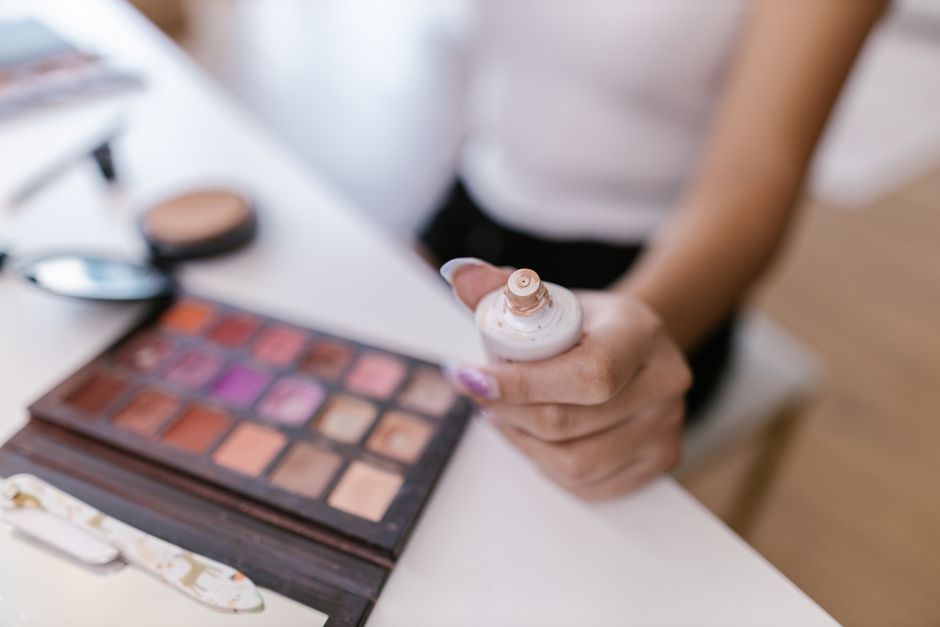
A light formula does not need a complicated routine, but the order and amount matter. Use this five-step method when you want fresh coverage that does not slide away by midday.
- Prep with a measured amount of sunscreen. Apply the sunscreen your skin already tolerates, then wait about 10 minutes. Rubbing makeup over wet sunscreen creates pilling and uneven coverage.
- Remove excess slip. If the skin still feels very slick, press a clean tissue over the forehead, nose, and chin. Do not rub. This removes surface excess without stripping the sunscreen layer.
- Place the base strategically. Start with a pea-sized amount across the center of the face. Spread outward with fingers, a damp sponge, or a short, dense brush. Keep the outer cheeks and jawline thin.
- Correct only the areas that need it. Add a small amount of concealer around the nostrils, under the eyes, or over a blemish. One dot is easier to blend than a wide stripe.
- Set the movement zones. Press a small amount of translucent powder onto the sides of the nose, upper lip, and center forehead. Leave the cheekbones unpowdered if you want a natural finish.
Use less product than your hand suggests
Start with roughly half a pump or a pea-sized amount, depending on the formula. You can add coverage, but you cannot easily remove a thick layer without disturbing the sunscreen underneath. A damp sponge gives the thinnest finish, fingers give the fastest blend, and a brush gives the most even build-up. For hot weather, fingers or a sponge usually produce a more flexible film than repeated buffing with a dense brush.
Fix separation without starting over
When makeup breaks around the nose, do not add powder immediately. Press the area with tissue, tap a tiny amount of moisturizer or setting spray onto the patch, and then blend the edges with a fingertip. Add concealer only after the surface looks smooth. Piling fresh base on top of oil is the most common reason a small midday repair becomes a thick, visible spot.
When a light base is the wrong choice
A light summer alternative is not automatically better. It is the wrong tool when you need strong coverage for a long event, when a formula irritates your skin, or when the shade range cannot match your neck. More product will not solve those problems. It will only make the base thicker and more obvious.
Skip the tint when you need full correction
For photographs, formal events, active acne, or pronounced discoloration, a sheer tint may leave you adding so much concealer that the finish becomes patchier than a well-chosen foundation. Use a medium-coverage base in a thin layer instead, then powder the areas that move. A light formula also makes little sense if you dislike seeing freckles, pores, or natural skin tone; the visual goal and the product category are not aligned.
Avoid these summer buying mistakes
- Do not treat a makeup product labeled SPF as a full sunscreen replacement unless you can apply the large amount needed for the stated protection.
- Do not choose the palest or most yellow shade because it looks better indoors. Check the shade along the jaw in daylight.
- Do not buy a dewy finish for an oily forehead simply because the online swatch looks luminous.
- Do not test a new base for the first time before a wedding, flight, or outdoor event. Wear it for at least six hours at home first.
- Do not blame the base before checking the layers underneath. Heavy moisturizer, silicone primer, and wet sunscreen can cause pilling even with a good formula.
For warmer days, the safest strategy is a thin complexion tint, targeted concealer, and powder placed only where movement creates shine. The single most important takeaway is to use the lightest base that evens your skin, then add coverage only to the exact spots that need it.