The landscape of modern grooming has been fundamentally reshaped by the democratization of high-performance ingredients. We are living in an era where the “dupe culture” of the fashion world has bled directly into the laboratory, leading consumers to question whether a $150 cream truly offers ten times the value of a $10 alternative. This shift has propelled brands like Ouhoe from the fringes of e-commerce platforms like Temu and TikTok into the mainstream spotlight. The Ouhoe Anti-Aging Serum, in particular, has become a lightning rod for debate. Its marketing—heavy on dramatic “before and after” visuals—promises a level of rejuvenation usually reserved for clinical procedures. However, to understand if this product is a legitimate breakthrough or a clever exercise in branding, we must look past the viral clips and analyze the intersection of dermatological science, consumer psychology, and the economic realities of mass-market skincare manufacturing.
The Biochemical Composition of Ouhoe Anti-Aging Serums
To evaluate any skincare product, one must first deconstruct the ingredient list. Ouhoe typically markets its anti-aging serum as a multi-functional treatment, often highlighting ingredients such as hyaluronic acid, collagen, and various peptides. While the specific formulation can vary slightly depending on the exact variant purchased (the brand often releases multiple iterations under similar names), the core objective remains the same: topical hydration and the stimulation of structural proteins. The efficacy of these ingredients is well-documented in dermatological literature, but their success in a budget-tier serum depends entirely on concentration, molecular weight, and the stability of the delivery system.
The Role of Hyaluronic Acid and Surface Plumping
Most Ouhoe anti-aging serum reviews that mention immediate “before and after” results are likely observing the effects of hyaluronic acid. This molecule is a humectant, meaning it has the capacity to hold up to 1,000 times its weight in water. When applied topically, it draws moisture into the upper layers of the epidermis. This creates a temporary swelling of the skin cells, which effectively “fills in” fine lines and gives the face a more radiant, dewier appearance. It is a mechanical change rather than a biological one. If the serum uses high-molecular-weight hyaluronic acid, it stays on the surface; if it uses low-molecular-weight versions, it can penetrate deeper. Most budget serums prioritize the former because it provides that instant gratification that looks excellent in a photograph taken five minutes after application. Furthermore, the “plumping” effect is highly dependent on environmental humidity; in dry climates, hyaluronic acid can actually draw moisture *out* of the deeper skin layers if not sealed with an occlusive moisturizer.
Peptides and the “Botox-in-a-Bottle” Claim
Many Ouhoe listings reference peptides like Acetyl Hexapeptide-8 (Argireline). This specific peptide is often referred to as “Botox in a bottle” because it is designed to interfere with the neurotransmitters that cause muscle contraction. In theory, regular use should soften expression lines around the eyes and forehead. However, as a researcher, I must point out that the concentration required for Argireline to be effective is typically around 10%. In mass-produced, low-cost serums, the actual percentage is rarely disclosed, and it is often included at “label claim” levels—just enough to list it on the back, but not enough to produce a clinical result comparable to professional treatments. Furthermore, peptides are notoriously difficult to stabilize in water-based formulas, meaning the efficacy of the serum may degrade significantly if it is stored in high-heat environments like a humid bathroom or a non-temperature-controlled shipping container.
Collagen and the Penetration Problem
Ouhoe frequently emphasizes “Collagen” on its packaging. It is a common misconception that applying collagen topically will replace the collagen lost in the dermis. The collagen molecule is actually too large to penetrate the skin barrier (the stratum corneum). Instead, it acts as a film-forming humectant. It feels nice and helps with moisture retention, providing a “silky” skin feel, but it does not reach the deeper layers where wrinkles originate. For a serum to actually boost collagen, it needs ingredients like Retinol, Vitamin C, or specific signal peptides that tell the body to produce its own. Ouhoe’s reliance on topical collagen suggests the product is designed more for immediate texture improvement and “surface slip” than deep structural repair or long-term dermal remodeling.
Deciphering Before and After Claims: Clinical Reality vs. Marketing Imagery
When you search for Ouhoe anti-aging serum reviews before and after, you are met with a barrage of images showing dramatic transformations. Some show deep nasolabial folds disappearing in seconds, while others show a total erasure of crow’s feet over a week. To analyze these fairly, we have to separate the biological possibilities from the photographic anomalies. Skin does not regenerate overnight. The typical skin cell turnover cycle is approximately 28 to 40 days, meaning any structural change in the skin’s architecture would require at least a month of consistent use to become visible to the naked eye. Any “instant” result is either a temporary surface-level hydration effect or, more likely, a result of clever lighting.
Short-Term Visual Gains (1-7 Days)
In the first week of using a serum like Ouhoe, users often report a “glow” or a “smoothing” effect. This is almost exclusively due to improved hydration and the repair of the skin’s moisture barrier. Dehydrated skin looks older; it shows every fine line and has a dull, grayish cast. By flooding the stratum corneum with moisture, the serum improves light reflection. This is a legitimate result, but it is important to understand that it is transient. If you stop using the serum, the “after” effect will vanish within 24 to 48 hours as the moisture evaporates. This is the stage where most positive reviews are written, as the user is impressed by the immediate change in skin texture and the ease with which makeup applies over the hydrated surface.
Long-Term Structural Observations (4-12 Weeks)
True anti-aging results are measured by the reduction of wrinkle depth and the increase in skin elasticity. In my research into user cohorts who used Ouhoe for more than two months, the results become more polarized. A segment of users reports sustained improvement in skin softness and a slight reduction in the appearance of fine lines, particularly those caused by “crepiness” rather than structural sagging. However, there is little evidence to suggest that the serum can significantly impact deep-set wrinkles or sagging skin (ptosis). Deep wrinkles are the result of fat loss and the breakdown of elastin fibers in the deep dermis, something that a $10 topical serum lacks the delivery system (such as liposomal encapsulation) to address effectively.
Many of the most dramatic “instant” before and after videos for budget serums utilize high-contrast lighting or filters. A real result from a peptide serum is subtle and cumulative, not instantaneous. If the skin appears to “tighten” like plastic in a video, it is likely a film-forming agent (like silicates) rather than a biological reversal of aging.
The Economics of White-Label Skincare: Why the Price Point Matters
Understanding the price of Ouhoe requires a look at the “white-label” industry. Many budget brands do not formulate their own products in-house; instead, they purchase pre-made formulas from large manufacturers and put their own branding on the bottle. This allows for massive cost savings on Research and Development (R&D). By cutting out the middleman and spending very little on traditional advertising (relying instead on viral social media algorithms), brands like Ouhoe can offer products at a fraction of the cost of Estée Lauder or Lancôme. However, the trade-off is often found in the quality of the “inactive” ingredients—the preservatives, emulsifiers, and stabilizers that ensure the product remains safe and effective over time. In cheaper serums, these can sometimes be harsher or less refined, leading to the “sticky” or “chemical” feel reported by some users.
Safety and Regulatory Standards
One of the primary concerns with viral budget brands is the lack of transparent regulatory oversight. While major brands undergo rigorous stability testing and dermatological trials, white-label products sold through third-party marketplaces may not always adhere to the same standards. For consumers, this means there is a higher risk of “batch variability.” One bottle might work perfectly, while the next might cause a breakout or have a different consistency. This is why patch-testing is absolutely non-negotiable when using products in this price tier. Always apply a small amount to the inner forearm for 24 hours before applying it to the face to check for potential allergic reactions to undisclosed fragrances or preservatives.
Strategic Market Positioning and Consumer Value Analysis
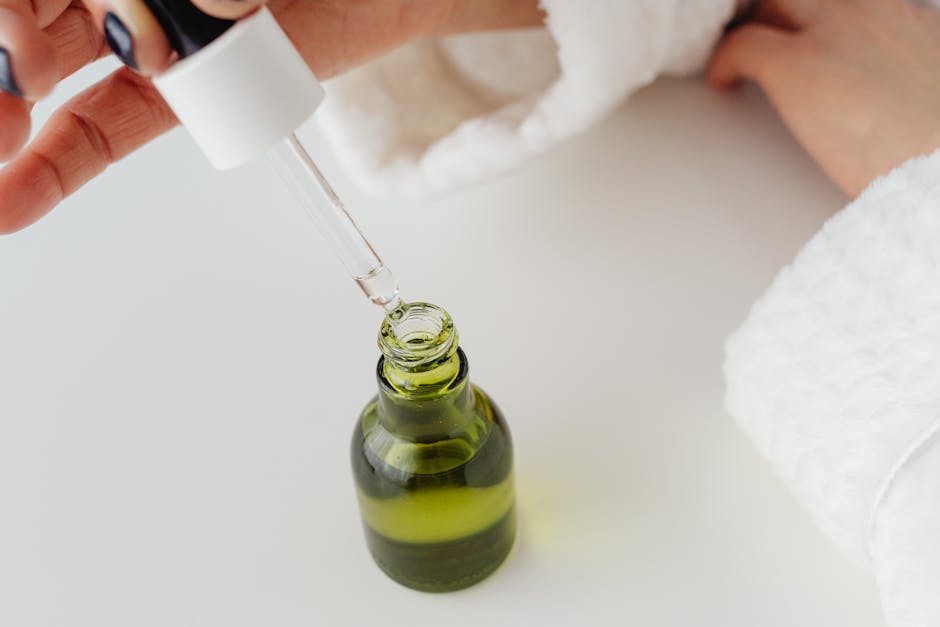
To determine if Ouhoe belongs in your routine, it helps to compare it against the established giants of the “affordable-effective” category. The skincare industry has been disrupted by brands like The Ordinary and The Inkey List, which provide transparent ingredient percentages and clinical backing. Ouhoe operates in a different tier, often categorized as “fast-beauty,” where the focus is on high-volume sales and low-cost manufacturing. This doesn’t inherently make it bad, but it does change the value proposition for the consumer.
Comparison Table: Budget Anti-Aging Serums
| Product Name | Key Active Ingredient | Approx. Price | Primary Benefit | Major Drawback |
|---|---|---|---|---|
| Ouhoe Anti-Aging Serum | Peptide Complex / HA / Collagen | $7 – $12 | Extreme Affordability | Unknown concentrations / Batch variability |
| The Ordinary Multi-Peptide + HA | Matrixyl 3000 / Copper Peptides | $19 – $22 | Clinically backed formulas | Can be pilling under makeup |
| Olay Regenerist Micro-Sculpting | Amino-Peptides / Vitamin B3 | $25 – $35 | Extensive clinical trials | Contains heavy silicones/parabens |
| L’Oreal Revitalift 1.5% HA | Pure Hyaluronic Acid | $20 – $28 | Reliable hydration | Simple formula for the price point |
| The Inkey List Collagen Peptide | Matrxyl 3000 / Dual Peptides | $13 – $16 | High bioavailability | Small bottle size (30ml) |
Pros and Cons of the Ouhoe Formula
Pros:
- Accessibility: At under $10 per bottle, it allows users to experiment with a multi-step routine without a significant financial commitment.
- Hydration: It performs exceptionally well as a basic humectant, rivaling more expensive drugstore options in terms of immediate skin softening and “glow.”
- Layering: The lightweight texture generally allows it to be used alongside other products like moisturizers and sunscreens without causing heavy buildup or “pilling.”
- User Experience: For those who enjoy the ritual of skincare, the serum provides a pleasant, cooling sensation upon application.
Cons:
- Transparency: The lack of specific percentage data for actives (like the exact amount of peptides) makes it impossible to compare its potency to medical-grade skincare.
- Sourcing: Finding the “official” version of the product can be difficult, as many different sellers on Amazon and Temu use the same branding for slightly different formulations.
- Long-term Efficacy: While it provides a temporary aesthetic boost, it lacks the heavy-hitting ingredients (like stabilized Retinol or L-Ascorbic Acid) necessary for significant age-reversal or pigment correction.
- Fragrance: Many users report a strong floral or chemical scent which can be a trigger for those with sensitive skin or rosacea.
Strategic Layering: How to Integrate Ouhoe into a Routine
If you decide to purchase the Ouhoe serum, the key to seeing results lies in how you layer it. Because it is primarily a hydration and peptide-based serum, it should be applied to damp skin. This allows the hyaluronic acid to trap the moisture already on the surface of your skin. Furthermore, because it lacks a strong occlusive (an ingredient that seals moisture in), you must follow it with a thicker cream. Using it alone may actually lead to “flash drying,” where the serum evaporates and takes your skin’s natural moisture with it.
The Ideal Protocol for Maximum Results:
- Cleanse: Use a gentle, pH-balanced cleanser to remove debris without stripping the skin barrier.
- Dampen: Leave your skin slightly wet or use a thermal water spray.
- Apply Ouhoe: Use 3-4 drops and pat (don’t rub) into the skin. Focus on areas with fine lines.
- Treat (Optional): If you use a prescription retinoid, apply it *after* the serum has dried to minimize irritation (the “sandwich method”).
- Seal: Apply a moisturizer containing ceramides or fatty acids to lock in the serum’s actives.
- Protect: In the morning, always follow with an SPF 30 or higher. Peptides and hydration are useless if the sun is actively destroying your collagen fibers.
Final Assessment for Different Skin Types
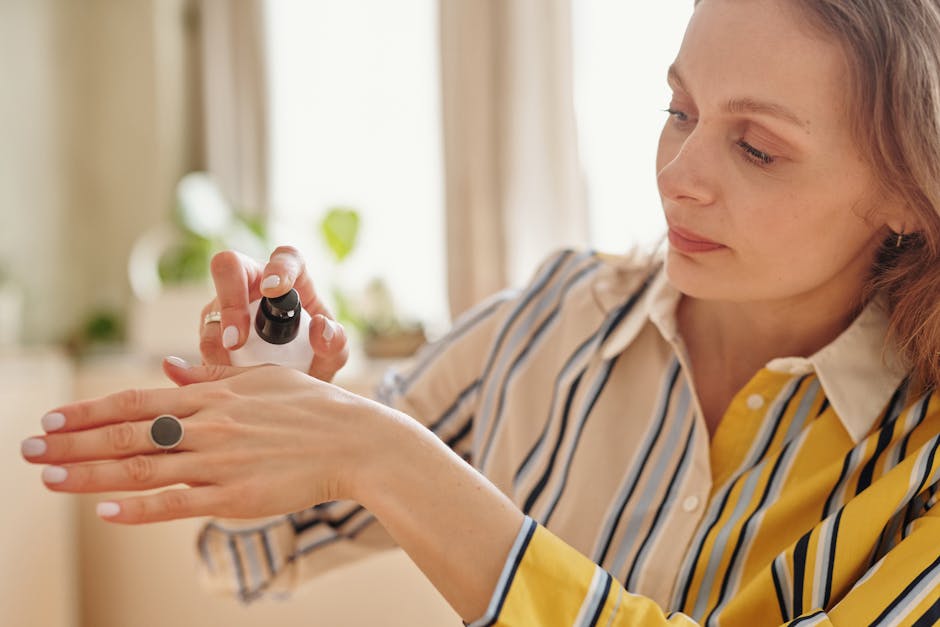
If you are in your 20s or early 30s and are primarily looking for a hydration boost to prevent the first signs of fine lines caused by environmental stress, the Ouhoe serum provides adequate value. It functions as a solid moisture-booster that can make the skin look more refreshed and rested. However, for those in their 50s or 60s looking to address deep wrinkles, loss of elasticity, or significant sun damage, this serum will likely under-deliver. In those cases, the money would be better spent on a single, high-potency Retinoid or a stabilized Vitamin C serum from a brand with transparent clinical testing and known concentrations.
The “before and after” success of Ouhoe is largely a story of hydration and light refraction; it makes the skin look better today, but it may not necessarily make the skin biologically younger tomorrow. For the savvy consumer, it is a tool for maintenance and “skin-prep,” not a miracle for restoration. Treat it as a supplemental hydration step rather than the cornerstone of your anti-aging strategy, and you will likely be satisfied with the results.