
The modern aesthetic for men has shifted significantly over the last decade, moving away from the “rugged and neglected” look toward a meticulously curated grooming standard where hair density is considered the ultimate accessory. In the world of men’s fashion, a well-tailored suit or a high-end streetwear ensemble is often anchored by the silhouette of the wearer’s hair. However, for many, the realization that hair is thinning isn’t a sudden event but a slow, creeping awareness that the scalp is becoming more visible than it used to be. The market for hair growth serums is currently flooded with promises of overnight miracles, but the reality of follicular recovery is dictated strictly by biology, not marketing. If you are looking for a solution that actually works, you have to look past the glossy packaging and interrogate the molecular structure of what you are rubbing into your skin. This isn’t merely about vanity; it is about understanding the physiological decline of the hair follicle and determining which topical interventions can actually arrest that slide before it becomes irreversible.
How do hair growth serums actually work on the male scalp?
To understand if a serum is worth your investment, we must first dissect the hair growth cycle. Every hair on your head exists in one of three distinct phases: anagen (growth), catagen (transition), and telogen (resting). In men suffering from androgenetic alopecia—standard male pattern baldness—the hormone dihydrotestosterone (DHT) binds to receptors in the hair follicles. This causes a process called miniaturization. The follicle literally shrinks, the anagen phase becomes shorter, and the hair produced becomes thinner and shorter until the follicle eventually stops producing hair altogether. This is the biological “death” of the hair strand, and once the follicle has completely closed, no serum in the world can bring it back.
A high-quality serum targets this process through several different pathways. Some focus on vasodilation, which is the widening of blood vessels. By increasing blood flow to the scalp, more oxygen and nutrients reach the dermal papilla, the base of the hair follicle where cell division occurs. Others act as topical DHT blockers, attempting to prevent the hormonal interference that kills the hair in the first place. Then there are the newer classes of serums that use signaling molecules—peptides—to trick the follicle into staying in the growth phase for longer periods, effectively delaying the transition to the telogen phase. But—and this is a point of nuance often missed—a serum cannot revive a follicle that has been dead for years. If the skin is completely smooth and shiny, the follicle has likely reached a state of fibrosis where topical treatments can no longer penetrate or stimulate growth. These serums are most effective for men experiencing early-to-mid-stage thinning where the follicles are dormant or struggling, but still viable for “rescue” operations.
The goal of a high-performance serum isn’t just to grow “new” hair out of nothing, but to thicken existing strands and prevent the premature death of follicles currently in the miniaturization phase.
What are the most effective ingredients in top-rated male hair serums?

When you scan the ingredient list of a serum, you are looking for specific, clinically-validated compounds rather than vague botanical claims. The gold standard remains Minoxidil. Originally a blood pressure medication, its side effect of hair growth was so pronounced that it became the first FDA-approved topical treatment for baldness. It works primarily as a potassium channel opener and vasodilator. However, the modern market has introduced several alternatives that claim to offer similar results with fewer side effects, such as scalp irritation, dryness, or the dreaded “shedding” phase that often accompanies the start of a Minoxidil regimen.
Clinically Validated Compounds to Identify
- Minoxidil (5% Concentration): The heavy hitter. It is the most researched and provides the most consistent results for crown thinning. It is essential to look for the 5% concentration, as the 2% version is generally less effective for the male scalp’s thicker skin.
- Redensyl: Often called the “hair galvanizer,” this is a synergistic blend of polyphenols and epigallocatechin gallate-glucoside (EGCG2). It targets the stem cells in the hair follicle to initiate a new growth cycle, often with less irritation than chemical vasodilators.
- Procapil: A combination of vitaminated matrikine with apigenin and oleanolic acid. It targets the primary causes of alopecia: poor scalp micro-circulation, follicle aging, and follicle atrophy caused by DHT.
- Capixyl: An innovative complex of a biomimetic peptide combined with a red clover extract rich in Biochanin A. It focuses on reducing inflammation and inhibiting 5-alpha reductase, the enzyme responsible for converting testosterone into DHT.
- Caffeine: Not just for your morning cup. Topical caffeine has been shown to penetrate the hair follicles and may help counteract the suppression of hair follicle production caused by testosterone. It also stimulates the metabolism of cells in the hair root.
- Rosemary Oil: Recent comparative studies have shown that high-quality rosemary oil can be as effective as 2% minoxidil over a six-month period for increasing hair count, with significantly less scalp itching reported.
The science suggests that combining these ingredients often yields better results than using a single-ingredient formula. For instance, a serum that pairs a vasodilator like Minoxidil with a DHT blocker like Saw Palmetto addresses the problem from two different angles: fuel and protection. But be wary of “kitchen sink” formulas that include fifty different botanical extracts in tiny, non-functional percentages just to look impressive on the label. In the world of trichology, concentration matters significantly more than variety.
Which hair growth serums for men provide the best results?
Choosing a serum depends largely on your specific type of hair loss, your budget, and your scalp’s sensitivity. Some men find Minoxidil-based formulas too greasy or irritating, while others find peptide-only serums too weak for aggressive hair loss. Below is a detailed comparison of the top performers currently available, based on ingredient efficacy, clinical data, and user feedback.
| Product Name | Primary Active Ingredient | Texture & Scent | Approximate Price | Best For |
|---|---|---|---|---|
| Rogaine 5% Minoxidil Foam | Minoxidil | Light foam, unscented | $50 (3-month supply) | Regrowing hair at the crown |
| The Ordinary Multi-Peptide | Redensyl, Procapil, Capixyl | Water-like, medicinal | $22 (60ml) | Early prevention and density |
| Hims Topical Spray | Finasteride + Minoxidil | Light mist, mild scent | $50 (per month) | Aggressive male pattern baldness |
| DS Laboratories Spectral.DNC-N | Nanoxidil 5% | Non-greasy liquid | $38 (60ml) | Sensitive scalps / Frontal hairline |
| Keeps Minoxidil Solution | Minoxidil | Liquid, alcohol-based | $30 (3-month supply) | Value-conscious consistent users |
| Vegamour GRO Hair Serum | Mung Bean, Red Clover | Silky serum, citrus scent | $64 (30ml) | Plant-based, drug-free approach |
1. Rogaine 5% Minoxidil Foam
This is the baseline against which all other serums are measured. It is reliable, FDA-approved, and has decades of data supporting its efficacy. The foam version is significantly better than the liquid version because it lacks propylene glycol, the ingredient most responsible for scalp itching, redness, and flaking.
Specs: 2.11 oz per can, 5% concentration, unscented.
Pros: Highly researched, easy to apply, dries relatively quickly without leaving the hair looking oily.
Cons: Can leave a slightly tacky residue if over-applied, requires twice-daily application for life to maintain results, and can cause a temporary “shed” in the first 4 weeks.
2. The Ordinary Multi-Peptide Serum for Hair Density
This is a favorite for men who are just starting to notice a slight change in density or those who want a preventative routine. It uses a high concentration of several peptide technologies (Redensyl, Procapil, Capixyl) in a lightweight, water-based base.
Specs: 60ml glass bottle with dropper, pH 4.75-5.75, vegan and cruelty-free.
Pros: Very affordable, non-greasy, doesn’t interfere with styling products or waxes.
Cons: Not as effective for significant balding as Minoxidil-based products; results take longer to manifest (usually 4-6 months).
3. Hims Topical Finasteride and Minoxidil Spray
This is a prescription-strength option that combines the two most powerful hair loss fighters. Finasteride is usually taken orally, but topical application has shown promise in reducing DHT levels in the scalp with lower systemic absorption.
Specs: 30ml spray bottle, requires a medical consultation via their platform.
Pros: Dual-action approach, very potent, convenient spray bottle that reaches the scalp through existing hair easily.
Cons: Requires a medical consultation, higher price point, potential for side effects (though lower than oral versions), requires consistent subscription.
4. DS Laboratories Spectral.DNC-N (Nanoxidil)
Nanoxidil is a proprietary molecule developed by DS Laboratories. It has a lower molecular weight than Minoxidil, which they claim allows it to penetrate deeper into the scalp. It also includes ingredients like copper peptides and retinol to improve scalp health.
Specs: 60ml spray, Nanosome delivery technology.
Pros: Excellent for men who find Minoxidil too harsh, targets the hairline effectively, contains additional scalp-health boosters.
Cons: More expensive than generic Minoxidil, proprietary ingredients mean less independent third-party research is available.
How to maximize the results of your hair growth serum
Applying a serum is not a “set it and forget it” process. The efficacy of these products is heavily dependent on how they are applied and what you do to support the scalp environment. First, your scalp must be clean. Sebum (oil) and product buildup can create a physical barrier that prevents the serum from reaching the follicle. If you use heavy waxes or clays, you need a clarifying shampoo once a week to ensure the skin is receptive to the treatment.
One of the most effective ways to boost serum performance is through microneedling. Using a derma roller or a derma stamp with needles between 0.5mm and 1.0mm creates micro-channels in the skin. This does two things: it triggers the body’s natural wound-healing response (which stimulates stem cells in the follicle) and it drastically increases the absorption of your serum. However—and this is a safety warning—you should not apply a potent serum like Minoxidil immediately after microneedling, as it can enter the bloodstream too quickly and cause heart palpitations. Wait at least 12 to 24 hours after rolling before applying your serum.
- Consistency is the absolute variable: Missing even a few days can disrupt the follicle’s signaling. These serums work on a cumulative basis, not an acute one.
- Massage it in: Use your fingertips to massage the serum into the scalp for 2-3 minutes. This mechanical stimulation further increases blood flow and ensures even distribution.
- Give it time: Hair grows at a rate of about half an inch per month. You will not see visible changes for at least 90 days. The first sign of success is often a decrease in hair fall, not an increase in new hair.
- Nightly application: If you only apply once a day, do it at night. This allows the serum to absorb without interference from UV rays, pollution, or styling products.
Common Pitfalls: Why Your Hair Growth Journey Might Stall
Many men start a hair growth regimen with high hopes only to quit within the first eight weeks. Understanding the common mistakes can help you stay the course. The most frequent error is under-dosing. Men often apply the serum to their hair rather than their scalp. Remember, the hair strand is dead tissue; the serum must reach the skin to be effective. Use a comb to part your hair and apply the droplets or foam directly to the skin.
Another pitfall is the “product hopping” syndrome. Switching from a Minoxidil base to a peptide base after only a month resets your progress. Each time you change the chemical signaling to your follicles, they may enter a new shedding phase. Stick with one formula for at least six months before deciding if it works for you. Furthermore, ignoring scalp health—such as dandruff or seborrheic dermatitis—can hinder growth. An inflamed scalp is a hostile environment for hair; if you have significant flaking, use a ketoconazole shampoo alongside your serum to clear the path for new growth.
The Synergy of Lifestyle and Topicals: Beyond the Bottle
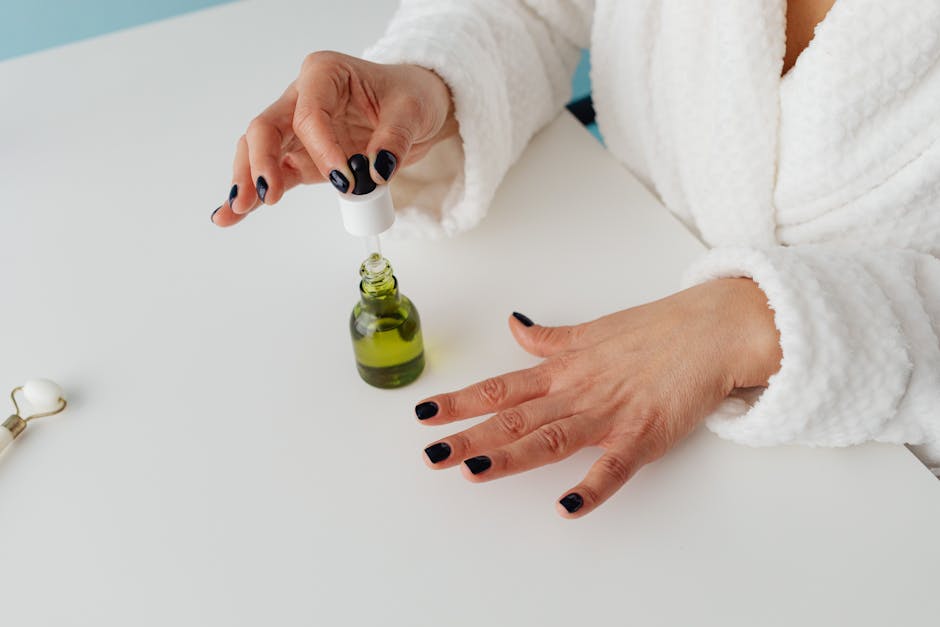
While serums are powerful, they are most effective when supported by a healthy physiological foundation. Hair is a non-essential tissue in the eyes of your body. If you are stressed, malnourished, or sleep-deprived, your body will divert nutrients away from your hair follicles to support vital organs. To maximize your serum’s potential, ensure your diet includes sufficient protein (the building block of keratin) and micronutrients like zinc, biotin, and iron.
Stress management is also a “fashion” and grooming essential. High levels of cortisol can push hair into the telogen (resting) phase prematurely, a condition known as telogen effluvium. If you are applying a $60 serum but living in a state of chronic high stress, you are essentially fighting a losing battle. Consider your hair growth journey as a holistic project that includes topical intervention, nutritional support, and lifestyle adjustments.
Managing expectations and identifying when serums won’t work
We need to be honest about the limitations of topical treatments. Serums are incredibly effective at maintaining what you have and thickening miniaturized hair. They are much less effective at regrowing hair on a completely bald patch. If your hair loss is caused by something other than male pattern baldness—such as a thyroid condition, extreme stress, or nutritional deficiencies—a growth serum will likely do nothing. In those cases, you are treating the symptom rather than the cause.
There is also the phenomenon of the “dread shed.” When you start a potent serum like Minoxidil, it can push follicles that were in the resting phase into the growth phase all at once. This causes the old, thin hairs to fall out to make room for new, thicker ones. Many men panic and stop using the product during this phase, which is the worst thing you can do. The shed is actually a sign that the medication is working. If you stop, you lose the progress and the hair that was destined to grow back may not. Patience in this process is not just a virtue; it is a biological requirement. If you haven’t seen a change after six months of religious use, that specific formula likely isn’t the right match for your biochemistry, and it may be time to consult a dermatologist about more aggressive options like PRP therapy or hair transplants.
Ultimately, the best hair growth serum for you is the one you will actually use every single day. A $100 serum sitting in the cabinet does nothing. A $20 serum applied with discipline every night can change the trajectory of your hair health for years to come. Look for the ingredients that match your scalp’s tolerance, pair them with a healthy scalp routine, and give the biology enough time to do its work. Hair density is a marathon, not a sprint, and consistency is the only way to reach the finish line.