You want to look like you woke up with balanced skin. Not like you spent 20 minutes hiding a flare-up. The problem with most no-makeup makeup advice is it assumes a blank, even canvas. Rosacea is not that canvas.
Redness, visible capillaries, texture from papules, and reactive flushing change the rules. Heavy foundation melts off irritated patches. Green correctors turn ashy if you use too much. And “just a little blush” is laughable when your cheeks already provide the color.
Here is the method that works. Not a product dump. A sequence. Five steps. Each one solves a specific rosacea problem without triggering the next flare.
The Prep Step Most People Skip (And Why It Fails Without It)
You cannot paint over inflamed skin and expect it to look like skin. The base has to be calm first. This is not optional.
Rosacea skin has a compromised moisture barrier. When that barrier is weak, water evaporates faster, irritants get in easier, and any makeup you apply sits on top of angry, dehydrated tissue. The result: patchy coverage by hour three and a deeper flush by hour five.
What to Do in the 10 Minutes Before Makeup
Start with a cool compress if you are actively flushing. Not ice-cold. That shocks the blood vessels and causes rebound redness. Use a cloth soaked in cool water, pressed gently for 60 seconds. This constricts capillaries without the trauma.
Then apply a moisturizer with centella asiatica or azelaic acid. Centella (also called cica or tiger grass) is the single most useful ingredient for rosacea prep because it reduces visible redness quickly. The Dr. Jart+ Cicapair Tiger Grass Cream is the heavy hitter here, but the La Roche-Posay Cicaplast Baume B5 works if you need something thicker. For a gel texture that disappears fast, try the Purito Centella Unscented Serum.
Wait. Let it absorb for at least five minutes. If you skip this wait, your next step pills and everything slides.
The Sunscreen Non-Negotiable
UV exposure is a top trigger for rosacea flares. But chemical sunscreens (avobenzone, oxybenzone) burn and sting rosacea skin. Use a mineral sunscreen with zinc oxide only. Zinc is also anti-inflammatory, so it does double duty.
The EltaMD UV Clear SPF 46 is the standard recommendation for a reason: it contains niacinamide, which helps calm redness over time. If you want zero white cast on medium to deep skin, the Colorescience Sunforgettable Total Protection Face Shield Flex SPF 50 has a tinted mineral base that blends well.
Do not skip sunscreen because you are staying inside. Windows let in UVA. Your rosacea does not care about your plans.
Color Correction Without the Green Face
Green corrector is the right tool. But most people use too much and apply it like foundation. That is how you get the gray-green cast that makes you look ill.
The rule: correct only the red zones. Not your whole face. Use a tiny amount — half a pea — and tap it with your ring finger only on the areas that are visibly red. Cheeks, around the nose, the center of the chin. Blend the edges outward.
| Corrector Type | Best For | Mistake to Avoid | Product Example |
|---|---|---|---|
| Green cream stick | Diffuse redness on cheeks | Swiping directly on face — melts too much product | Dr. Jart+ Cicapair Tiger Grass Color Correcting Treatment |
| Green liquid corrector | Small, precise red spots or broken capillaries | Using a brush — sheers out too thin | L.A. Girl Pro Conceal HD Concealer in Green |
| Yellow-toned corrector | Mild redness with warm undertones | Assuming yellow covers deep red — it does not | NYX Professional Makeup Color Correcting Palette |
My pick for most rosacea: the Dr. Jart+ Cicapair treatment. It is a green-to-beige cream that cancels redness and adapts to your skin tone. But use it sparingly. A full face of it looks thick and unnatural. Tap it only where you need it.
The Base: Skin Tint, Not Foundation
Full-coverage foundation is the enemy of no-makeup makeup. It masks redness but also erases every natural skin signal — pores, texture variation, the slight translucency of healthy skin. On rosacea, it also cakes around dry patches and slides off oily areas, leaving a patchwork mess by midday.
A skin tint or serum foundation gives you sheer-to-light coverage that lets your actual skin show through. The goal is not to make redness invisible. The goal is to tone it down to a believable flush.
How to Apply Without Irritating
Do not use a brush. Brushes physically exfoliate and irritate rosacea skin. Use a damp beauty sponge (the Beautyblender Original or the Real Techniques Miracle Complexion Sponge) and press, never swipe. Pressing deposits product without friction.
Start with one pump of the Ilia Super Serum Skin Tint SPF 40. It has squalane and hyaluronic acid, so it hydrates while it covers. For more neutral coverage without added fragrance, the Saie Slip Tint SPF 35 is the better choice — it is mineral-based and less dewy, which suits oily rosacea types.
If you need slightly more coverage on the nose and chin, add a second thin layer only there. Do not build it up everywhere. That defeats the purpose.
The Finish Rule: Powder Only Where You Crease

Do not set your whole face. Rosacea skin is often dry and textured, and powder over dryness looks like flour on sandpaper. It also settles into fine lines and makes flaking more obvious.
Set only the places that actually move: under the eyes, the sides of the nose, and the center of the forehead. That is it.
Use a finely milled, talc-free powder. The Kosas Cloud Set Baked Setting & Smoothing Powder is the best option for dry rosacea because it is pressed, not loose, and it does not mattify to a flat, dead finish. If you are oilier in the T-zone, the Laura Mercier Translucent Loose Setting Powder in the honey shade works, but apply with a small brush, not a puff. A puff deposits too much product.
Skip highlighter. Rosacea already has natural shine from inflammation. Adding shimmer on top of that looks greasy, not glowy. If you want dimension, use a cream bronzer like the Fenty Beauty Cheeks Out Freestyle Cream Bronzer in Butta Biscuit, applied only at the hairline and under the cheekbones. Keep it off the red zones.
The Two Mistakes That Undo Everything
You can do all five steps correctly and still ruin the look with two common errors.
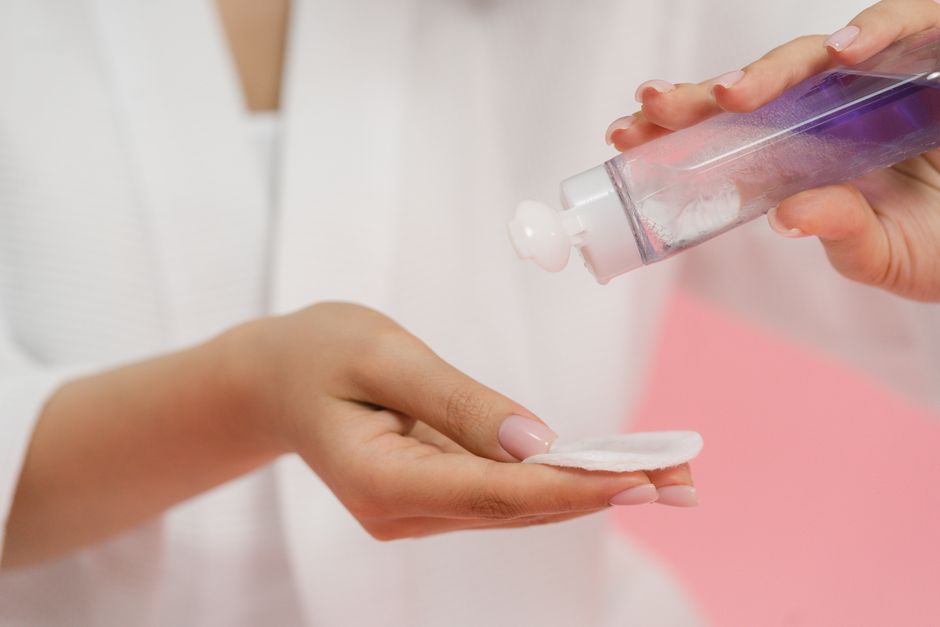
Mistake one: using a makeup remover that strips your barrier. Rosacea skin needs oil-based or balm cleansers that dissolve makeup without friction. Micellar water on a cotton pad is too abrasive when you have to scrub at stubborn tint. Use the Banila Co Clean It Zero Cleansing Balm or the Kose Softymo Speedy Cleansing Oil. Massage gently with fingertips, rinse with lukewarm water. Not hot. Hot water triggers flushing.
Mistake two: adding blush. You do not need it. Your rosacea is the blush. If you absolutely must add color to balance a tint that covered too much, use a cream blush in a muted rose tone like the Glossier Cloud Paint in Dusk. Apply it high on the cheekbones, away from the areas where you naturally flush. But honestly? Skip it. The whole point is to let your skin’s natural color do the work.
Here is the truth: no-makeup makeup with rosacea is not about hiding. It is about reducing the contrast between red zones and the rest of your face. If you chase full coverage, you will always look like you are wearing makeup. If you correct just enough, you look like you woke up with calm skin. That is the goal. That is the method.