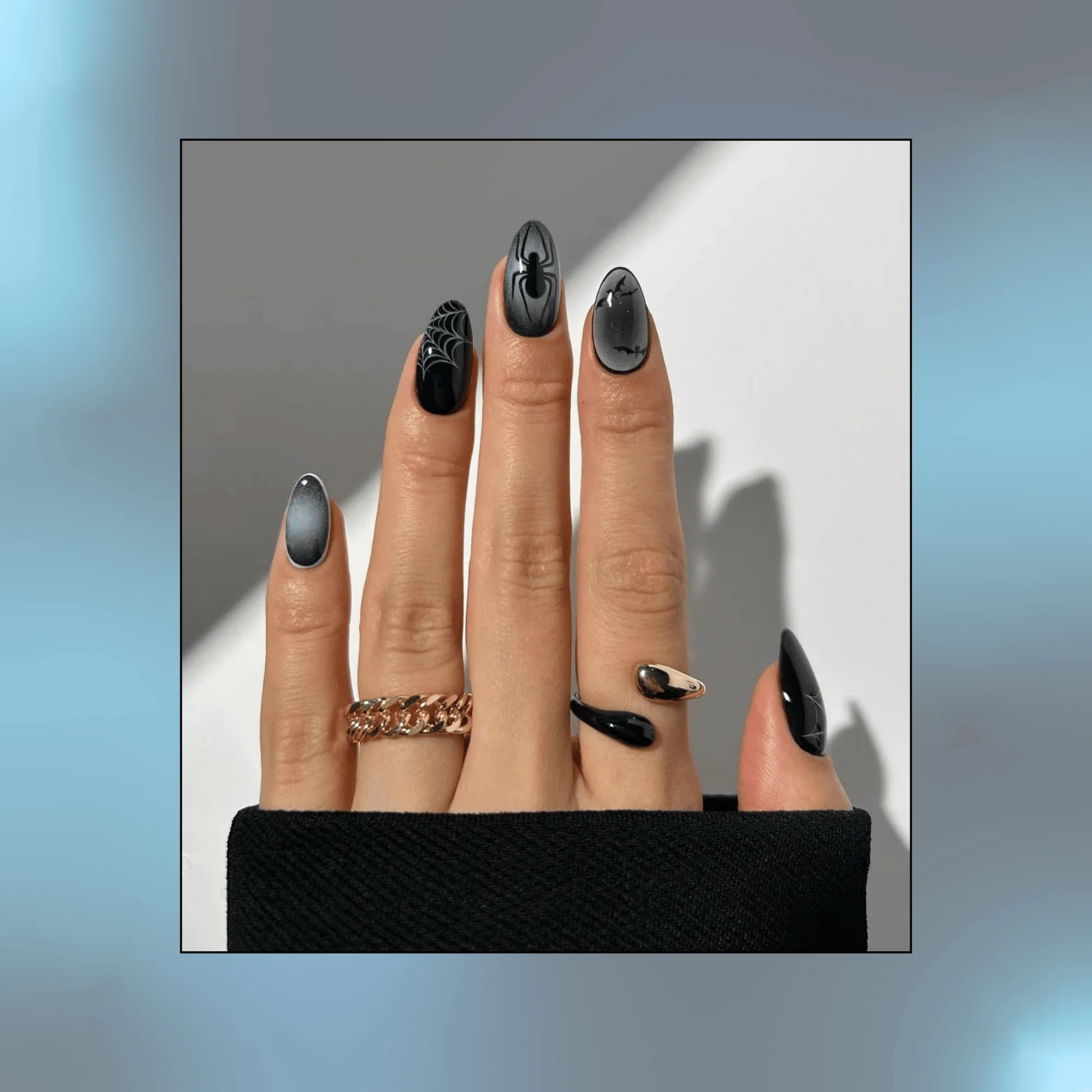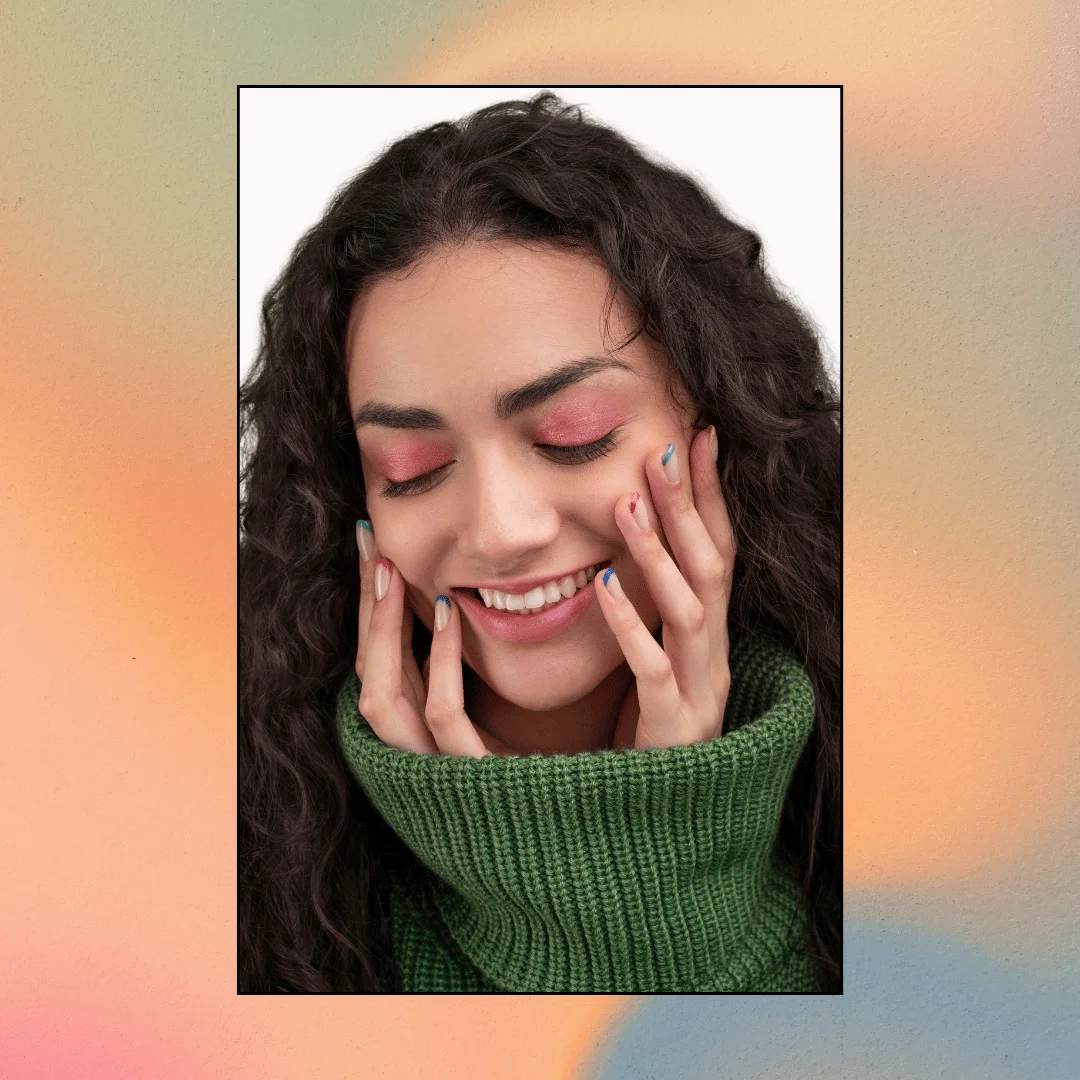
You spent two hours on a nail design from Pinterest. The colors matched. The tools were new. And yet — sitting across a dinner table — your nails looked busy. Cluttered. Not elegant at all.
That gap between elegant nail inspiration and what actually translates on real hands is where most people get stuck. Designs that read as sophisticated on a 6-inch screen rarely survive contact with real nail beds, real skin tones, and actual room lighting.
Most guides treat this as a color selection problem. It is not. Elegant nails are determined before a single coat of polish touches your hand — by shape, restraint, and finish quality.
Why Most Elegant Nail Looks Fail Before the Polish Even Opens
Nail elegance is a proportion problem, not a color problem.
The designs that consistently look polished share three characteristics: the correct nail shape for the hand, properly prepped nail surfaces, and a restrained design with built-in structure. Miss any one of these and the prettiest color in the world cannot save the result.
Nail Shape Sets the Elegance Ceiling
Shape controls how a nail reads before any design is applied. Square nails with sharp corners read as aggressive in formal contexts. Round nails can edge toward dated depending on current trends. The two shapes that consistently read as sophisticated across hand types and nail lengths are soft square (squoval) and almond.
Almond — narrowed toward a slightly pointed tip — visually elongates the finger and creates a natural canvas for minimalist designs. It dominates editorial nail content because it adds perceived length even on medium nail beds. The shape transforms how an entire hand reads at a glance.
Squoval softens the square corners just enough to look intentional rather than unfinished. It works at any nail length and reads as professional in any setting. Coffin (ballerina) shape requires length to land correctly — on short nails, it looks wide and blunt. Stiletto reads as costume in most real-world contexts, not elegant.
File to squoval or almond before anything else. A well-shaped nail in plain nude reads more polished than a complex design applied to a poorly shaped one.
The Surface Prep Step Most Tutorials Skip
Base coat creates the surface that polish bonds to rather than slides across. Skip it and color pools at the edges, distributes unevenly, and chips within days. Use it correctly and you get sharper edges, more uniform color, and significantly extended wear.
After filing, wipe each nail with a dry cotton pad before applying base coat. Filing dust and residual skin oil left on the surface cause bubbling and early peeling — two things that instantly destroy any impression of elegance regardless of the design chosen.
One thin coat. Sixty seconds of drying time. Then color. The process is not complicated, and the difference is not subtle.
Seven Elegant Nail Designs — What Each One Actually Demands
Before committing to a design, know what you are signing up for. These seven styles consistently produce elegant results, but they each require different tools and skill levels. Choose based on your actual ability, not your aspirations.
| Design Style | Skill Level | Time Required | Best Context | Starting Product |
|---|---|---|---|---|
| Classic French Tip | Beginner | 30 min | Weddings, offices, daily wear | OPI Funny Bunny + Alpine Snow |
| Negative Space (geometric) | Intermediate | 45 min | Modern events, editorial looks | Striping tape + Essie Blanc |
| Monochrome Taupe or Greige | Beginner | 20 min | Daily wear, year-round versatile | Zoya Lena or OPI Bubble Bath |
| Thin Gold Line Art | Intermediate | 60 min | Events, occasions, date nights | Born Pretty nail art liner ($8 set) |
| Sheer Blush Ombre | Intermediate | 50 min | Romantic events, spring occasions | OPI Bubble Bath blended into Funny Bunny |
| Glazed Milky Chrome | Beginner | 25 min | Trending neutral, highly versatile | Sally Hansen Miracle Gel Whiteout ($12) |
| Single Accent Nail | Beginner | 20 min | Adds interest without complexity | Olive & June Tiny Brush set ($12) |
The standout for consistent results is monochrome taupe or greige. A single-color neutral reads more expensive than nearly any multi-element design — with a fraction of the effort. Zoya Lena (a dusty taupe, $10) and OPI Bubble Bath (a sheer rosy nude, $11) are the most reliably flattering options across skin tones, and both require zero technical skill to apply cleanly.
Negative space earns its intermediate rating honestly. With clean tape lines, it looks architectural and deliberate. Attempted freehand, it reads as incomplete. Do not try negative space without striping tape — the difference between intentional and unfinished lives entirely in the precision of those edges.
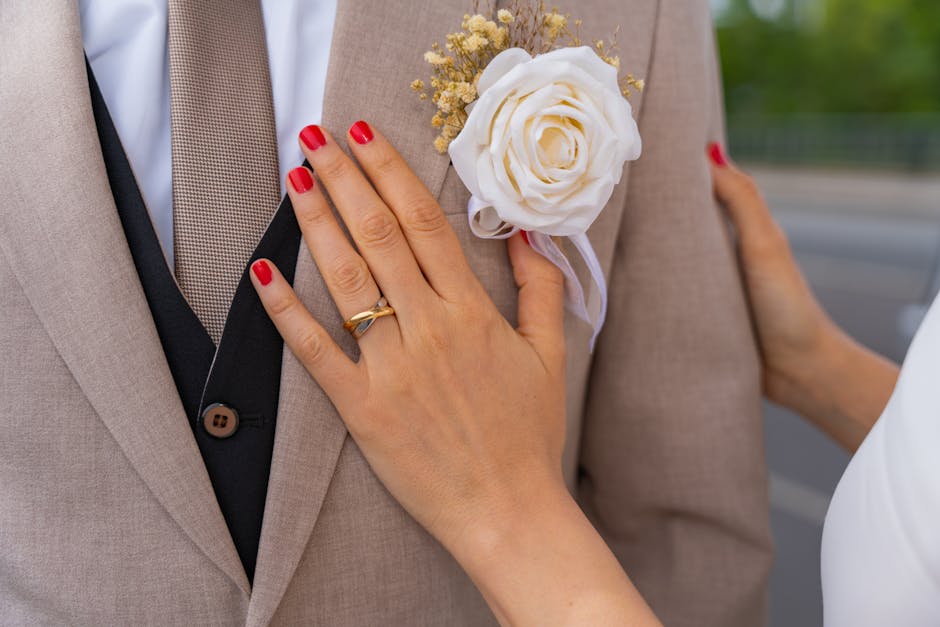
The French tip earned its longevity. Updated with a thinner smile line, a more sheer white, and an almond shape, it reads current rather than dated. The OPI combination of Funny Bunny as the base and Alpine Snow for the tip is still the most replicated French tip formula in nail tutorials, and it works for a reason.
The Color Rule That Cuts Through Every Bad Nail Decision
Two tones maximum. At least one must read as neutral.
Gold line on nude: elegant. Sheer red tip on clear: elegant. Three coordinated colors applied simultaneously: almost always busy. When you are uncertain about a design direction, remove a color — never add one to resolve the confusion.
Four Techniques That Separate Clean Results From DIY-Looking Ones
Most tutorials show you the finished look without addressing the specific execution decisions that determine whether you actually get there. These four techniques cover that gap directly.
- Always use thin coats. Two thin coats consistently outperform one thick application. Thick polish pools at nail edges, bubbles as it dries, and shrinks unevenly as it cures. Each coat should look semi-translucent when wet. OPI Bubble Bath requires three thin coats to reach its true color — that is correct usage, not a product flaw. Building coverage slowly also makes cleanup easier because bleeding is less severe at the cuticle line.
- Cap the free edge after every coat. Drag the brush lightly across the very tip of the nail after applying each layer. This seals the edge and extends wear time significantly. Skipping this step is the primary reason elegant manicures start chipping at day two rather than day seven. It takes five seconds per nail and most guides never mention it.
- Use a dedicated detail brush for any line work. The Olive & June Tiny Brush ($12) is the most accessible entry point for fine detail. For gold or silver accents specifically, a striping brush — Born Pretty sells a multi-piece set for approximately $8 — gives control that a standard bottle brush physically cannot deliver. Attempting line art with a regular brush produces results that look exactly like what they are: the wrong tool applied to the wrong task.
- Treat cleanup as the final step, not an afterthought. A fine brush dipped in 100% acetone removes edge bleeds and cuticle contact errors — the small imperfections that turn careful work into something that reads as messy. After acetone cleanup, apply cuticle oil immediately. It hydrates the surrounding skin and adds the finished quality at the cuticle line that separates professional results from home ones. Any penetrating oil works; consistency matters more than brand here.
Build skills progressively. Get the French tip clean first. Then attempt line work. Elegant nail art rewards deliberate practice far more than ambition applied before the basics are solid.
Which Products Actually Deliver — and What to Skip Entirely
The highest-leverage purchase in nail care is topcoat, not color. Most people get this completely backwards.
Topcoat determines longevity, finish depth, and daily wear resistance. A mediocre color under an excellent topcoat consistently outperforms an expensive color under a standard drugstore finish. The quality leverage in any manicure sits almost entirely in the final layer applied.
Seche Vite Dry Fast Top Coat ($9) is the clear recommendation. It sets to a hard finish in approximately five minutes, adds visible depth and glass-like gloss to whatever color sits underneath, and resists chipping better than most salon-brand options at three times the price. One known behavior: the formula thickens as the bottle ages. Add a few drops of Seche Restore to correct consistency — do not thin it with acetone, which alters the formula and reduces durability.
Drugstore Picks That Perform Beyond Their Price
Essie Ballet Slippers ($10) has been in continuous production since 1982 — not through marketing momentum but because nothing else has matched it. It is a pale, sheer pink that reads more flattering across a wider range of skin tones than the bottle color suggests. Two coats over a sticky base coat, sealed with Seche Vite, produces a genuinely elegant manicure for under $30 total.
Sally Hansen Miracle Gel in Whiteout ($12) delivers the glazed milky chrome finish without a UV lamp. It does not last as long as soak-off gel, but the finish is convincing enough for events and occasional wear without the equipment investment.
For gel at home: Gelish Soak-Off Gel Polish ($17 per bottle) paired with any 36-watt LED lamp produces results close enough to professional that the remaining gap stops mattering after the first week of wear. Fourteen days with zero chipping is realistic on well-prepped nails with correct base coat application.
The Product Category That Actively Works Against Elegant Results
Nail art stickers create a visible seam edge that catches light and reads as applied under direct lighting — exactly the condition you are in during any face-to-face interaction. The boundary where a sticker ends is always detectable at close range. For playful or casual designs, they are fine. For anything aiming at elegance, skip them entirely. The seam undermines the look every time.
When Elegant Nail Art Goes Wrong — and the Specific Fixes
Why does a French tip look thick and artificial?
The white is too opaque and positioned too high on the nail bed. Traditional French tips use a sheer or pale white — not a bright stark white — applied in a single thin coat. The smile line sits 1–2mm from the free edge, not higher. Any wider or further up reads as fake regardless of how careful the application was.
French tip guides (adhesive placement stickers) solve the smile line consistency problem reliably. Apply the guide, paint the tip in one thin stroke of OPI Alpine Snow, and peel the guide immediately — do not wait for the coat to dry first. Clean any bleeding with a fine acetone brush before topcoat goes on.
Why does negative space look unfinished rather than intentional?
Freehand curves almost always read as accidents. The fix is strict geometry: use striping tape to create clean borders and plan the exposed area shape on paper before touching the nail. The negative space should be a recognizable geometric form — a diagonal strip, a half-moon, a clean straight line — not an irregular gap that could be a mistake or incomplete coverage.
Why do nails look polished in photos but not under real lighting?
Photography compresses texture and conceals surface roughness. Under direct light, edge imperfections and inconsistencies become visible. A high-gloss gel topcoat — Gelish Top It Off ($14) is the reliable standard — creates a smooth reflective surface that minimizes texture variation and produces the glass finish that reads as professional in person, not just in filtered photos.
Cuticle condition matters as much as the design itself. Dry or ragged cuticles undermine any manicure regardless of how carefully the nail art was executed. Thirty seconds of cuticle oil daily makes the visible difference between a manicure that looks maintained and one that looks like it is wearing off — independent of design quality entirely.
For everyday elegant nails with the lowest technical risk and the most consistent results, the combination of squoval shape, Zoya Lena or Essie Ballet Slippers in three thin coats, and Seche Vite on top hits the mark reliably. Less effort, less cleanup, more polish.