
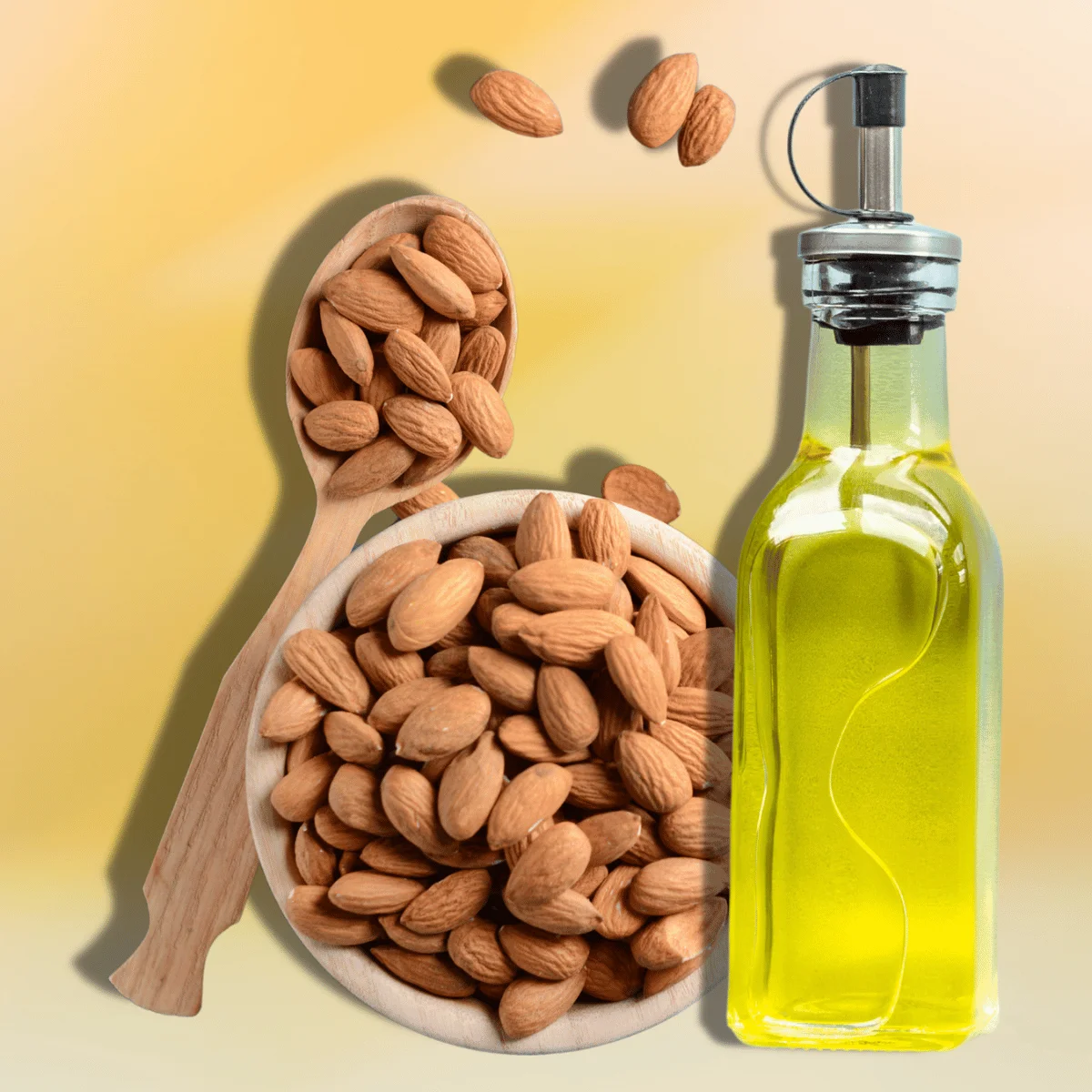
You can buy almond oil at any drugstore for $8–$15 per 4 oz bottle. But most of those bottles sit on shelves for months before you open them. By the time you use them, the oil has already started oxidizing. Making it yourself at home gives you full control over freshness, purity, and cost — roughly $4–$6 per 4 oz if you buy almonds in bulk.
This guide covers two proven methods: cold-pressing (no heat, maximum nutrients) and oil infusion (easier, uses kitchen tools). No blender explosions, no burnt batches. Just clean oil that stays good for 6–8 months.
Why Bother Making Almond Oil At Home?
Store-bought almond oil isn’t bad. But it comes with compromises you don’t see on the label.
Commercial almond oil is often hexane-extracted. Hexane is a petroleum solvent used to squeeze out more oil from the almonds. The FDA allows trace amounts in food-grade oils. The European Union caps it at 1 mg/kg. You’re not getting poisoned, but you’re also not getting pure oil.
Then there’s the freshness problem. Almond oil has a shelf life of about 6–12 months when stored properly. Most bottles at retail have already been in transit and on shelves for 3–4 months before you buy them. You’re losing a third of the usable life before you even open the cap.
Home-made oil solves both problems. You know exactly what’s in it (almonds, nothing else). And you control when it’s made. If you press oil today, it’s at peak freshness for the next six months.
The tradeoff is effort. Cold-pressing takes about 30–45 minutes of active work. Infusion takes 2–3 weeks of passive waiting. Neither is hard, but it’s not as convenient as clicking “buy now.”
Method 1: Cold-Pressed Almond Oil (Max Nutrient Retention)
Cold-pressing means crushing almonds and separating the oil without applying heat above 120°F (49°C). Heat destroys vitamin E and other antioxidants. Cold-pressed oil retains roughly 90–95% of the almond’s natural vitamin E content, compared to about 50–60% in heat-extracted oils.
You need two things: a mechanical press or a heavy-duty mortar and pestle. A $40–$60 manual oil press from Amazon works. So does a $20 granite mortar and pestle, but that takes longer and yields less oil.
Step 1: Prep the Almonds
Start with raw, organic almonds. Roasted almonds lose oil content during roasting. Salted almonds introduce impurities. Spend $6–$8 per pound at a bulk store or online. One pound of almonds yields roughly 4–5 ounces of oil (about 25–30% yield).
Soak the almonds in filtered water for 8–12 hours. This softens the cell walls and increases oil yield by about 15–20%. Drain them and spread on a clean towel for 2–3 hours until surface-dry. They should feel slightly damp but not wet.
Step 2: Crush and Press
If using a manual press: feed almonds into the hopper. Turn the crank steadily. Oil will drip out from the bottom. Collect it in a dark glass jar. The leftover almond meal comes out the side — save it for baking or face scrubs.
If using a mortar and pestle: grind almonds in small batches (about ¼ cup at a time). Grind until they form a thick paste, about 5–7 minutes per batch. Transfer the paste to a clean cheesecloth or nut milk bag. Twist the cloth tightly over a bowl to squeeze out the oil. This method yields about 2–3 ounces per pound of almonds — less efficient but works with basic tools.
Step 3: Filter and Store
Pour the oil through a fine-mesh strainer lined with a coffee filter. This removes almond sediment that can go rancid faster than the oil itself. Transfer to a dark amber or cobalt blue glass bottle. Clear glass lets in UV light, which accelerates oxidation.
Store in a cool, dark cupboard. Not the refrigerator — cold causes almond oil to cloud and thicken, but it doesn’t damage it. If you refrigerate, let it sit at room temperature for 30 minutes before use.
Method 2: Infused Almond Oil (Easier, No Special Equipment)
Infusion doesn’t extract oil from almonds. Instead, it uses a carrier oil to pull the almond’s beneficial compounds into solution. The result isn’t pure almond oil — it’s a blend. But for skincare purposes, it works just as well.
You need: dried almonds (chopped), a carrier oil, a mason jar, and patience.
Choosing a Carrier Oil
Use an oil that’s already stable and neutral. Jojoba oil ($12–$18 per 8 oz) mimics human sebum and doesn’t go rancid quickly. Fractionated coconut oil ($10–$15 per 8 oz) stays liquid at room temperature and has a 2+ year shelf life. Grapeseed oil ($6–$10 per 8 oz) is cheaper but only lasts 3–6 months.
Avoid olive oil — it has a strong smell that overpowers the almond. Avoid vegetable oil — it’s often refined with chemicals.
Infusion Process
Chop ½ cup of raw almonds into small pieces. Not powder, just small chunks — about the size of rice grains. Place them in a clean, dry mason jar. Pour in 1 cup of carrier oil. The almonds should be fully submerged.
Seal the jar and place it in a warm spot — a sunny windowsill works, but direct sunlight can degrade the oil. A better option: place the jar in a slow cooker filled with 2 inches of water, set to “warm” (about 100–110°F). Leave it for 2–3 weeks, shaking gently every 2–3 days.
After 3 weeks, strain through a cheesecloth or fine strainer. Discard the almond pieces. The oil will have a light almond scent and a pale yellow color. It’s ready to use immediately.
Cold-Pressed vs. Infused: Which Should You Make?
| Factor | Cold-Pressed | Infused |
|---|---|---|
| Active time | 30–45 minutes | 15 minutes prep + 3 weeks waiting |
| Equipment cost | $20–$60 (press or mortar) | $0 (uses kitchen tools) |
| Vitamin E content | ~25 mg per tablespoon | Depends on carrier oil (typically 0–5 mg) |
| Shelf life | 6–8 months | 12–18 months (if stable carrier oil used) |
| Best for | Facial oil, hair masks, internal use | Body lotion, massage oil, bath blends |
If you want maximum skincare benefits and don’t mind buying a press, go cold-pressed. The higher vitamin E content makes a real difference for skin repair and moisture retention. If you want something simple that uses what you already have, infused oil is perfectly fine for general moisturizing.
3 Mistakes That Ruin Homemade Almond Oil
I ruined my first three batches. Here’s what went wrong so you skip the learning curve.
Mistake 1: Using Old Almonds
Almonds themselves go rancid. If you taste an almond and it has a bitter or “off” flavor, don’t use it. That bitterness means the fats have already oxidized. Oil from those almonds will smell like crayons and may irritate your skin. Always taste-test a few almonds before buying in bulk.
Mistake 2: Skipping the Filter
Sediment in the oil looks harmless. But those tiny almond particles are a breeding ground for bacteria and mold. Within 2–3 weeks, they’ll turn the oil cloudy and sour. Filtering through a coffee filter removes 99% of particles. Don’t skip this step.
Mistake 3: Storing in Clear Plastic
Plastic bottles leach chemicals into oil over time — especially if the oil contains any heat from pressing. Clear plastic also lets in light. Use dark glass. A pack of 6 amber Boston round bottles costs about $10 on Amazon. That’s a one-time investment that keeps your oil fresh 2–3x longer than plastic.
When You Should NOT Make Your Own Almond Oil
Homemade oil isn’t always the right call. Here are three situations where buying is smarter.
You need high heat stability. Homemade almond oil has a smoke point around 420°F (215°C). That’s fine for sautéing, but not for deep frying. If you’re cooking at high temperatures, buy refined almond oil — it has a higher smoke point (495°F) and won’t burn as easily.
You have a nut allergy in the house. Almond oil is tree nut oil. If anyone in your home has a tree nut allergy, even trace amounts can trigger a reaction. Store-bought almond oil from reputable brands (like Now Solutions or La Tourangelle) is processed in dedicated facilities and labeled clearly. Homemade has no such guarantees.
You’re on a tight budget. Making your own oil costs $6–$8 per pound of almonds. That yields about 4–5 ounces of oil. Store-bought sweet almond oil from brands like NOW Foods or Sky Organics costs about $8–$12 for 16 ounces — roughly half the price per ounce. If cost is your main concern, buying is cheaper.
How To Tell If Your Oil Has Gone Bad
Fresh almond oil smells like mild marzipan — sweet, nutty, subtle. Rancid oil smells like old peanuts or wet cardboard. If you smell anything sharp or bitter, toss it.
Look for cloudiness. Fresh oil is clear with a slight yellow tint. If it turns cloudy or develops floating particles, that’s microbial growth. Don’t use it.
Test the texture. Fresh oil feels smooth and absorbs into skin within 2–3 minutes. Rancid oil feels greasy and sits on top of the skin. It won’t absorb properly because the molecular structure has broken down.
One more test: rub a drop between your fingers. If it feels sticky or tacky instead of slick, it’s past its prime.
Homemade almond oil stored properly in a dark glass bottle in a cool cupboard lasts 6–8 months. Write the pressing date on the bottle with a permanent marker. If you haven’t used it by month 7, toss it and make a fresh batch.