You’ve tried three different brightening serums. Your dark spots are still there. Maybe a little lighter, maybe not. The problem isn’t that Korean skincare doesn’t work for hyperpigmentation. The problem is that most people pick the wrong ingredients for their specific type of discoloration.
Melasma, post-inflammatory hyperpigmentation (PIH) from acne, and sun spots all respond to different things. A product that fades acne scars can make melasma worse. This article cuts through the marketing and tells you exactly which ingredients target which spots, what order to apply them, and where most people waste money.
The Three Types of Hyperpigmentation — And Why It Matters
Hyperpigmentation is not one condition. Treating all dark spots the same way is like using the same key for three different locks. Here is the breakdown.
Post-Inflammatory Hyperpigmentation (PIH)
This is the flat brown or purple mark left after a pimple heals. It sits in the upper layers of skin. PIH responds fastest to treatment because it is closer to the surface. Ingredients like vitamin C and niacinamide work well here. Expect visible fading in 4-8 weeks with consistent use.
Melasma
Melasma is hormonal. It shows up as larger, symmetrical patches on the cheeks, forehead, or upper lip. It goes deeper into the skin. Melasma is stubborn. It can get darker with heat, not just UV light. Tranexamic acid and azelaic acid are the most effective ingredients here. Do not use strong exfoliants on melasma without a dermatologist — they can make it worse.
Sun Spots (Solar Lentigines)
These are the small, round, tan-to-brown spots that show up after years of sun exposure. They sit in the epidermis. Arbutin and kojic acid are the standard ingredients. Sun spots require the longest treatment time — often 3-6 months of daily sunscreen and targeted serums before you see real change.
Bottom line: Identify your spot type before buying anything. The wrong ingredient for your type = zero results for 3 months.
Ingredient Cheat Sheet: Which Korean Skincare Compounds Actually Work
Korean skincare brands use a specific set of brightening ingredients. Here is what each one does, how fast it works, and which products deliver them effectively.
| Ingredient | Best For | Time to Visible Results | Common Korean Product Example |
|---|---|---|---|
| Vitamin C (L-Ascorbic Acid) | PIH, general brightness | 4-6 weeks | Some By Mi Yuja Niacin Brightening Serum |
| Niacinamide (Vitamin B3) | PIH, redness, barrier repair | 6-8 weeks | Beauty of Joseon Glow Serum (2% niacinamide + arbutin) |
| Tranexamic Acid | Melasma, stubborn PIH | 8-12 weeks | Missha Time Revolution Night Repair Ampoule |
| Arbutin (Alpha or Beta) | Sun spots, general dark spots | 6-10 weeks | Isntree Green Tea Fresh Toner (contains arbutin) |
| Azelaic Acid | Melasma, acne + pigmentation | 8-12 weeks | The Ordinary Azelaic Acid Suspension 10% (not Korean but widely used in K-beauty routines) |
Note: Higher percentage does not mean faster results. 10% vitamin C works as well as 20% for most people, with less irritation. Pick a stable formulation, not the strongest one.
The 5-Step Korean Routine That Targets Dark Spots
You do not need 12 steps. For hyperpigmentation, the order matters more than the number of products. This is the sequence that maximizes absorption and minimizes irritation.
Step 1: Double Cleanse (Oil + Water)
Sunscreen and makeup block active ingredients from penetrating. An oil cleanser like the Banila Co Clean It Zero dissolves sunscreen. Follow with a water-based cleanser like COSRX Low pH Good Morning Gel Cleanser. This takes 60 seconds and directly increases how much of your treatment serum gets into the skin.
Step 2: Exfoliate (2-3 Times Per Week)
Dead skin cells create a barrier. Without exfoliation, your brightening serum sits on top of the skin. Use a gentle chemical exfoliant like Some By Mi AHA BHA PHA 30 Days Miracle Toner. Do not exfoliate every day — that damages the barrier and makes pigmentation worse.
Step 3: Treatment Serum
This is where your active ingredient goes. Apply 3-4 drops to damp skin. Damp skin absorbs 3x more product than dry skin. Use your chosen ingredient from the table above. Do not layer multiple actives — pick one and use it consistently for 8 weeks before switching.
Step 4: Moisturizer
A damaged barrier produces more melanin. A simple moisturizer like Illiyoon Ceramide Ato Concentrate Cream supports the barrier and prevents irritation from actives. Do not skip this step even if your skin feels oily.
Step 5: Sunscreen (Non-Negotiable)
Without sunscreen, every other step is wasted. UV light triggers melanin production. Use a Korean sunscreen with SPF 50+ PA++++ like Beauty of Joseon Relief Sun. Apply 1/4 teaspoon for your face. Reapply every 2 hours if you are outside.
One more thing: Wait 30 seconds between each step. Rushing the routine reduces absorption by about 40%.
Three Mistakes That Keep Your Dark Spots From Fading
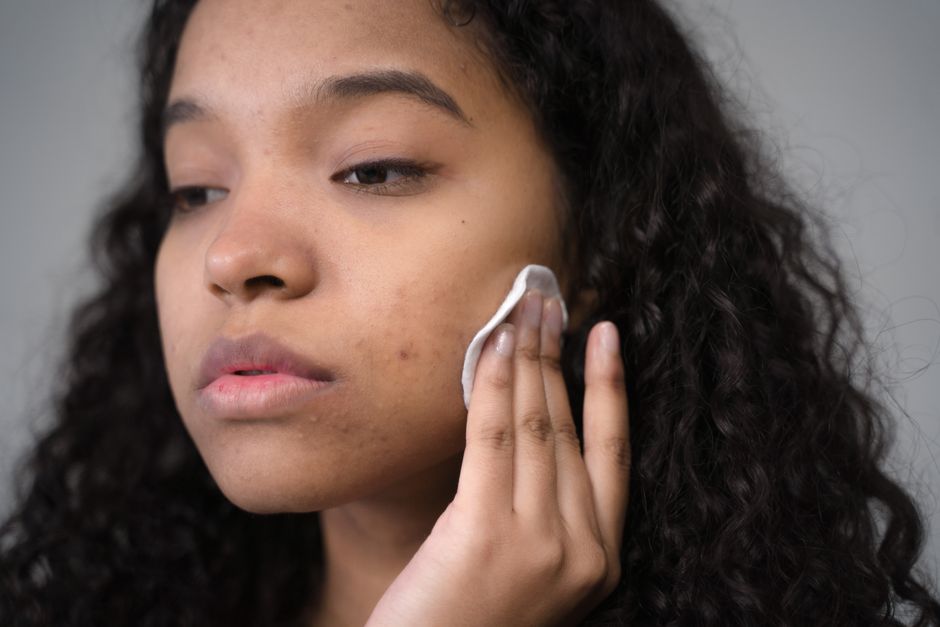
Most people who “tried Korean skincare and it didn’t work” made one of these three errors. Avoid them and your results will change.
Mistake 1: Skipping sunscreen on cloudy days. UV light penetrates clouds. 80% of UV rays reach your skin even when it is overcast. If you use a brightening serum but skip sunscreen, you are actively making your spots darker while trying to fade them.
Mistake 2: Using too many actives at once. Layering vitamin C, retinol, AHA, and niacinamide in the same routine is a recipe for a damaged barrier. Red, irritated skin produces more melanin as a defense mechanism. Your dark spots get darker. Stick to one active per routine for at least 8 weeks.
Mistake 3: Stopping after 3 weeks. Melanin production cycles take 28 days minimum. If you stop a product after 3 weeks because you “don’t see results,” you are quitting right before it would start working. Commit to 8 weeks of consistent use before evaluating any product.
5 Korean Skincare Products for Hyperpigmentation That Deliver
These are not guesses. These products have been tested by thousands of users and have published ingredient lists that match what the research says works.
1. COSRX Vitamin C 23 Serum
23% pure vitamin C in a stabilized formula. Works best for PIH from acne. Some users report stinging on application — that is normal. Apply every other day for the first 2 weeks. Price: around $18-22 for 20ml. Lasts about 6 weeks with daily use.
2. Beauty of Joseon Glow Deep Serum
2% niacinamide + alpha-arbutin. This is a gentle option for people with sensitive skin or melasma. No irritation reported in most users. Takes 6-8 weeks to show results. Price: around $14-18 for 30ml.
3. Missha Time Revolution The First Treatment Essence 5X
Contains fermented ingredients that support skin turnover. Not a direct brightener, but it improves how well your other products work. Use it as a toner before your serum. Price: around $35-45 for 150ml. Lasts 3-4 months.
4. Some By Mi Yuja Niacin Brightening Serum
Vitamin C from yuja (Korean citrus) plus niacinamide. This combination targets both PIH and overall dullness. Lighter texture than the COSRX option — better for oily skin. Price: around $16-20 for 30ml.
5. Sulwhasoo First Care Activating Serum
Luxury option. Contains ginseng and other herbal extracts that support skin repair. This is not a direct pigment-fader. It improves the skin’s ability to repair itself, which indirectly helps hyperpigmentation. Price: around $60-75 for 60ml. Worth it if your skin barrier is damaged from over-exfoliation.
My pick: For most people with PIH, the COSRX Vitamin C 23 Serum is the best value. For melasma, start with the Beauty of Joseon Glow Deep Serum and add tranexamic acid after 8 weeks if needed.
When to See a Dermatologist — And When to Save Your Money
Korean skincare can handle most cases of PIH and mild sun spots. But there are situations where no serum will work and you need professional treatment.
See a dermatologist if:
- Your dark spots are raised, itchy, or changing shape (could be skin cancer — do not ignore this)
- You have melasma that covers more than 25% of your face
- You have tried consistent routine for 12 weeks with zero change
- Your skin is constantly red or irritated from products
Save your money if:
- You are buying a $70 serum but still using SPF 15 — fix the sunscreen first
- You are buying 4 different brightening products at once — you will not know which one works
- You expect results in 2 weeks — hyperpigmentation takes months, not days
Professional treatments like chemical peels, laser therapy, or prescription hydroquinone work faster than any serum. But they cost $200-500 per session and require downtime. Korean skincare is the slower, cheaper, lower-risk alternative.
Final Takeaway: Your Routine Matters More Than Any Single Product
The single most important thing you can do for hyperpigmentation is wear SPF 50+ every single day. Nothing else comes close. After that, pick one active ingredient based on your spot type, use it consistently for 8 weeks, and do not add anything else until you know whether it works. That is the entire strategy.