
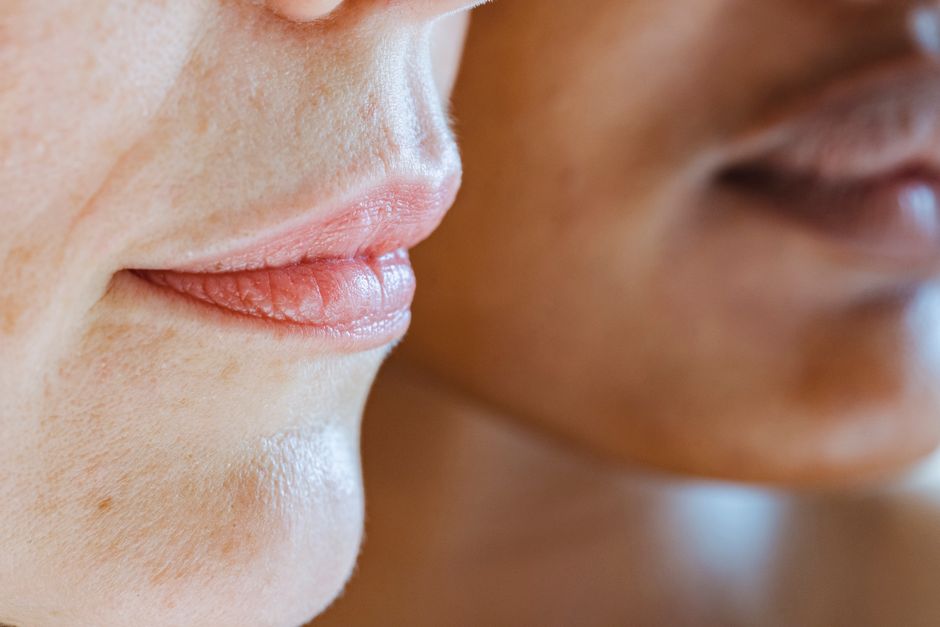
Hormonal chin acne doesn’t respond to the same stuff as forehead blackheads or cheek whiteheads. That’s the first thing I had to accept. The second thing: no single product fixes it. You need a system that targets the hormone-driven oil spike, not just the bacteria on the surface.
I spent two years throwing random spot treatments at deep, painful bumps along my jawline. Some dried out the top layer. None stopped the next cycle. What finally worked was a 4-step routine that cost under $45 total and took about 8 weeks to show real change. Here’s the exact breakdown.
The Core Problem: Why Chin Acne Keeps Coming Back
Chin and jawline acne in adult women is almost always hormonal. It flares up in the 7–10 days before your period. The bumps sit deep under the skin, hurt when you press on them, and rarely come to a head that you can actually extract. They leave dark marks that linger for months.
The mechanism is simple. Progesterone rises in the luteal phase. That triggers sebum production. Dead skin cells at the opening of the pore get sticky. The pore clogs. Cutibacterium acnes (the bacteria that lives on everyone’s skin) multiplies in the oxygen-free environment. Inflammation follows. That’s the red, swollen, painful bump you feel before you see it.
This matters because it changes what products make sense. Salicylic acid helps with surface congestion. It does almost nothing for a deep, inflamed nodule that formed five days ago under the skin. You need ingredients that either prevent the clog from forming in the first place or reduce the inflammatory response once it’s there.
What Doesn’t Work for Hormonal Chin Acne
Drying toners with high alcohol content. Harsh physical scrubs. Popping or squeezing. Pimple patches on unopened bumps. All of these either strip the barrier and trigger more oil production, or push the inflammation deeper. I wasted months on all of them.
Step 1: The Right Cleanser (And Why Most Are Wrong)
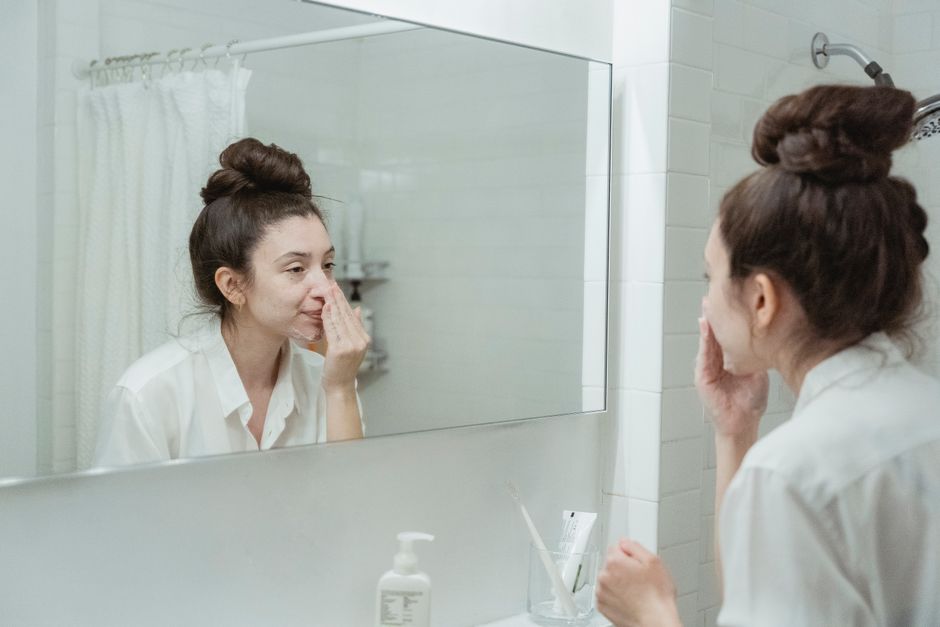
I used to wash my face with whatever foaming cleanser was on sale. Big mistake. Foaming cleansers with sulfates strip the skin barrier. When your barrier is compromised, your skin overproduces oil to compensate. That’s the exact opposite of what you want with hormonal acne.
The fix is boring but it works: a gentle, non-foaming or low-foam cleanser used twice a day. CeraVe Hydrating Facial Cleanser ($14.99 for 16 oz at Target) is the default pick for a reason. It has ceramides and hyaluronic acid. It doesn’t leave your face feeling tight. If you wear heavy makeup, use it as a second cleanse after an oil-based first step like Garnier SkinActive Micellar Cleansing Water ($8.99).
Twice a week, swap in a benzoyl peroxide cleanser. PanOxyl Acne Foaming Wash 4% Benzoyl Peroxide ($9.97 at Walmart) is the one I use. Leave it on for 60–90 seconds before rinsing. This short-contact method kills bacteria without the irritation of a leave-on BP product. Do not use it the same night as retinoid (more on that in Step 3).
Cleanser Verdict
Morning: CeraVe Hydrating Cleanser. Night: same, unless it’s a BP wash night. That’s it. Stop buying cleansers with “acne-fighting” claims that are really just stripping your face.
Step 2: The Active Ingredient That Actually Prevents Cysts
Here’s the product that did more heavy lifting than anything else: Differin Adapalene Gel 0.1% ($15.99 for 15g at CVS). It used to be prescription-only. Now it’s on the shelf next to the Cetaphil. Adapalene is a retinoid. It works by normalizing how fast your skin cells turn over. Dead cells don’t stick around to clog the pore. The pore doesn’t clog. The cyst never forms.
The catch: it takes 8–12 weeks to see results. You’ll likely purge for the first 2–4 weeks. That means more small breakouts in areas where you normally get acne. This is not a reason to stop. It’s the retinoid pushing out clogs that were already forming under the surface.
Start slow. Apply a pea-sized amount to dry skin every third night for two weeks. Then every other night for two weeks. Then every night if your skin tolerates it. Use only at night. Always follow with moisturizer.
How to Layer Differin Without Wrecking Your Skin
The “retinoid sandwich” method saved me. Moisturizer first, let it dry for 10 minutes, then Differin, then another thin layer of moisturizer. This buffers the irritation without significantly reducing efficacy. Use a basic moisturizer with no actives. Vanicream Daily Facial Moisturizer ($12.97) or Cetaphil Moisturizing Lotion ($11.49) both work.
Step 3: The Spot Treatment You Use the Second You Feel a Bump

This is where most people go wrong. They wait until the bump is big, red, and painful. Then they pile on a 10% benzoyl peroxide spot treatment and wake up with a chemical burn.
The right move: the moment you feel that deep, sore twinge under the skin — before you can even see it — apply a small dot of La Roche-Posay Effaclar Duo ($22.99 at Ulta) or Neutrogena On-the-Spot Acne Treatment 2.5% Benzoyl Peroxide ($7.49). The 2.5% concentration is as effective as 10% for killing bacteria but causes dramatically less irritation, according to a classic study by Dr. Katie Rodan and Dr. Kathy Fields.
Do this twice a day for 2–3 days. The bump either never fully forms or shrinks in half the time. If it still comes to a head, that’s when you use a hydrocolloid patch. Mighty Patch Original ($12.99 for 36 patches) or the cheaper Hanhoo Blemish Patches ($8.99 for 36) work fine. Put one on a clean, dry pimple at night. It’ll draw out fluid by morning.
Spot Treatment Verdict
Feel it before you see it? BP 2.5% dot. See a white head? Hydrocolloid patch. Skip the 10% BP. It’s overkill and it scars.
Step 4: The Moisturizer Barrier That Keeps Everything Else Working
You cannot run Differin and benzoyl peroxide without a solid moisturizer. Your barrier will collapse. You’ll get red, flaky, stinging skin. You’ll think the products are “too harsh” and quit. That’s the number one reason people fail with this routine.
CeraVe PM Facial Moisturizing Lotion ($13.99) is the one I keep repurchasing. It has niacinamide (calms inflammation and fades post-acne marks) plus ceramides. It’s lightweight enough for daytime under sunscreen but hydrating enough for nighttime over Differin. If your skin leans dry, La Roche-Posay Toleriane Double Repair Face Moisturizer ($19.99) is heavier and still non-comedogenic.
Apply moisturizer to damp skin. Not wet — damp. Pat your face with a towel, leave it slightly moist, then go in with moisturizer within 60 seconds. This traps water in the skin. Do it morning and night.
The 8-Week Timeline: What Actually Happens

| Week | What You’ll See | What To Do |
|---|---|---|
| 1–2 | Skin adjusting. Slight dryness or flaking. Maybe a few new small bumps. | Keep Differin at every 3rd night. Do not add other actives. Moisturize more. |
| 3–4 | Purge peaks. Small whiteheads in usual breakout zones. Old marks look darker. | This is normal. Do not pick. Use hydrocolloid patches on anything that opens. |
| 5–6 | Inflammation calms. Fewer new cysts forming. Existing bumps flattening. | Move Differin to every other night if tolerated. BP wash still 2x/week. |
| 7–8 | Noticeable difference. Fewer pre-period breakouts. Marks fading. | Move Differin to nightly if skin tolerates. Keep routine consistent. |
| 12+ | Maintenance phase. Occasional small bump around period, but no deep cysts. | Keep using Differin 4–5 nights/week indefinitely. This is prevention, not a cure. |
This timeline assumes you don’t introduce other new products mid-way. Every time you add a new serum or exfoliating toner, you reset the clock on figuring out what’s working.
Mistakes That Will Undo All of This
Three specific things kept me stuck for years. First: switching products every two weeks. Your skin needs 6–8 weeks minimum to respond to a retinoid. If you quit at week 3 because of purging, you never gave it a chance.
Second: skipping moisturizer because your skin is oily. Oily skin still needs water. Dehydrated oily skin produces more oil. It’s a vicious cycle. Moisturize every single time you wash.
Third: using Differin and benzoyl peroxide at the same time. BP deactivates some retinoids and doubles the irritation. Use BP wash in the morning (or on non-Differin nights) and Differin at night. Never layer them directly.
When This Routine Won’t Be Enough
If you have large, painful cysts that scar deeply, or acne that spreads to your cheeks and back, or irregular periods plus acne — see a dermatologist. That pattern often points to PCOS or another hormonal condition that needs spironolactone or oral contraceptives. No drugstore routine will fix a systemic hormone imbalance. This routine is for mild to moderate hormonal chin acne. Know the difference.
The Exact Morning and Night Routine
Morning:
- Wash with CeraVe Hydrating Cleanser (or just splash with water if skin feels dry)
- Apply CeraVe PM Moisturizing Lotion to damp skin
- Apply sunscreen SPF 30+ — Neutrogena Clear Face SPF 50 ($11.99) doesn’t break me out
- If a bump is forming: tiny dot of Neutrogena On-the-Spot 2.5% BP
Night:
- Remove makeup with Garnier Micellar Water
- Wash with CeraVe Hydrating Cleanser (or PanOxyl 4% BP wash 2x/week, leave on 90 seconds)
- Apply Vanicream Daily Facial Moisturizer to damp skin
- Wait 10 minutes
- Apply pea-sized amount of Differin Adapalene Gel 0.1% (every 3rd night to start)
- Apply second layer of moisturizer if needed
That’s it. No toners, no essences, no serums, no face mists. Four products in the morning. Four at night. Total cost for everything: about $75 for a 3-month supply, which comes out to roughly $0.83 per day. Cheaper than the fancy “hormonal acne” serums that don’t do anything.