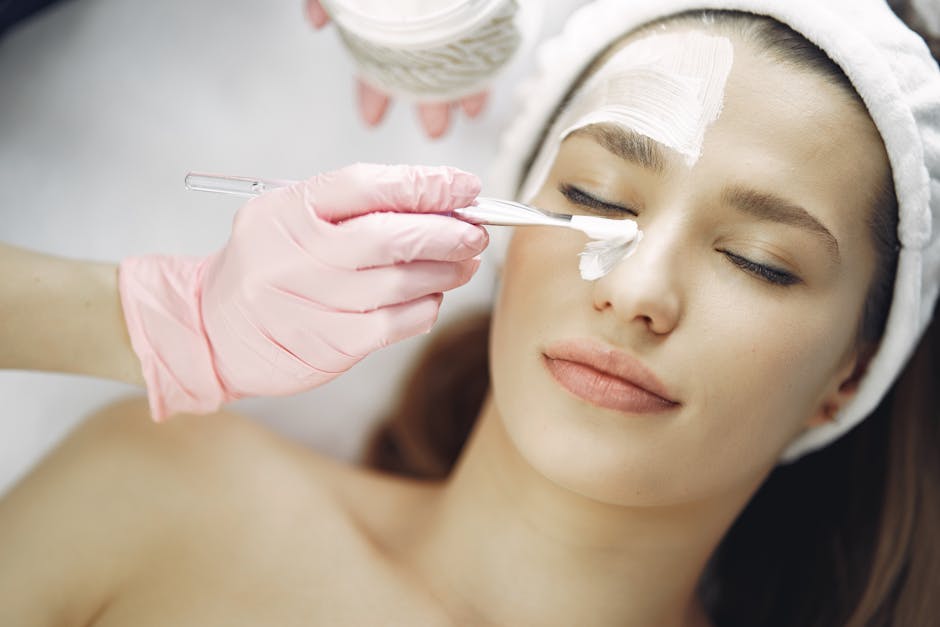
Ever feel like you’re just throwing products at your face, hoping something sticks? You’re not alone. Many people buy what’s popular or what a friend recommends, only to find their skin either doesn’t improve or, worse, breaks out. Building an effective facial routine kit means understanding your skin and selecting products that work together. This guide cuts through the noise. Here’s exactly how to construct a routine that delivers visible results.
Why Your Current Routine Isn’t Working (And How to Fix It)
The truth is, most skincare woes stem from using the wrong products for your skin type, or applying them incorrectly. You might be layering heavy creams on oily skin, or stripping dry skin with harsh cleansers. This creates an imbalance. Your skin’s barrier gets compromised, leading to issues like acne, redness, or excessive dryness. A mismatched routine isn’t just ineffective; it can actively harm your skin over time. The key is to start with a clear understanding of your skin’s needs, then choose products that support those needs rather than fighting them.
You need to stop guessing and start strategizing. Think of your routine like building a house: you wouldn’t start with the roof. Skincare has an order, and specific ingredients solve specific problems. Trying to treat acne, sensitivity, and dryness all at once with random products usually makes everything worse. Focus on one primary concern, build a solid foundation, then introduce targeted treatments.
Identifying Your Skin Type
Before buying anything, figure out your skin type. This is step one. Forget what influencers use; focus on what your face tells you.
- Oily Skin: Often shiny all over, large pores, prone to blackheads and breakouts.
- Dry Skin: Feels tight, often flaky or rough, small pores, dull appearance.
- Combination Skin: Oily in the T-zone (forehead, nose, chin), dry or normal elsewhere.
- Normal Skin: Balanced, rarely oily or dry, few breakouts, minimal sensitivity.
- Sensitive Skin: Prone to redness, itching, burning, or breakouts easily with new products.
Perform a simple test: wash your face, pat it dry, and wait 30 minutes without applying any products. Observe how your skin feels and looks. This gives you an accurate snapshot.
Common Routine Mistakes to Avoid
Many people make simple, fixable errors. Avoid these:
- Over-cleansing: Washing your face too often or with harsh cleansers strips natural oils, leading to more oil production or dryness. Stick to twice a day maximum.
- Skipping SPF: Sunscreen is non-negotiable, even indoors or on cloudy days. UV damage is the primary cause of premature aging and skin cancer.
- Ignoring product order: Lighter textures go before heavier ones. Water-based serums before oil-based ones. This ensures proper absorption.
- Using too many actives: Combining multiple strong ingredients (like two different acids or a retinol with a vitamin C serum) can cause irritation and damage the skin barrier. Introduce one active at a time.
- Not patch testing: Always test new products on a small, inconspicuous area (like behind your ear or on your inner arm) for a few days before applying it all over your face.
Building Your Core Daily Facial Kit: The Essentials

A solid daily routine needs five core components. Don’t overcomplicate it. Start here, then add specific treatments later. For each step, I’ll recommend product types and give examples of reliable, accessible brands with typical price ranges. Remember, prices are approximate and can vary.
- Cleanser ($10-$25): The goal is to remove dirt, oil, and makeup without stripping your skin.
- Toner ($15-$35): Not the astringent toners of the past. Modern toners hydrate, balance pH, or deliver light active ingredients.
- Serum ($15-$50): This is where you target specific concerns. Serums have concentrated active ingredients.
- Moisturizer ($15-$40): Crucial for hydration and strengthening the skin barrier.
- Sunscreen ($15-$35): Your daily shield against UV damage.
Cleansers: Picking the Right One
Your cleanser sets the stage. Choose based on your skin type:
- For Oily/Acne-Prone Skin: Look for gel or foam cleansers. Ingredients like salicylic acid (BHA) can be beneficial. Try something like CeraVe Renewing SA Cleanser (around $15) or La Roche-Posay Effaclar Purifying Foaming Gel Cleanser (around $20).
- For Dry/Sensitive Skin: Creamy, hydrating, or oil cleansers are best. Avoid harsh sulfates. Vanicream Gentle Facial Cleanser (around $13) or Kiehl’s Ultra Facial Cleanser (around $25) are excellent choices.
- For Normal/Combination Skin: A gentle foam or gel works well. Paula’s Choice RESIST Perfectly Balanced Foaming Cleanser (around $20) offers a good balance.
Tip: Double cleansing can be beneficial if you wear heavy makeup or sunscreen. Start with an oil-based cleanser (like Kose Softymo Speedy Cleansing Oil, around $12) to break down makeup, then follow with your regular water-based cleanser.
Serums: Targeted for Your Concerns
This is where you address specific issues. You don’t need many, pick one or two for your primary concerns.
- Hydration: Hyaluronic Acid serums attract and hold moisture. The Ordinary Hyaluronic Acid 2% + B5 (around $8) is a budget-friendly powerhouse.
- Brightening/Even Tone: Vitamin C (like Mad Hippie Vitamin C Serum, around $30) or Niacinamide (like Paula’s Choice 10% Niacinamide Booster, around $45) help with dark spots and overall radiance.
- Acne/Congestion: Serums with Salicylic Acid (BHA) or AHAs like Glycolic or Lactic acid. COSRX BHA Blackhead Power Liquid (around $20) is effective for blackheads.
- Anti-Aging: Retinoids (retinol, retinal) are gold standard. Start with a low percentage, like CeraVe Resurfacing Retinol Serum (around $18) a few times a week, gradually increasing use.
Apply serums to damp skin after toning, before moisturizer. This helps with absorption.
Advanced Treatments and Tools: When and What to Add
Once your core routine is solid, you can think about adding weekly treatments or simple tools. These aren’t daily essentials but can boost results significantly. Introduce new items one at a time and gauge your skin’s reaction.
Think of these as boosters, not replacements for your daily essentials. Overdoing it with advanced treatments can irritate your skin, so less is often more. Pay attention to how your skin responds. If you notice redness, burning, or excessive dryness, scale back or stop using the product. A healthy skin barrier is always the priority. Also, remember that consistency with your core routine always trumps sporadic use of advanced treatments.
Chemical vs. Physical Exfoliants
Exfoliation removes dead skin cells, revealing brighter, smoother skin. Don’t overdo it – 1-3 times a week is usually sufficient.
- Chemical Exfoliants (AHAs/BHAs): These use acids to dissolve the bonds between dead skin cells. They are often gentler than physical scrubs and can penetrate deeper.
- AHAs (Alpha Hydroxy Acids) like Glycolic Acid (e.g., The Ordinary Glycolic Acid 7% Toning Solution, around $10) are good for surface texture, fine lines, and sun damage. Best for dry to normal skin.
- BHAs (Beta Hydroxy Acids) like Salicylic Acid (e.g., Paula’s Choice 2% BHA Liquid Exfoliant, around $32) penetrate oil, making them ideal for oily, combination, and acne-prone skin.
- Physical Exfoliants (Scrubs): These use small particles to manually buff away dead skin. Be cautious. Many scrubs are too harsh and can cause micro-tears. If you use one, choose finely milled particles and apply with a very light hand. Avoid anything with large, irregular particles (like crushed walnut shells). A gentle option is Fresh Sugar Strawberry Exfoliating Face Wash (around $35), which uses sugar crystals that dissolve.
Recommendation: For most people, a well-formulated chemical exfoliant 2-3 times a week is more effective and safer than a physical scrub.
Tools Worth Considering (and Prices)
Facial tools can enhance circulation and product absorption, but they are not magic bullets. Use them sparingly and ensure they are clean.
- Gua Sha Stone or Facial Roller ($15-$40): These tools, often made of jade or rose quartz, are used to massage the face. They can help with lymphatic drainage, reduce puffiness, and improve circulation. They don’t fundamentally change your skin, but they can be a relaxing addition. Brands like Mount Lai (around $30 for a gua sha) or Herbivore Botanicals (around $28 for a jade roller) are popular.
- Facial Steamer ($40-$80): A home facial steamer can help open pores, making cleansing more effective and preparing skin for masks. It also feels luxurious. Look for models from brands like NanoSteamer (around $50). Use sparingly, 1-2 times a week max, and follow with a mask or serum.
- Microcurrent Devices ($200-$500+): Devices like NuFace Mini (around $200) use low-level electrical current to stimulate facial muscles. Users report improved facial contour and firmness over time. These are an investment and require consistent use.
For most, a simple gua sha or roller is a good starting point for incorporating tools. Microcurrent devices are for those ready for a bigger commitment.
Smart Product Selection: A Quick Comparison Guide
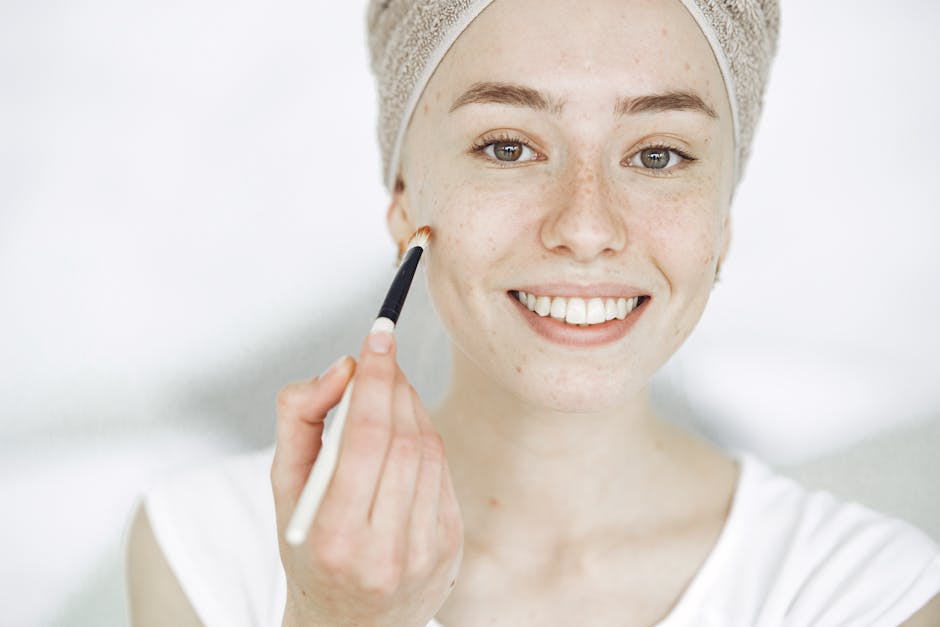
Choosing between similar products can be tricky. This table highlights key differences to help you make informed decisions based on your skin’s specific needs.
| Product Category | Option 1 (Typical Use Case) | Option 2 (Typical Use Case) | Key Differences & Recommendation |
|---|---|---|---|
| Cleanser Formula | Gel/Foam Cleanser (Oily/Acne-Prone) | Cream/Oil Cleanser (Dry/Sensitive) | Gels/Foams deep clean and remove excess oil. Creams/Oils are hydrating and gentle. Choose based on oiliness. |
| Exfoliant Type | AHA (Glycolic Acid) (Texture, hyperpigmentation) | BHA (Salicylic Acid) (Acne, blackheads, oil control) | AHAs work on the surface for brightness. BHAs penetrate pores for congestion. Match to your primary concern. |
| Moisturizer Texture | Gel/Lotion (Oily/Combination) | Cream/Balm (Dry/Mature/Barrier Support) | Lighter textures absorb quickly without heaviness. Richer textures provide intense hydration and barrier protection. |
| SPF Type | Chemical Sunscreen (Absorbs UV, no white cast) | Mineral Sunscreen (Reflects UV, sensitive skin) | Chemicals blend easily but can irritate sensitive skin. Minerals are gentle but may leave a slight cast. Try both for comfort. |
Cleanser Formulas: Gel vs. Cream
When selecting your core cleanser, the formula is . A gel or foaming cleanser contains surfactants that effectively lift oil and impurities. They typically leave your skin feeling very clean, which is ideal for those with active oil glands or frequent breakouts. However, this sensation can be too stripping for drier skin types, leading to tightness or irritation. Brands like Neutrogena Hydro Boost Hydrating Gel Cleanser (around $10) are good for normal to oily skin.
Cream or oil cleansers, on the other hand, are designed to be much gentler. They often contain nourishing ingredients and less aggressive surfactants, making them perfect for dry, sensitive, or mature skin. They cleanse without removing essential moisture, leaving the skin feeling soft and supple. Examples include Fresh Soy Face Cleanser (around $38) or La Roche-Posay Toleriane Hydrating Gentle Cleanser (around $16). For removing heavy makeup, an oil cleanser is superior, often followed by a gentle cream cleanser for a truly clean, yet hydrated, feel.
Moisturizer Types: Humectant vs. Occlusive
Moisturizers come in a wide range, but understanding their primary function helps. Many combine elements, but they lean towards either drawing in moisture (humectant-rich) or sealing it in (occlusive-rich).
- Humectant-heavy moisturizers: These contain ingredients like hyaluronic acid, glycerin, and urea. They draw moisture from the air and deeper layers of the skin to the surface, providing light, refreshing hydration. They are often found in gel or light lotion textures, suitable for oily, combination, or summer use. COSRX Advanced Snail 92 All in One Cream (around $26) is a good example, despite its name, it’s a light humectant-rich cream.
- Occlusive-heavy moisturizers: These form a protective barrier on the skin’s surface, preventing transepidermal water loss. Ingredients include petrolatum, mineral oil, lanolin, and silicones. They are typically thicker creams or balms, ideal for very dry, compromised, or mature skin, especially in colder climates. CeraVe Moisturizing Cream (around $18) is a classic example that balances occlusives with ceramides to repair the skin barrier.
For most, a moisturizer that balances both humectants and occlusives is ideal. For example, a moisturizer with hyaluronic acid (humectant) and ceramides (occlusive/barrier repair) offers comprehensive hydration and protection.
Your Action Plan for a Healthier Face
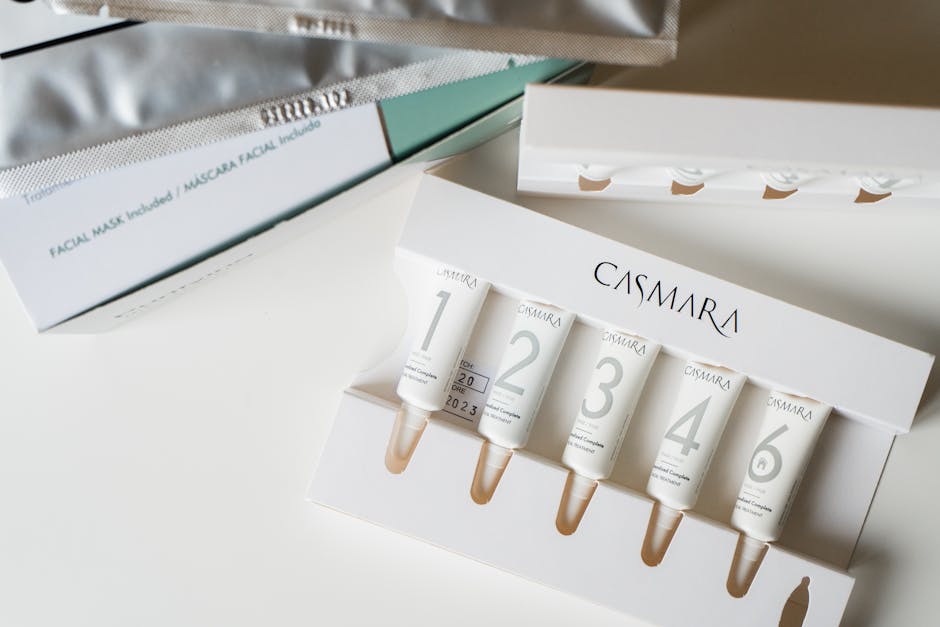
Stop overthinking. Start simple: identify your skin type, buy a gentle cleanser, a basic moisturizer, and a good SPF. Add a targeted serum next. Consistency beats complexity every single time.