Did you know that up to 90% of pregnant women experience some form of skin change? Yep, almost everyone. Before I was pregnant, my skincare routine was finely tuned. I had my retinol, my potent acids, all the good stuff. Then came the positive test, and suddenly, my carefully curated shelf looked like a minefield. The panic was real. Every product, every ingredient, felt like a potential threat. Could this cause harm? Was that safe? My previously clear skin started breaking out like I was 16 again, and then the dreaded melasma started to creep in. It felt like I had to choose between effective skincare and baby safety, and the internet was a confusing mess of conflicting advice.
It was a steep learning curve, but over two pregnancies, I figured out what actually works and, more importantly, what’s truly safe. I’ve stripped away the noise, ignored the marketing fluff, and landed on a routine that kept my skin in check without any worry. So, if you’re feeling overwhelmed, frustrated, or just plain lost, grab a snack. I’m telling you exactly what to ditch, what to embrace, and the specific products that got me through.
The Non-Negotiables: Ingredients to Ditch Immediately
Listen, this isn’t a drill. There are certain ingredients that, for me, were an absolute no-go. I didn’t care what some obscure forum post said; if there was even a whisper of risk, it was out. Your doctor is your primary resource, always, but this is my hard-line stance based on my research and gut.
Retinoids: Why They’re Out
This is probably the biggest one, and it’s the hardest for many to give up. Retinoids are Vitamin A derivatives, things like retinol, tretinoin, adapalene, tazarotene, and isotretinoin (Accutane). They’re fantastic for anti-aging, acne, and texture, but in pregnancy, they are a hard stop. There’s a known risk of birth defects with oral retinoids, and while topical absorption is lower, the potential for harm is still there. Why even take that chance?
Don’t even think about a retinol serum like The Ordinary’s Granactive Retinoid 2% Emulsion (around $11.70). Just put it away for nine months, or longer if you’re breastfeeding. It’s simply not worth the anxiety. Your skin will survive without it, I promise. Focus on other things.
Salicylic Acid: The Gray Area & My Hard Rule
Salicylic acid, a Beta Hydroxy Acid (BHA), is tricky. Many doctors will say small amounts are fine, especially in wash-off cleansers, because systemic absorption is minimal. However, high doses, like those in chemical peels, are a definite no. For me? I decided to avoid it on my face completely. I figured there were enough safe alternatives that I didn’t need to toe the line on this one.
So, skip anything above 2% for body acne treatments, and honestly, just avoid it on your face entirely. My stance is: if there’s a debate, choose the safe path. You’ll be fine without that Paula’s Choice 2% BHA Liquid Exfoliant ($34.00) for a while.
Other Suspects: Hydroquinone, Phthalates, Formaldehyde Releasers
Beyond the big two, there are other ingredients I flagged. Hydroquinone, a common skin lightener for hyperpigmentation, has limited safety data in pregnancy, and I kept it far away. Phthalates, often found in fragrances, are endocrine disruptors, and while not directly proven to harm pregnancy at typical cosmetic levels, I just avoided products with “fragrance” listed unless it was a known, safe natural source. Formaldehyde-releasing preservatives (like DMDM hydantoin) also made my blacklist because, again, why introduce unnecessary chemicals when your body is already doing so much?
Pregnancy-Safe Actives That Actually Work

Okay, so we’ve cleared out the bad stuff. Now for the good news: there are plenty of powerful, effective ingredients you *can* use. These were my workhorses, tackling everything from hormonal breakouts to dullness, all without a shred of guilt. These are the ingredients I leaned on heavily, and my skin thanked me for it.
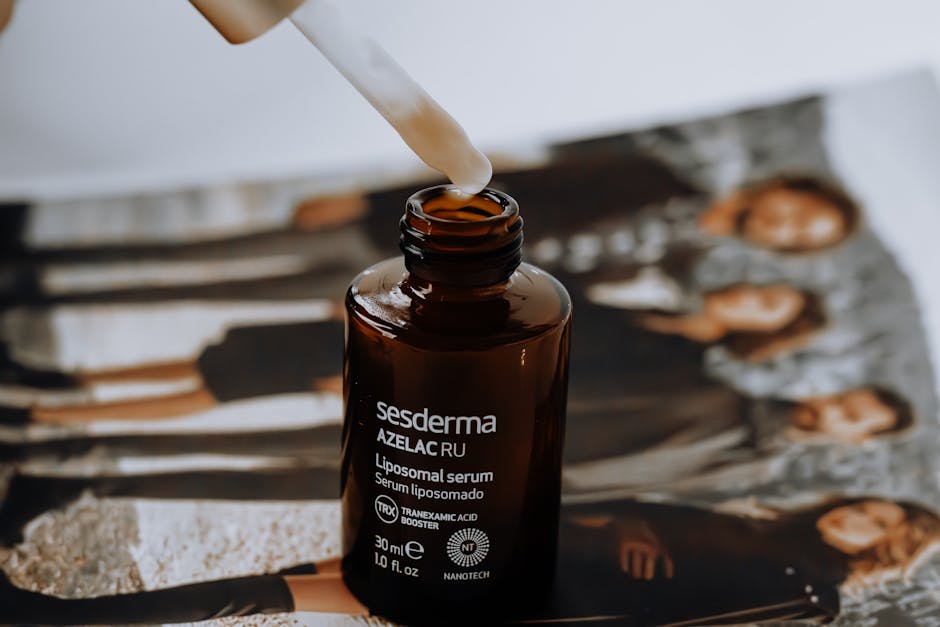
- Azelaic Acid: This is my holy grail, especially for redness, rosacea, and mild to moderate acne. It’s anti-inflammatory, antibacterial, and helps with cell turnover. Prescription strengths (like Finacea) are often prescribed by doctors, but OTC versions like The Ordinary Azelaic Acid Suspension 10% ($11.10) are fantastic. This ingredient is a Category B drug, meaning it’s generally considered very safe with low systemic absorption. Seriously, if you have any redness or texture issues, get this.
- Vitamin C: For brightening, antioxidant protection, and helping with hyperpigmentation (like melasma), Vitamin C is your friend. Look for products with L-Ascorbic Acid. It helps protect against environmental damage and can give your skin a lovely glow. I used it every morning.
- Hyaluronic Acid: Hydration, pure and simple. This humectant draws moisture into the skin, plumping it up and making it look smoother. Your skin might get drier during pregnancy, so this is essential. Everyone needs this. It’s naturally occurring in the body, so it’s a no-brainer for safety.
- Niacinamide: Also known as Vitamin B3, niacinamide is a multi-tasker. It calms inflammation, strengthens the skin barrier, reduces redness, and can even help with oil control. It plays well with almost everything and is incredibly soothing for sensitive skin.
- Glycolic Acid (AHA): Alpha Hydroxy Acids like glycolic acid offer chemical exfoliation. They’re generally considered safe in lower concentrations (under 10%) for serums or in wash-off products like cleansers. They help with dullness and mild texture issues. Just don’t go overboard with high-strength peels during pregnancy.
- Mineral Sunscreen: Zinc oxide and titanium dioxide are your best friends. These physical blockers sit on top of your skin and deflect UV rays. Unlike some chemical sunscreens, they have minimal to no systemic absorption and are considered entirely safe. This is non-negotiable every single day.
My Core Routine: Everyday Essentials
Forget the fancy 10-step routine right now. Simplify. Your skin is doing enough work growing a human; it doesn’t need a complex regimen. My approach was all about gentle, effective basics. These are the products I stuck with throughout my pregnancies, day in and day out.
Gentle Cleansing: The Foundation
During pregnancy, your skin can become more sensitive, so harsh cleansers are out. You want something that cleanses without stripping your natural oils or irritating your skin barrier. I found that anything too foamy or heavily fragranced just made things worse.
My pick is always the Vanicream Gentle Facial Cleanser ($10.99 for 8oz). It’s dermatologist-recommended, free of dyes, fragrance, parabens, and sulfates. It doesn’t foam excessively, it gets the job done, and it never leaves my skin feeling tight or dry. This is better than many “natural” cleansers that can still contain irritants like essential oils. It’s simple, effective, and crucially, boringly safe.
Hydration Powerhouse: Moisturizer
Even if you’re suddenly oily, your skin still needs hydration. A good moisturizer supports your skin barrier, which is vital for overall skin health. I needed something substantial enough to feel comforting but not so heavy it would clog my pores.
For me, it’s the La Roche-Posay Toleriane Double Repair Face Moisturizer ($22.99). It’s got niacinamide and ceramides, feels substantial without being greasy, and really helps keep my barrier intact. It’s soothing and has no problematic ingredients. If your skin is on the oilier side, something lighter like a simple gel moisturizer from Neutrogena’s Hydro Boost line (around $19.99) is also a solid choice.
Non-Negotiable SPF: Mineral Only
If there’s one product you absolutely cannot skip, it’s sunscreen. And during pregnancy, with melasma always a threat, it has to be mineral. Chemical sunscreens, while generally considered safe by many, often contain ingredients like oxybenzone which have raised some flags for potential endocrine disruption. I wasn’t willing to gamble.
Hands down, EltaMD UV Physical Broad-Spectrum SPF 41 ($33.00 for 3oz) is my top recommendation. It’s tinted, mineral, doesn’t pill under makeup, and gives a lovely matte finish. It uses zinc oxide and titanium dioxide. If you prefer something untinted or more budget-friendly, Pipette Mineral Sunscreen SPF 50 ($12.00 for 4oz) is excellent. It’s made for babies, so you know it’s gentle and uses only mineral filters. No excuses, wear your SPF every single day, rain or shine.
Tackling Pregnancy-Specific Skin Woes
Beyond the basic routine, pregnancy often brings its own set of unique skin challenges. Hormonal changes can wreak havoc, leading to issues you might never have experienced before. Here’s how I tackled some of the most common ones without reaching for anything risky.
Hormonal Acne: It’s Real, It Sucks
My breakouts went from occasional to full-on cystic around month three, especially on my chin and jawline. It was frustrating, and I missed my retinol. But I found an incredibly effective, safe alternative: azelaic acid. This ingredient became my absolute best friend.
I used The Ordinary Azelaic Acid Suspension 10% ($11.10) every single night after cleansing. It helped calm the inflammation, reduce redness, and prevent new breakouts without irritating my already sensitive skin. For stubborn spots, I’d sometimes apply a thin layer as a spot treatment during the day too. While some doctors are okay with very low-dose topical salicylic acid, I wouldn’t risk it personally. Stick with **azelaic acid**; it’s a proven winner for pregnancy acne, and it doesn’t have the same absorption concerns.
Melasma (Mask of Pregnancy): Brighten, Don’t Strip
Melasma is a beast. Those patchy brown or grayish-brown spots, often on the forehead, cheeks, and upper lip, are notoriously difficult to treat, and pregnancy hormones make you super susceptible. Prevention is key here: SPF, SPF, SPF. But once it’s there, you need to be patient and gentle.
Since hydroquinone is out, **Vitamin C** serums are your next best bet for helping to lighten existing spots and prevent new ones. I swear by the Timeless 20% Vitamin C + E Ferulic Acid Serum ($26.95). I applied it every morning after cleansing and before moisturizer and SPF. The combination of Vitamin C and SPF works synergistically to protect your skin and gently fade pigmentation over time. Don’t expect instant results, but consistency pays off. You’re layering protection and gentle brightening, not stripping your skin.
Dry, Itchy Skin & Stretch Marks: Proactive Moisture
As your body grows, your skin stretches, leading to dryness, itchiness, and yes, stretch marks. Let’s be real: expensive “stretch mark creams” are mostly marketing hype. While you can’t entirely prevent stretch marks (genetics play a huge role), you can keep your skin supple and minimize discomfort through consistent, heavy-duty hydration.
For my body, I swore by Palmer’s Cocoa Butter Formula Massage Lotion ($6.99 for 8.5oz). I slathered it on my belly, thighs, and breasts twice daily, every single day from the second trimester. The key is consistency and massage, not the specific ingredients of a miracle cream. Pure shea butter (like from the brand SheaMoisture, around $9.00) was also fantastic for extra dry, itchy patches or for adding an occlusive layer at night. The goal is to keep your skin hydrated and elastic, which helps with the itching and potentially makes any stretch marks that do appear less severe.
My Verdict on “Natural” & “Clean” Brands
Look, ‘natural’ doesn’t automatically mean safe, especially in pregnancy. This is where you need to be really discerning. Focus on scientific backing and ingredient lists, not just marketing buzzwords. Many ‘clean’ brands still use essential oils, which can be irritants or even problematic in pregnancy, and they’re often not as well-researched for safety as standard cosmetic ingredients.
Common Pregnancy Skincare Questions Answered
The amount of misinformation out there is staggering. Here are some of the most common questions I had, or heard, and my take on them.
Can I still get facials?
Yes, absolutely! But you MUST tell your aesthetician you’re pregnant beforehand. This is crucial because many standard facial treatments are off-limits. No strong chemical peels (like high-percentage glycolic or salicylic acid peels), no microdermabrasion, and no high-frequency treatments. Stick to hydrating, gentle facials with mild enzymes, extractions (if needed), and plenty of soothing masks. Communicate clearly, and they can tailor a safe experience for you.
What about hair removal creams?
Hair removal creams, or depilatories, generally contain chemicals that break down hair. They’re considered mostly safe for topical use during pregnancy, as absorption into the bloodstream is thought to be minimal. However, your skin might be more sensitive than usual, making you more prone to irritation or allergic reactions. My advice? Patch test first on a small area of skin. Personally, I just stuck to shaving. Less worry, less mess.
Are essential oils safe?
This is a big one, and my answer is a resounding NO for most of them. Many essential oils are known uterine stimulants or can have other adverse effects. Some, like clary sage or jasmine, are even used to induce labor. Lavender oil might seem harmless and relaxing, but why risk it when your body is in such a delicate state? The concentrations in many products, even “natural” ones, can be quite high. Just avoid them entirely in your skincare and avoid diffusing them regularly too. It’s not worth the unknown risks.
My skin is suddenly oily/dry. What gives?
Hormones, my friend. They’re a rollercoaster during pregnancy, and your skin is often the first place they show up. Estrogen and progesterone fluctuations can amp up oil production, leading to breakouts, or conversely, make your skin incredibly dry and flaky. My advice is to re-evaluate your routine based on your current skin needs. If you’re suddenly oily, switch to lighter, gel-based moisturizers. If dry, layer hydrating serums like hyaluronic acid under your main moisturizer. Don’t fight your skin; adapt your routine to support it.
Pregnancy Skincare: Safe vs. Risky Actives
This table pretty much sums up my entire approach. When in doubt, err on the side of caution. Your doctor is always your primary source, but this is what I lived by. Knowing what to actively avoid, and what you can safely embrace, takes away so much of the stress.
| Active Ingredient | Pregnancy Safety | My Verdict (Experienced User) | Why |
|---|---|---|---|
| Retinoids (Retinol, Tretinoin, etc.) | UNSAFE | Absolutely NOT. Ditch them. | Known teratogens, high systemic absorption risk. |
| Salicylic Acid (BHA) | CAUTION | Avoid facial products. Minimal use on body if absolutely necessary. | High concentrations (body peels) are risky. Low-dose facial products might be okay, but I wouldn’t. |
| Hydroquinone | UNSAFE | Skip it entirely. | Limited data, potential systemic absorption. Safer alternatives exist for melasma. |
| Benzoyl Peroxide | CAUTION | Use sparingly, low concentration (<5%). Consult doctor first. | Moderate systemic absorption. Some doctors allow it, but I preferred azelaic acid. |
| Glycolic/Lactic Acid (AHA) | SAFE | Go for it, lower concentrations. | Alpha Hydroxy Acids are generally safe. Stick to under 10% for serums, wash-offs are fine. |
| Azelaic Acid | SAFE | My top pick for acne/redness. | Category B. Very low systemic absorption, highly effective. |
| Vitamin C | SAFE | Essential for brightening. | Antioxidant, helps with hyperpigmentation, safe to use daily. |
| Hyaluronic Acid | SAFE | Hydration hero. | Naturally occurring in the skin, no known risks. |
| Niacinamide | SAFE | Multi-tasker, skin barrier support. | Vitamin B3, calms skin, reduces inflammation, safe. |
| Mineral Sunscreen (Zinc Oxide, Titanium Dioxide) | SAFE | The ONLY SPF choice. | Physical blockers, minimal absorption, no endocrine disruption concerns. |
| Chemical Sunscreen | CAUTION | I avoid it. Stick to mineral. | Some ingredients (Oxybenzone) have potential endocrine disruption concerns, though data is debated. |
Understanding these categories helped me make informed decisions, and hopefully, it helps you too. It’s about being proactive and choosing peace of mind.
Navigating pregnancy skincare can feel like a minefield, but it’s also a chance to truly understand what your skin needs. Post-pregnancy, you might even find yourself sticking to some of these safer, simpler swaps. It’s not just about the nine months; it’s about building habits that serve your skin, and your body, for the long haul. Your skin will thank you, and so will your peace of mind.